Communication & Connection in Agriculture
Day 1: The Power of Story — Connecting, Communicating, and Leading (August 11, 2026)
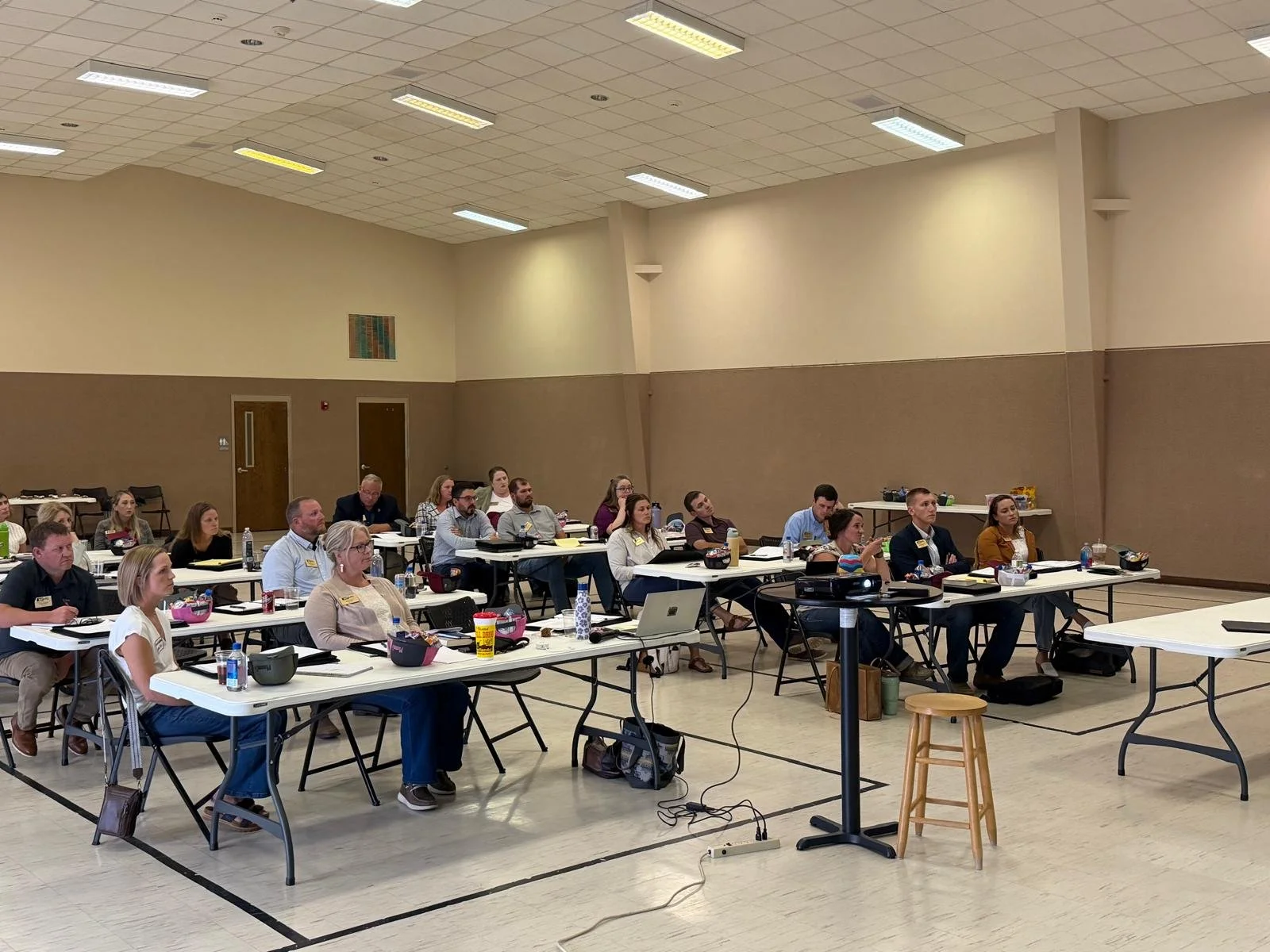
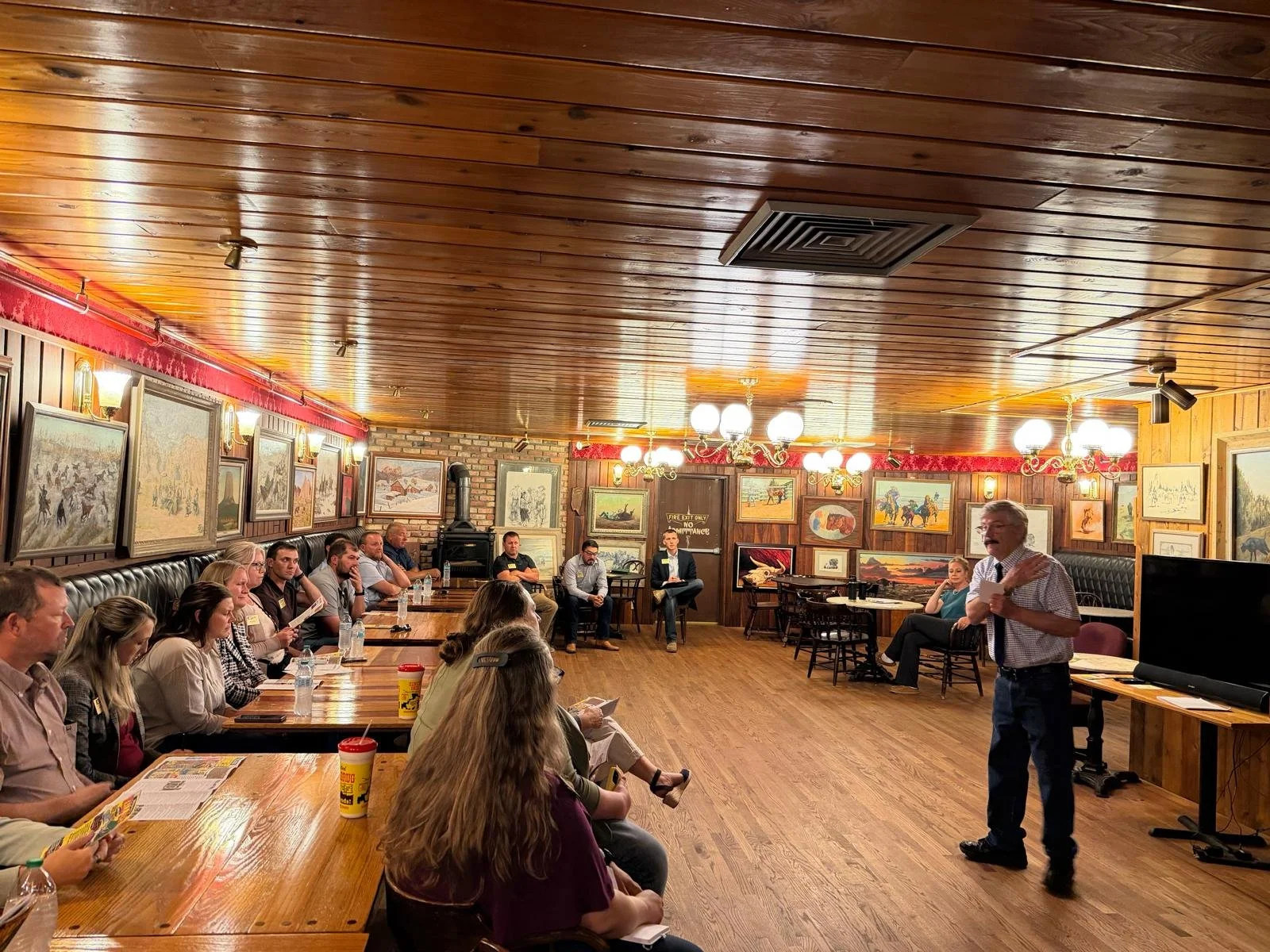
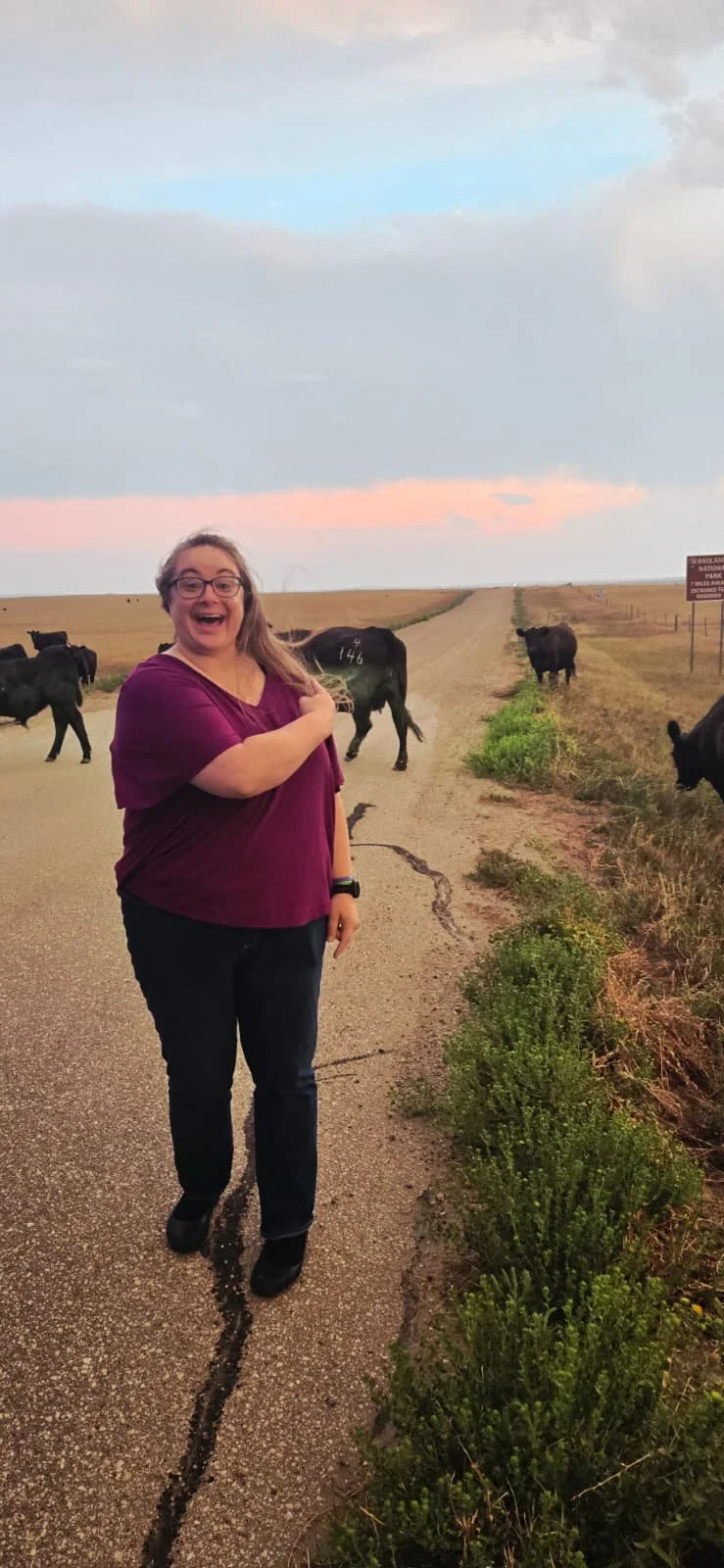
A common thread quickly emerged throughout Day 1: stories hold power. They shape how we understand people, organizations, communities, and industries. They can build trust and connection, but when we rely on only one version of a story, they can just as easily create assumptions and division. From communicating agriculture’s story to managing employees from across the world, today reinforced that effective leadership requires us to be intentional not only about the stories we tell, but also about the stories we are willing to receive.
Our discussion around The Danger of a Single Story provided an important foundation for the day. We naturally gravitate toward information and experiences that reinforce what we already know. The danger comes when one story becomes the only story we know about a person, place, organization, or issue. As discussed, stereotypes are not always entirely untrue; the greater problem is that they are incomplete. When the same narrative is repeated often enough, it begins to define how we perceive something, even when there is much more to the story.
Ken Charfauros and the the team at Wall Meat Processing offered a practical example of what can happen when someone chooses to rewrite the story of what is possible in a rural community. What began as a custom processing operation has progressed through state certification, Cooperative Interstate Shipment participation, and ultimately USDA inspection. Their ability to quality grade beef creates additional value for producers, while their partnerships with 22 schools extend their impact beyond the processing floor. Perhaps most significant is that their investment helped preserve not only a processing business but also a restaurant that otherwise may have closed.
The afternoon shifted from understanding the power of stories to developing the skills necessary to tell them effectively. Lori Cope, past SDARL Executive Director, encouraged us to put aside the fear associated with public speaking and instead lean into authenticity. Her advice to “build with the end in mind” was repeated in different forms throughout the day. Whether preparing a speech, telling a personal story, or participating in a media interview, communication should begin by asking: What do I want people to walk away remembering? From there, the message can be intentionally constructed rather than overcomplicated.
Jennifer Henrie (Class IX), SDARL Program Director, expanded on that idea by challenging us to recognize the stories already present in our everyday lives. Drawing from Matthew Dicks’ Storyworthy, she emphasized finding the “five-second moment”—the small, often sudden moment when something changes. A compelling story does not necessarily require a dramatic event. It requires vulnerability, change, and enough detail for the audience to create a movie in their mind. Most importantly, “everyone has a story worth telling.”
Dani Herring (Class XII) demonstrated those principles through her own storytelling. Her story about her friend Carol carried a broader leadership lesson about surrounding ourselves with people willing to push us outside our comfort zones. Her delivery also reinforced that strong communication is not accidental. Word choice, movement, pacing, preparation, and knowing the ending before beginning all influence whether an audience simply hears a message or actually connects with it.
Anna Whetham, Monument Health Manager of Community Engagement and Government Affairs, then connected storytelling directly to organizational leadership and media relations with a simple but powerful statement: “Every conversation shapes trust.” Perhaps her most impactful observation was, “Some people never deal with your organization, but they deal with you, so to them you are the organization.”
Wall Drug provided perhaps the clearest example of these communication principles operating at scale. The business itself exists in large part because of a story told well. Dorothy Hustead's idea to advertise free ice water to travelers coming out of the Badlands helped transform a struggling small-town drug store into a business that would eventually grow from roughly 4,000 square feet to 76,000 square feet under the next generation. Yet despite its growth, Rick Hustead described the company's number-one priority in remarkably simple terms: be sincerely friendly with customers.
Today, that philosophy must extend across a remarkably diverse workforce. Wall Drug relies on approximately 100 international seasonal workers representing 13–18 countries through J-1 and H-2B visa programs. Managing that workforce requires more than filling positions; it requires recognizing cultural differences and intentionally creating belonging. Providing housing, transportation for monthly shopping trips, and employee gatherings may appear to be operational details, but collectively they communicate something larger about how an organization values its people. This year, despite a 25% visa denial rate that left the business operating with approximately 15 fewer employees than normal, Wall Drug experienced its highest number of returning international workers, with roughly 40 returning.
Ultimately, Day 1 demonstrated that communication is much more than public speaking. It is the intersection of listening, storytelling, trust, and leadership. The same principles applied whether discussing agriculture, building a rural business, answering a difficult media question, managing an international workforce, or sharing a personal experience with classmates.
Agriculture often focuses heavily on facts, data, and results, and those things remain critically important. But people do not make decisions based on information alone. They interpret information through their experiences, emotions, relationships, and the stories they already believe. Our responsibility as agricultural and rural leaders is therefore twofold: tell our stories well enough that people want to listen, and listen well enough that we understand the stories influencing them. If we can do both, we become more effective communicators. More importantly, we become better leaders.
Day 2: Building Strong Communities by Honoring the Past and Investing in the Future (August 12, 2026)
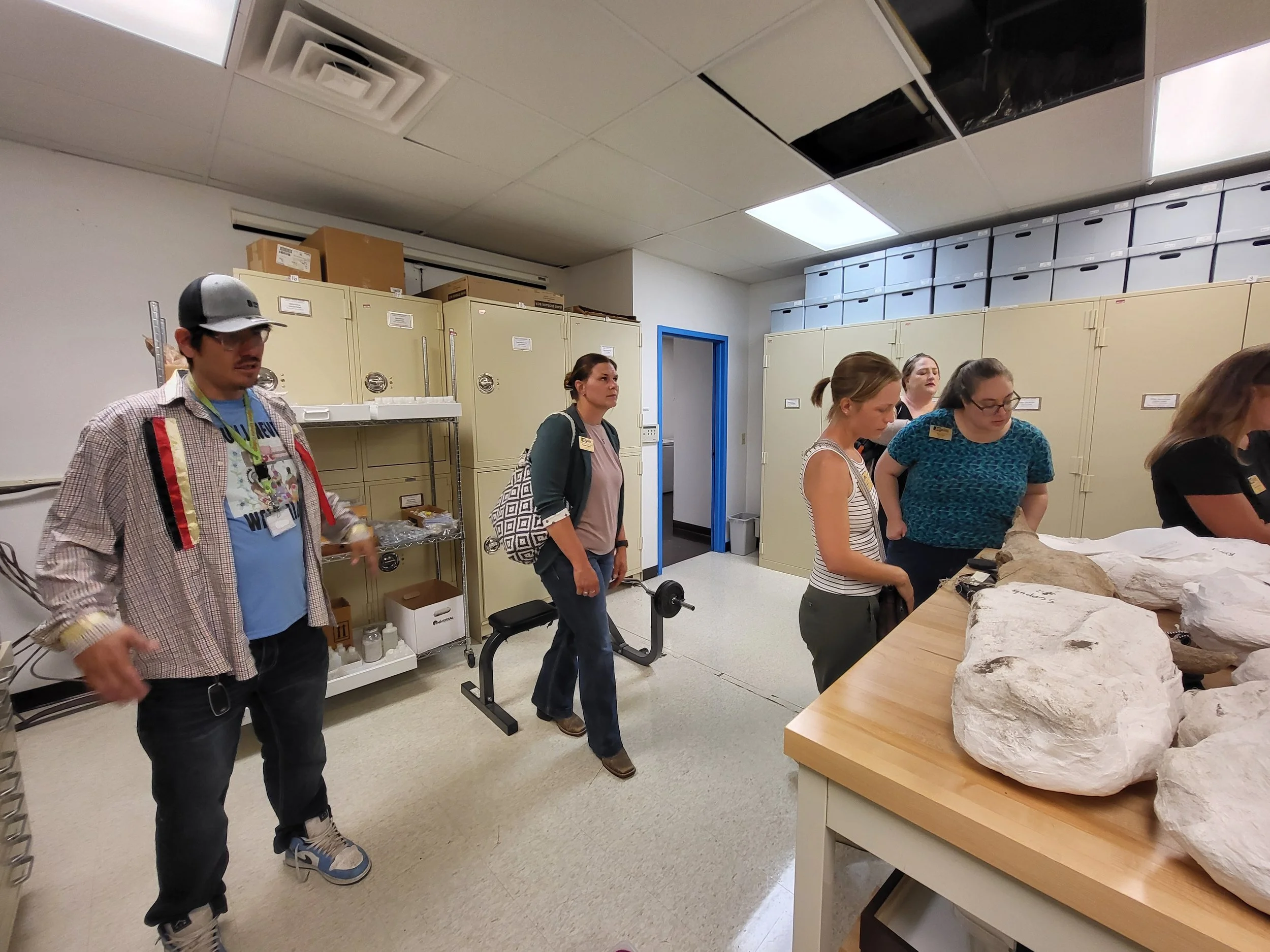
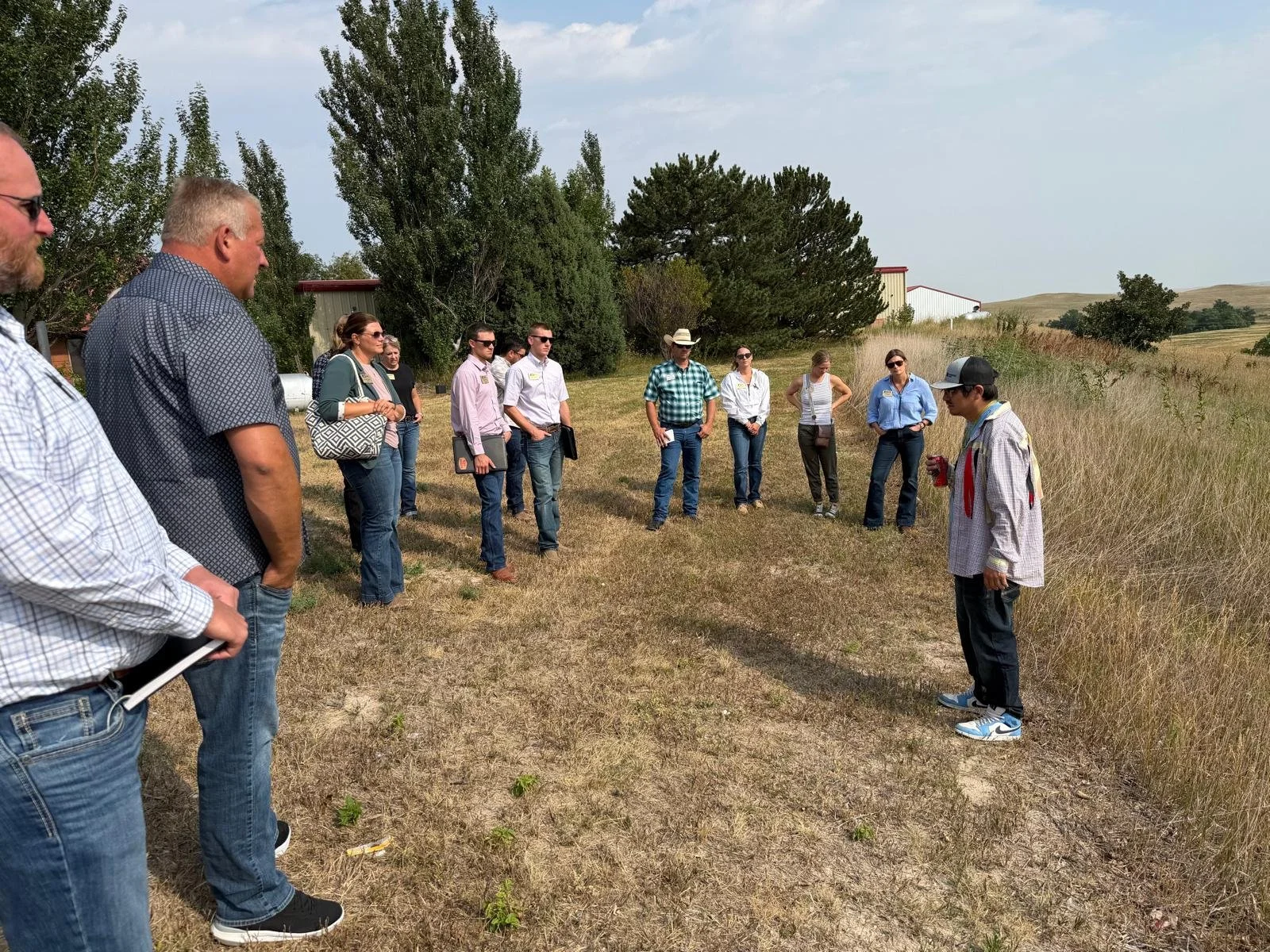
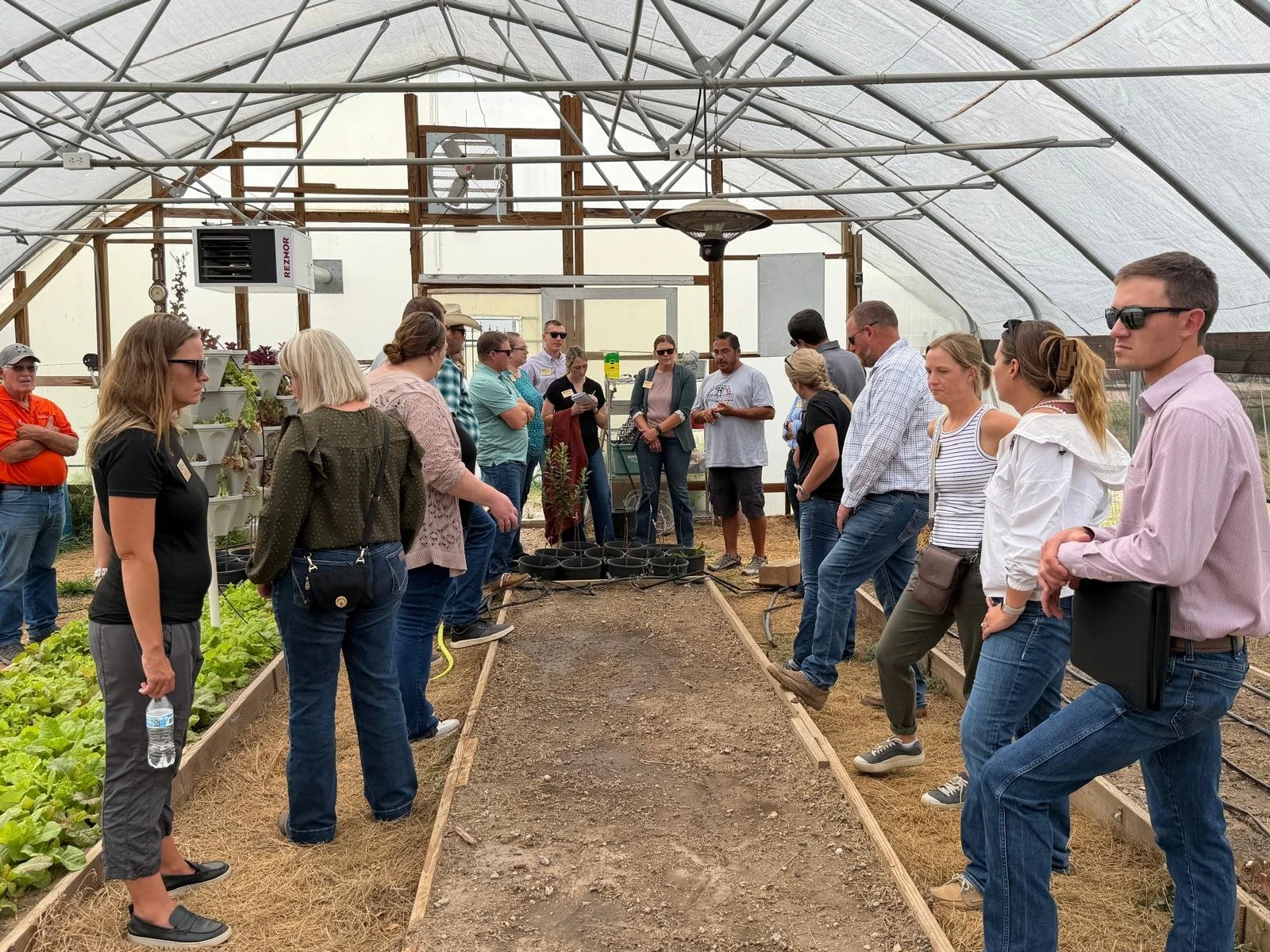

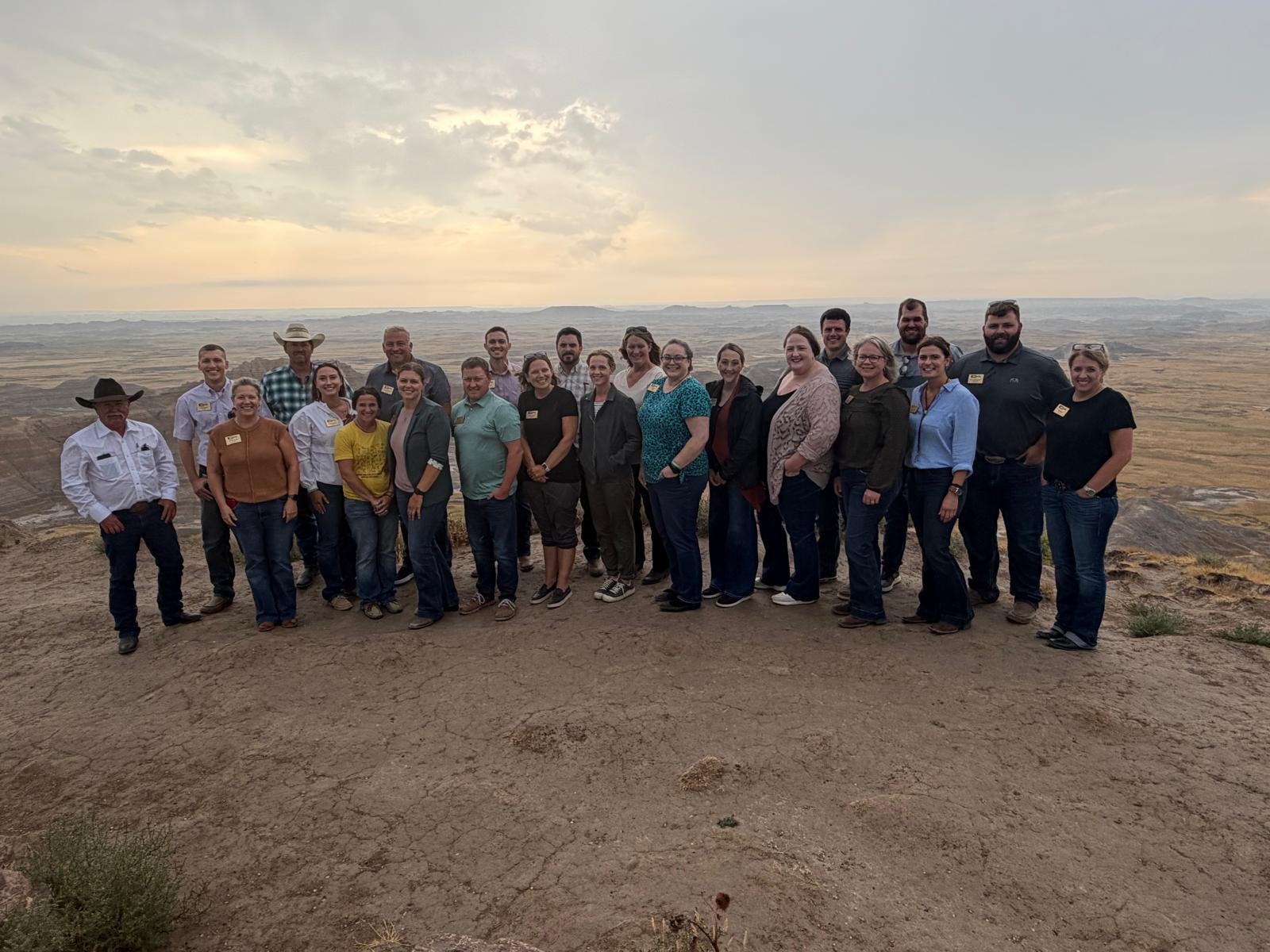
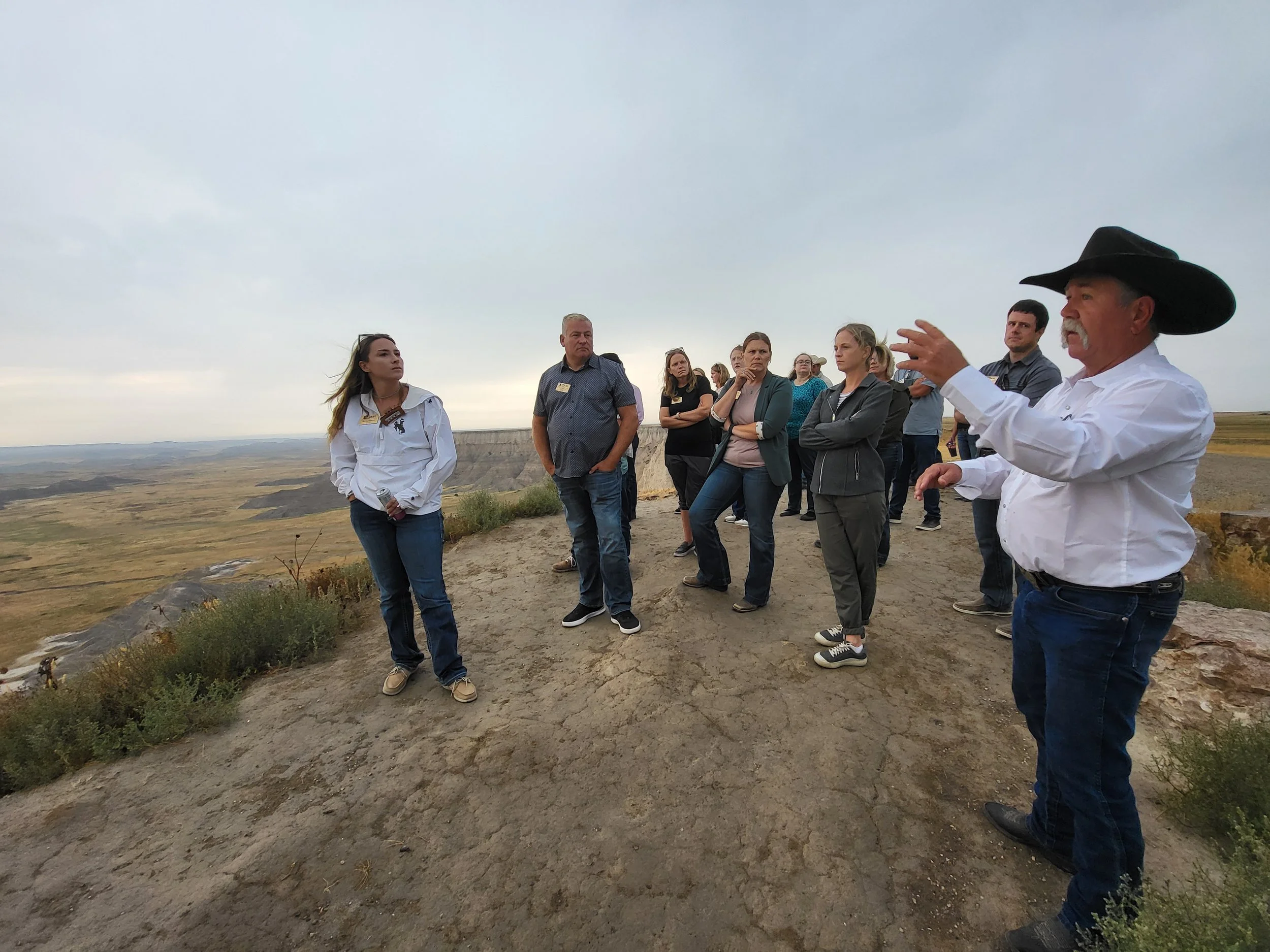
Day 2 challenged Class XIII to think about what it truly means to develop a community. Across agriculture, education, food sovereignty, cultural preservation, land stewardship, and leadership at the Pine Ridge Reservation, a consistent message emerged: strong communities are not built by simply providing solutions for people; they are built by giving people the knowledge, resources, confidence, and opportunity to create solutions for themselves.
Our experiences also demonstrated the importance of understanding history without allowing history to become the only story that defines a community. This connected directly to yesterday’s conversation about the “danger of a single story.” Throughout the day, we were reminded that the history of the Oglala Lakota people cannot be ignored, but neither should hardship be the only narrative used to describe the people and communities of Pine Ridge. We saw organizations intentionally working to preserve culture while simultaneously embracing education, technology, entrepreneurship, and innovation to create opportunities for future generations.
Matthew Janis, Agriculture Extension Director at Oglala Lakota College (OLC), provided an early example of this balance. As part of the land-grant system, OLC operates around the same three pillars: education, research, and extension. The way those pillars are delivered must reflect the people and communities the college serves.
One of Matthew’s comments captured much of the day's theme: there is a difference between wisdom and knowledge. His challenge is to find ways to bridge “old school” teachings with modern agriculture and technology without diminishing either. Progress does not have to mean replacing traditional knowledge. Instead, innovation can occur when we understand what has worked historically and determine how new tools can strengthen it.
The concept of building independence rather than dependence became even more tangible at the Oyate Teca Project. What began as a garden program in 2010 has evolved into something much larger, connecting food production, education, youth development, health, and economic opportunity.
Garden Manager Doug Pourier described his ultimate goal in a way that initially sounds counterintuitive: he wants to work himself out of a job. His measure of success is not how many people continuously depend on the community garden for food, but how many people gain the knowledge and confidence to grow food themselves. Through gardening classes and assistance establishing home gardens, the program has already helped more than 300 families begin growing their own food.
Perhaps most impressive was the amount of data behind the operation. They measure what is harvested, sold, wasted, and composted. That combination of traditional food knowledge, practical experience, and measurable data is another example of the balance between wisdom and knowledge Matthew described earlier in the day. The program is continuing to think bigger, with plans that include an approximately 8,000-square-foot grocery store, a cooperative, potential seed bank and orchard, and eventually even a hotel. Yet the foundation remains remarkably simple: teach people how to provide for themselves and build community around that knowledge.
Thunder Valley Community Development Corporation carried many of these same principles into regenerative agriculture and land stewardship. Their demonstration farm seeks to bridge modern agricultural practices with sustainable, regenerative, and Indigenous systems. Again, the objective is not simply to produce food. It is to give people the tools they need to succeed.
Thunder Valley's bison restoration project provided one of the strongest examples of how agriculture, culture, environmental stewardship, and economic development can intersect. The organization has secured a 25-year lease on approximately 40,000 acres with the potential to eventually support a herd of up to 392 bison. What makes the project particularly meaningful is that the bison are not viewed simply as livestock. Brandon Big Eagle explained the deep cultural relationship between the Lakota people and bison and the belief that they should be treated as relatives. That cultural perspective will influence management decisions, including plans to utilize low-stress handling practices influenced by Temple Grandin. The herd is also intended to create opportunities for cultural education and traditional ceremonies.
Once again, we saw that modern agricultural management and cultural tradition do not have to exist in opposition to one another. Grazing plans, regenerative land management, fencing infrastructure, animal handling science, and cultural teachings can all exist within the same system. That perspective became especially meaningful as the class reflected at Wounded Knee. There is no denying the tragedy that occurred there or the historical mistreatment of the Lakota people. Understanding that history is necessary. At the same time, a local perspective shared with our class was particularly impactful: “The past is the past. We need to focus on now and treat each other as equals.”
The comment generated reflection among the class, particularly around the fear people sometimes have of saying the wrong thing or unintentionally being offensive when interacting with cultures different from their own. The conclusion was remarkably straightforward: at the end of the day, people are people. Respect does not require pretending differences or history do not exist. It requires being willing to learn, ask questions, listen, and approach one another as equals.
This again connected directly to the previous day's discussion about the danger of a single story. Wounded Knee is an important part of the Oglala Lakota story, but it is not the entirety of their story. Today we also saw scientists conducting genomic research, educators building future leaders, gardeners teaching hundreds of families to produce food, organizations restoring thousands of acres, entrepreneurs developing new economic opportunities, and community leaders actively reclaiming language, culture, health, and pride. Understanding the past is important, but we should be equally willing to see the work happening in the present and the vision being created for the future.
Our final professional discussion of the day provided yet another perspective on land stewardship and agricultural leadership. SDARL Class V alumnus Frank Bloom shared insight into operating cattle on federal grazing allotments. His operation utilizes thousands of acres across National Grasslands and BLM allotments, demonstrating both the opportunities and complexities that exist when private agricultural production intersects with publicly managed land.
Frank also provided a fitting conclusion to a day centered on leadership and community. Reflecting on his experience in SDARL, he described the network as one of the program's greatest benefits, saying he can travel nearly anywhere in South Dakota and never worry about finding a place to stay. More importantly, SDARL encouraged him to step into leadership positions with organizations such as the South Dakota Public Lands Council, Stockgrowers Association, and his local volunteer fire department. Yet after discussing decades of ranching and community leadership, his most important advice was also the simplest: family first.
Ultimately, Day 2 demonstrated that sustainable community development is not one program, one organization, or one solution. It is a system. Education connects to agriculture. Agriculture connects to food and health. Food connects to culture. Culture connects to identity. Land stewardship connects to economic opportunity. And all of those depend on leadership.
Perhaps the strongest lesson was that the best leaders are not trying to make themselves indispensable. They are building people and systems capable of succeeding without them. Matthew wants to create leaders who stand beside him rather than followers who stand behind him. Doug wants to teach enough people to grow their own food that he eventually works himself out of a job. Brandon wants to provide tools that allow community members to succeed on their own. Frank's SDARL experience encouraged him to take what he learned and invest it back into organizations and his community.
Across very different settings, the philosophy was remarkably consistent: honor where people have been, give them the tools to succeed where they are, and empower them to lead where they are going. That may be one of the most sustainable forms of leadership we can practice.
Day 3: From Data to Humanity — Leadership Through Awareness, Courage, and Connection (August 13, 2026)
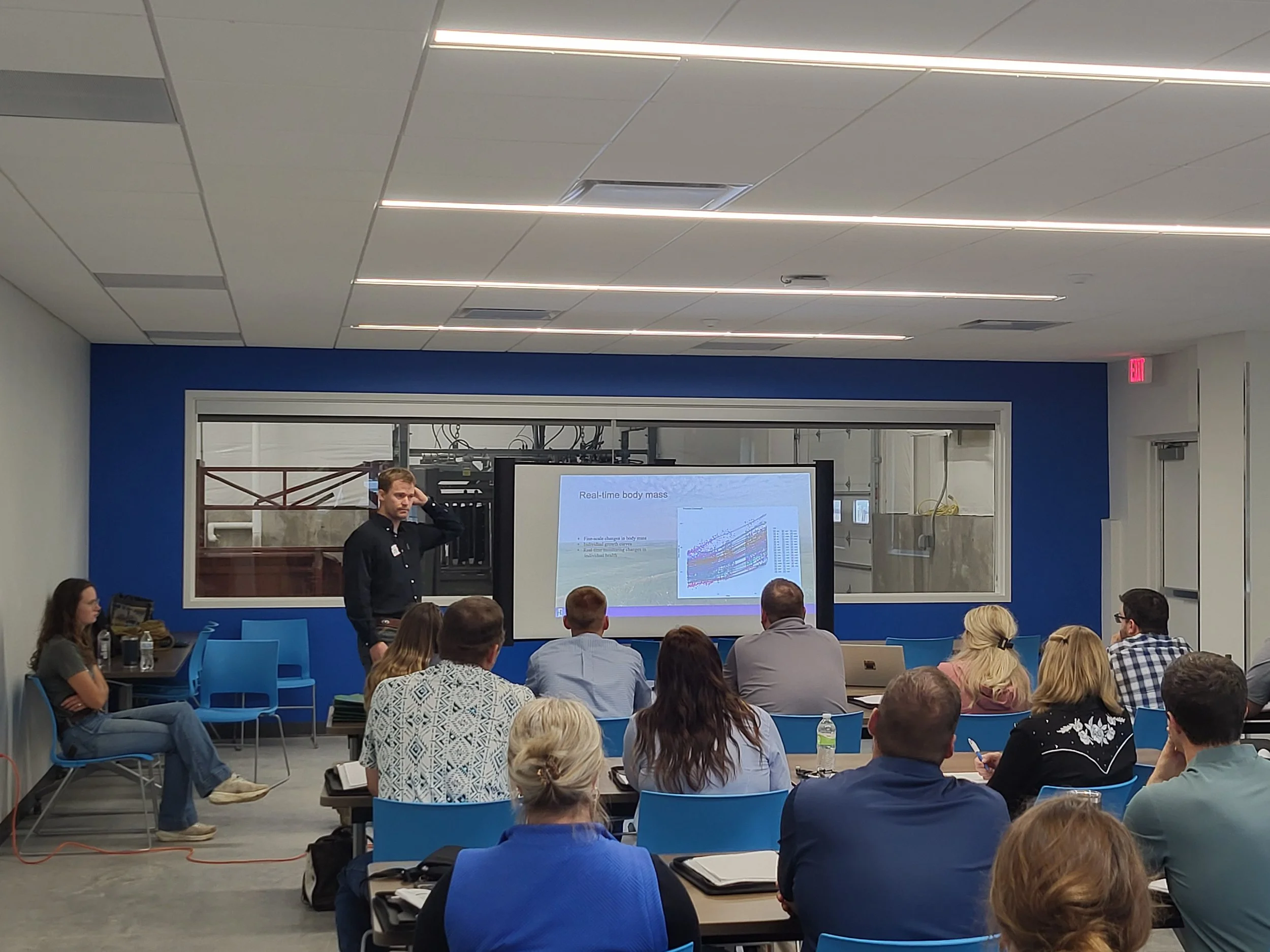
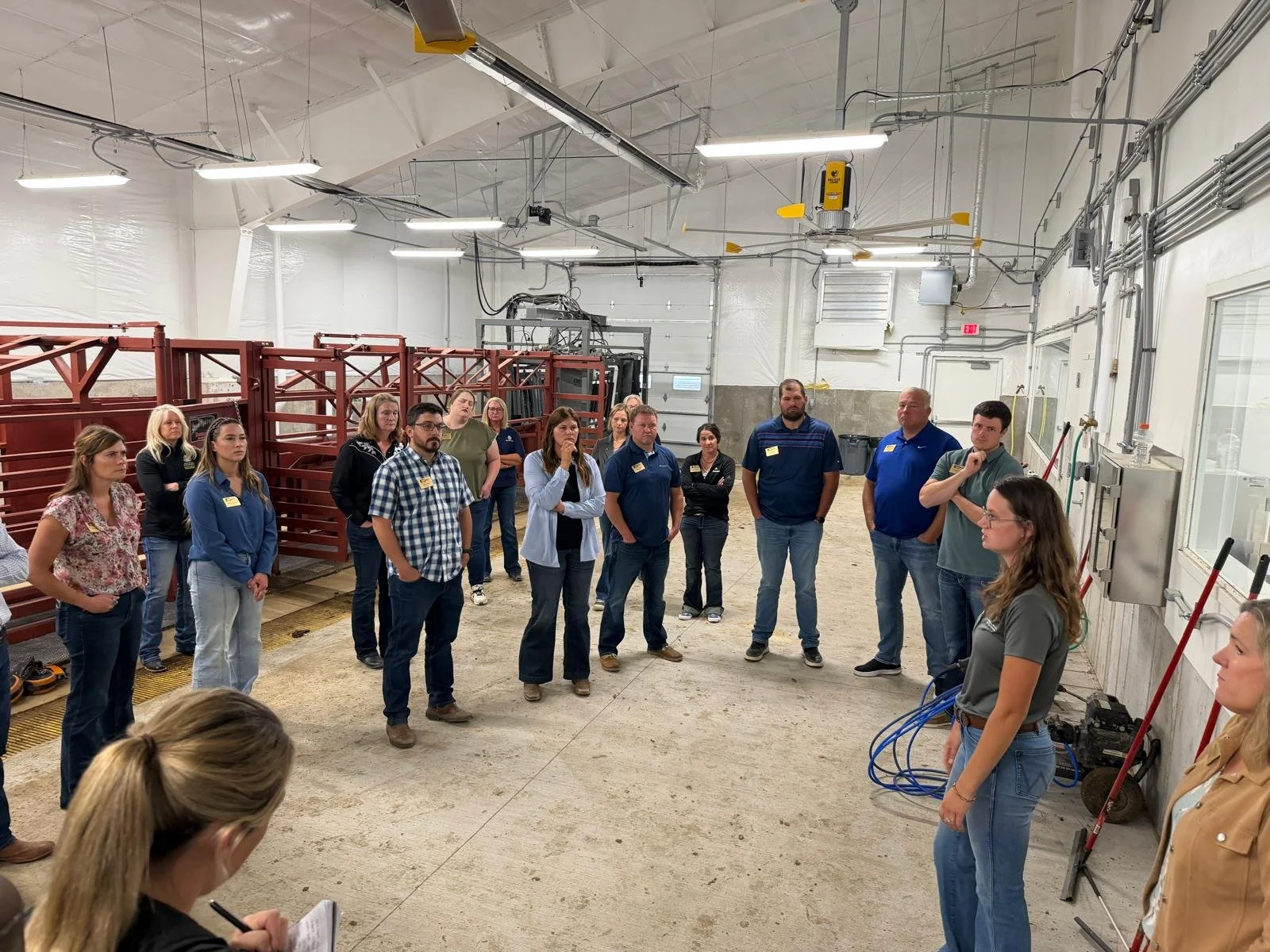
Day 3 brought together two subjects that, at first glance, may seem very different: precision agricultural research and suicide prevention. Yet as the day unfolded, a common theme emerged around the importance of paying attention. Whether monitoring livestock performance, recognizing subtle changes in grazing behavior, noticing shifts in a colleague’s personality, or listening closely to the stories of our classmates, better outcomes often begin when we slow down enough to observe what is actually happening.
The day reinforced that information has little value if we are not willing to notice it, interpret it, and act on it. As Ira Parsons summarized during our discussion of precision livestock systems, “You can’t manage what you don’t monitor.” While his statement referred specifically to agricultural systems, it became an unexpectedly fitting message for nearly every conversation that followed.
At the SDSU Cottonwood Field Station, Class XIII saw firsthand how long-term research and emerging technology can work together. That balance between old information and new capability connected back to themes we encountered earlier in the seminar. At Oglala Lakota College, we heard about the difference between wisdom and knowledge and the importance of connecting traditional understanding with modern tools. Cottonwood demonstrated a similar concept from a research perspective. Historical data provides context, but new technologies allow researchers to ask questions that could not have been answered decades ago.
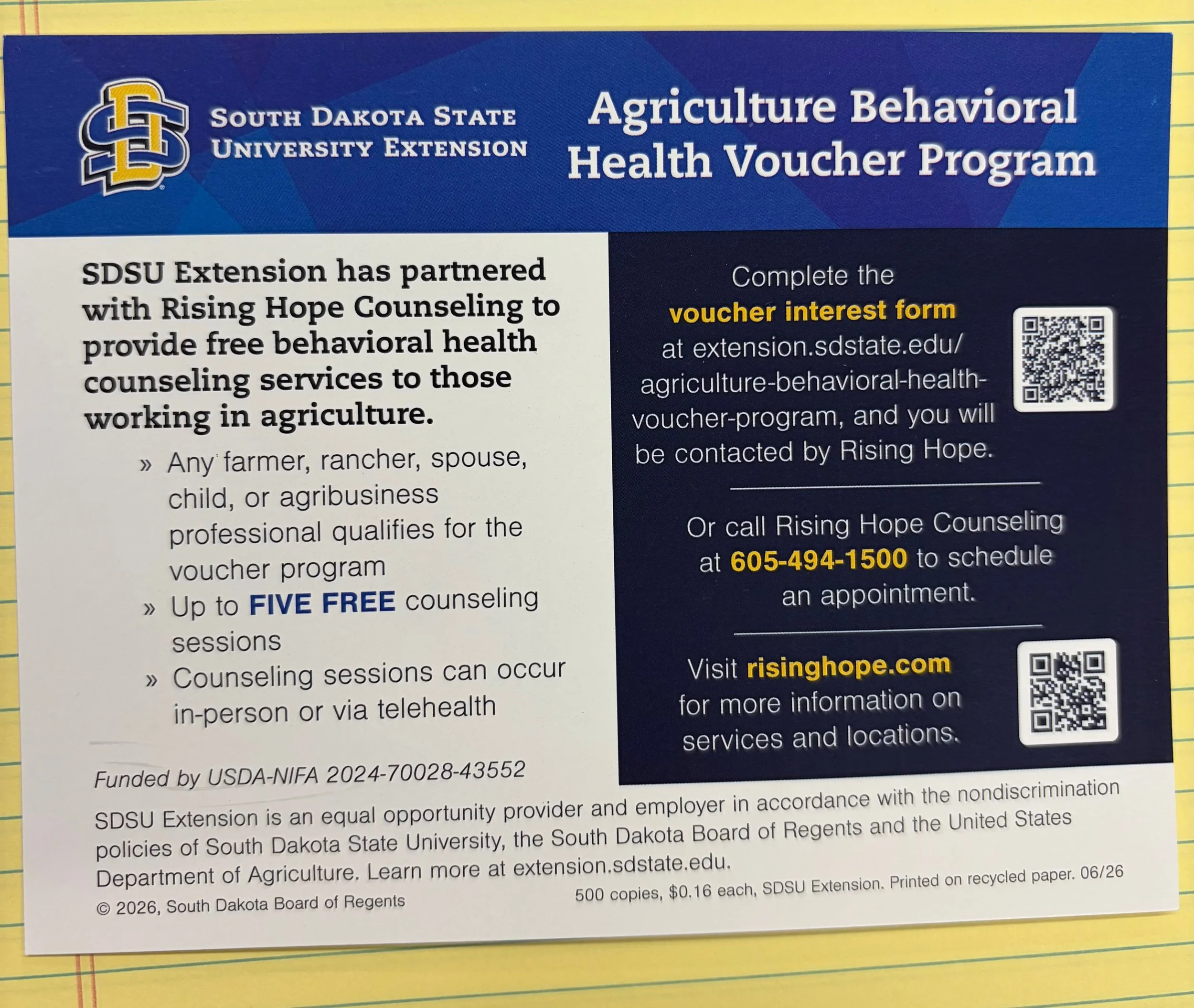
The importance of recognizing signals and acting on them became far more personal during our QPR suicide prevention training with SDSU Extension Field Specialists Leacey Brown and Connie Strunk.
Agriculture is often celebrated as a way of life built around independence, perseverance, and resilience. Those qualities are real strengths. Yet the discussion also challenged us to recognize that those same cultural characteristics can become liabilities when “pull yourself up by your bootstraps” turns into an unwillingness to acknowledge pain or ask for help. Isolation, financial concerns, medical challenges, relationship issues, chronic pain, sleep problems, alcohol use, and uncontrollable environmental pressures can all contribute to risk. The agricultural culture of toughness can further discourage people from acknowledging those struggles.
QPR, Question, Persuade, Refer, was described as an emergency intervention similar to CPR. It is not treatment, and the person intervening is not expected to solve the underlying problems. Instead, the purpose is to recognize the warning signs, ask the difficult question, provide hope in the immediate moment, and connect the individual with professional help.
Perhaps one of the biggest barriers to intervention is fear. People worry that asking directly about suicide will somehow put the idea into someone’s head. The training emphasized that this is not the case. When warning signs exist, it is better to ask and be wrong than to remain silent and wish later that we had said something. “Listening is the power tool that restores hope” was an especially meaningful takeaway.
The afternoon storytelling session provided a deeply personal demonstration of what connection can look like. Following our training earlier in the seminar, Class XIII members shared stories that carried lessons extending far beyond the specific experiences being described. Taken individually, these were personal stories. Taken together, they became a portrait of Class XIII.
The messages were different, but the themes overlapped repeatedly: take the chance, keep moving forward, slow down when it matters, value your people, be willing to be uncomfortable, give yourself grace, accept vulnerability, find joy, and remain open to where life leads.
Our final reflection reinforced how much connection has developed within the class. If Day 1 taught us the power of telling and receiving stories, and Day 2 showed us the importance of giving people the tools to lead themselves, Day 3 reminded us why those relationships matter in the first place. People need people. Ultimately, this seminar showed us that leadership begins with awareness. Pay attention to the data. Pay attention to the land. Pay attention to behavior. Pay attention to your people. Pay attention to the story someone is trying to tell, even when they do not have the words to tell it clearly. And when something tells us action is needed, have the courage to act.
By Seminar Reporter Amber Kauk
Photos by Sam Schaunaman and SDARL
Special thanks to Seminar Team Leaders Matt Kunerth and Sydney Swanson