Natural Resources Seminar in the Black Hills
Day 1: Custer State Park Bison Center & Corrals (Sep. 14, 2026)
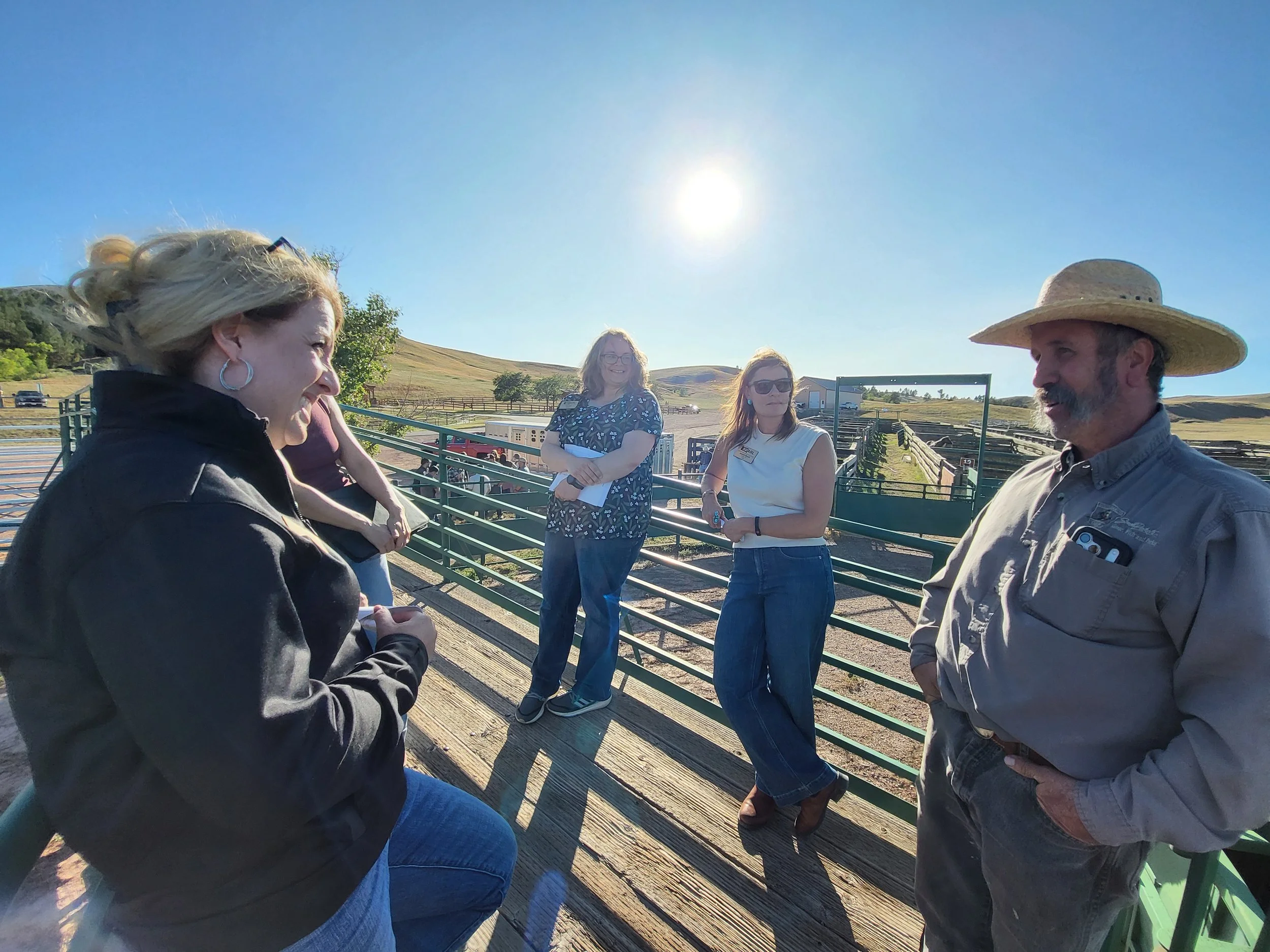
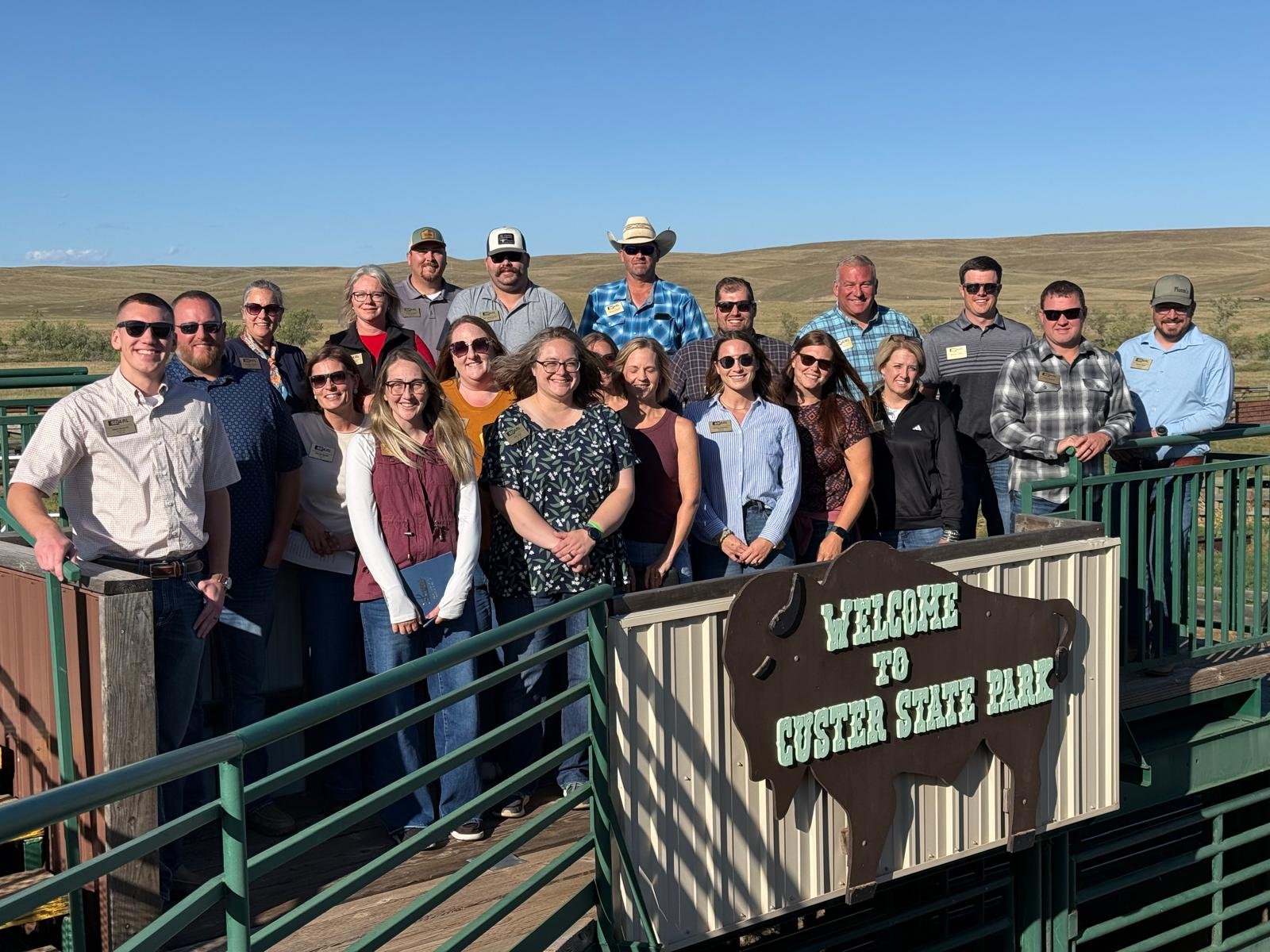
SDARL Class XIII gathered at the Custer State Park Bison Center, where we were welcomed by Chad Kremer, the park's Bison Herd Manager. Kremer’s passion for the bison species was palpable as he guided the group through the story of bison in Custer State Park, from the historical context of the first group of 36 bison introduced to the park in 1916, to the ongoing conservation efforts that sustain the herd of nearly 1500 head today. The session covered the annual buffalo roundup, vaccination protocols, herd health management, and the ongoing stewardship practices that have allowed the park to maintain one of the most celebrated bison herds in the country. Class XIII had the opportunity to view the corrals firsthand, gaining a tangible appreciation for the scale and complexity of managing a wild herd within a public park setting.
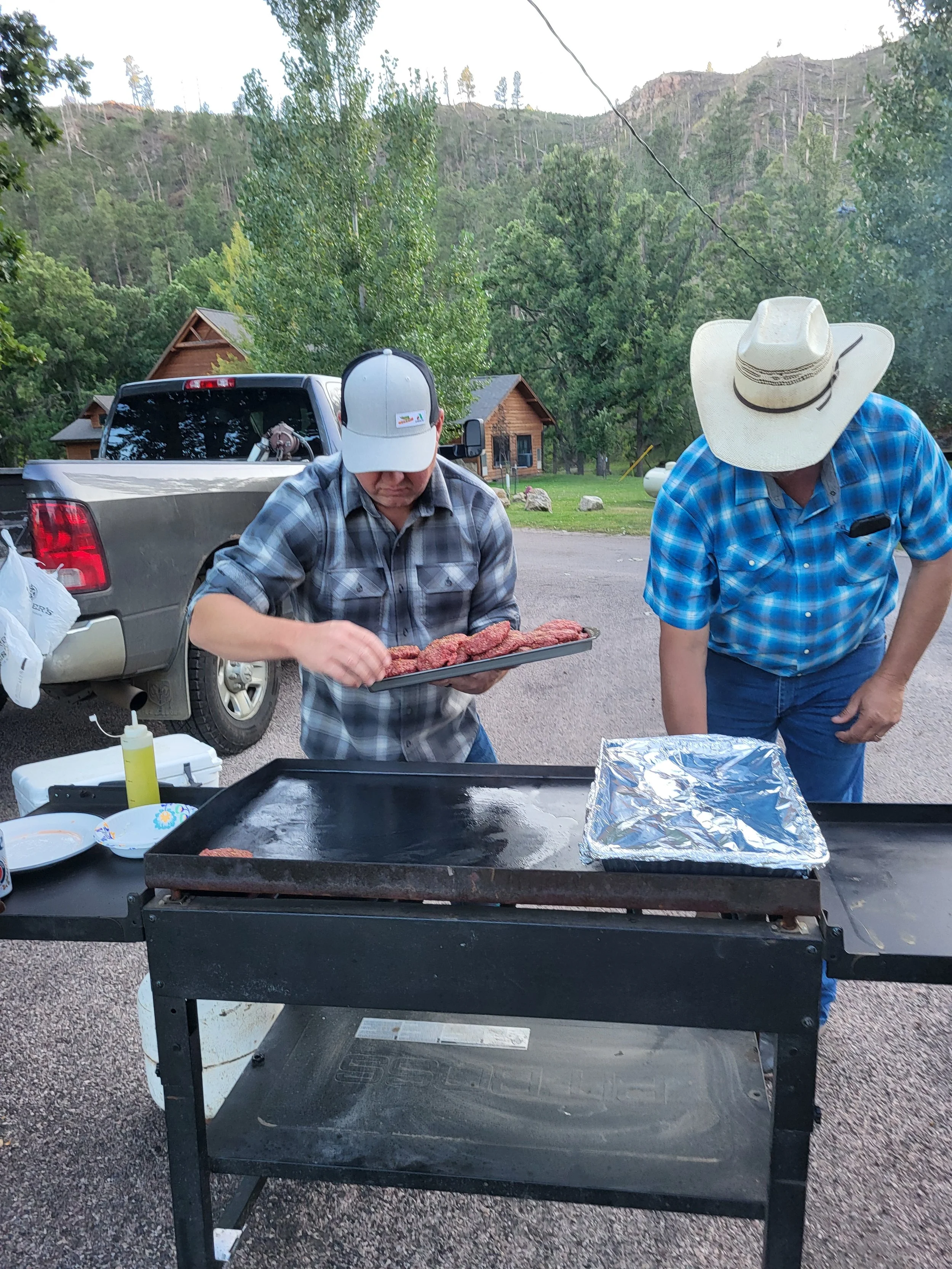
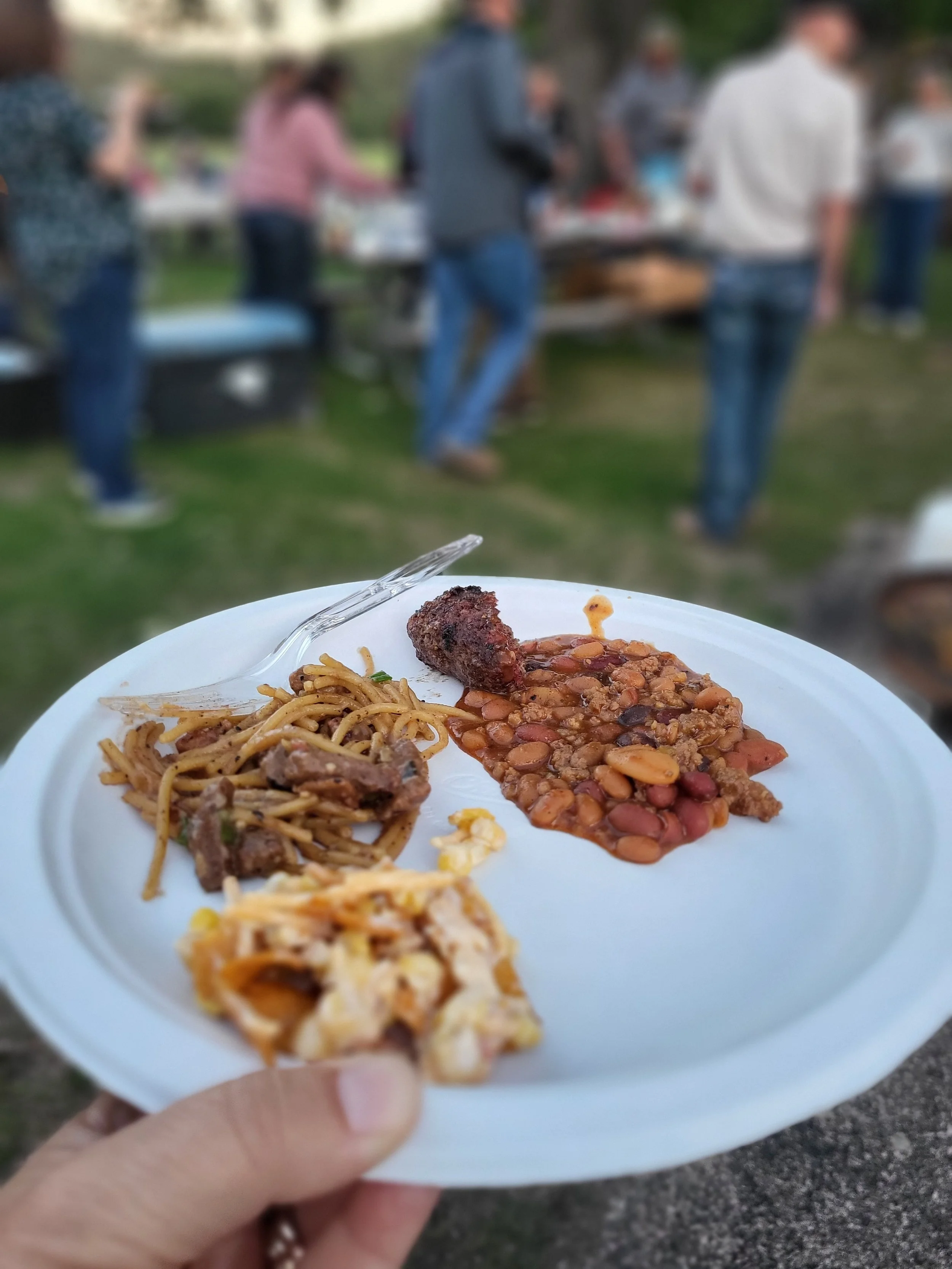
The evening brought the group together for a time of fellowship with a Wild Game Feed held near the cabins at Custer State Park. Class XIII members contributed a variety of game dishes, celebrating the abundance of South Dakota's lands and waters. Dishes contributed included elk, pheasant, venison, and walleye prepared in varying fashions and accompanied by several complimentary dishes.
Day 2: Forestry, Mining & Cattle (Sep. 15 , 2026)
The first full day provided several examples of the seminar theme, collaboration. Class XIII gathered in Custer for a panel discussion on forestry and forest management in the Black Hills. The panel featured Ben Wudtke, Black Hills Forest Resource Association, Marcus Warnke, South Dakota State Forester, Jason Virtue, Black Hills National Forest Fire Management Officer, and Todd Butler, Hell Canyon District Ranger. Together, the panelists offered a comprehensive look at the challenges and opportunities facing the region's forests. Topics ranged from resource management and long-term sustainability planning to permitted forestry and grazing operations, private timber harvesting practices, and the critical role of fire management in maintaining forest health. The discussion underscored the delicate balance required to manage a working forest that serves both ecological and economic purposes and serves the objectives for communities to remain safe and forests to remain healthy.
The panel stressed the importance of working with partners toward shared objectives. Mr. Wudtke stated, “Nature doesn’t respect political boundaries,” and it is evident with varying government entities involved in managing the ecosystem above ground and below ground that all various partners must work together for the health of the forest to be sustained.
Information was relayed regarding the paperwork-intensive process an interested logger must go through to be considered for proper permitting. It was stated that there are opportunities available if someone is interested in logging; however, it is a very capital-intensive industry which creates additional challenges for potential new logging and sawmill businesses. Many of the businesses that are currently in logging and sawmills are family owned; however, that number has been declining.
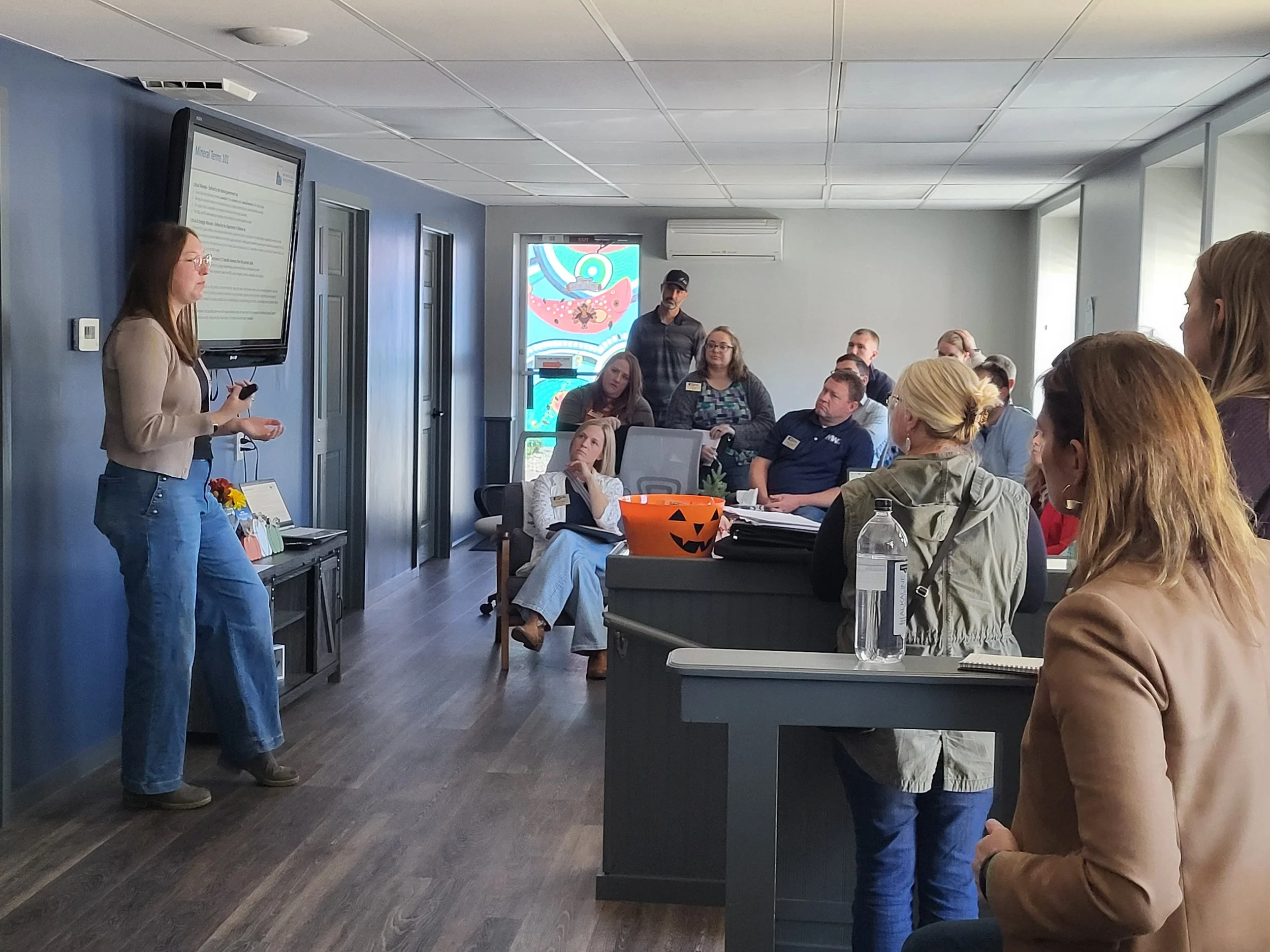
Following the forestry panel, we traveled a short distance to enCore Energy for a mining industry overview led by Ella Bordewyk, Executive Director of the South Dakota Mineral Industries Association. The session provided an introduction to the mineral extraction industry in South Dakota, including its economic significance and regulatory landscape. The class learned about how modern mining looks much different than in the past due to modern technology, commitment to environmental sustainability, continual safety improvements, ongoing research and development, partnerships with communities, and growth in diversity. Building on conversations from the class's previous seminar, participants also considered the Native American perspective on natural resource development and the cultural, historical, and environmental considerations that accompany projects in the Black Hills.
Ms. Bordewyk shared the statement that “South Dakota has the ability to lead the nation in several minerals and aggregates.” Challenges persist, including the permitting process as it takes about 29 years to permit minerals in United States, which is the second longest of all countries (behind Zimbabwe.) The United States must refine its permitting process in order to develop opportunities. Ms. Bordewyk profoundly stated, “We are at a great fork in the road. South Dakota can either lead the nation or squander the opportunity.”
The next speaker for the mining presentation, Jay Douthit, Vice President of Operations North Project of enCore Energy, presented an informative overview of their project located north of Edgemont. The project, named the Dewey-Burdock Project has been going since 2008 and is still in the permitting process as all federal licenses to operate have been received and they are currently working to obtain their state permits. The class gained perspective on how mineral resources are identified, extracted using In-Situ Recovery (ISR), and brought to market. The benefits of the project are expected to include the creation of 80 direct jobs and 163 indirect jobs, with projected output of one million pounds per year. The visit highlighted the intersection of natural resource development and environmental stewardship, a recurring theme throughout the seminar.
A midday lunch break, graciously hosted by Lori Cope and Janelle Booth at Janelle’s beautiful Custer home, gave the class an opportunity to recharge before the afternoon's journey.
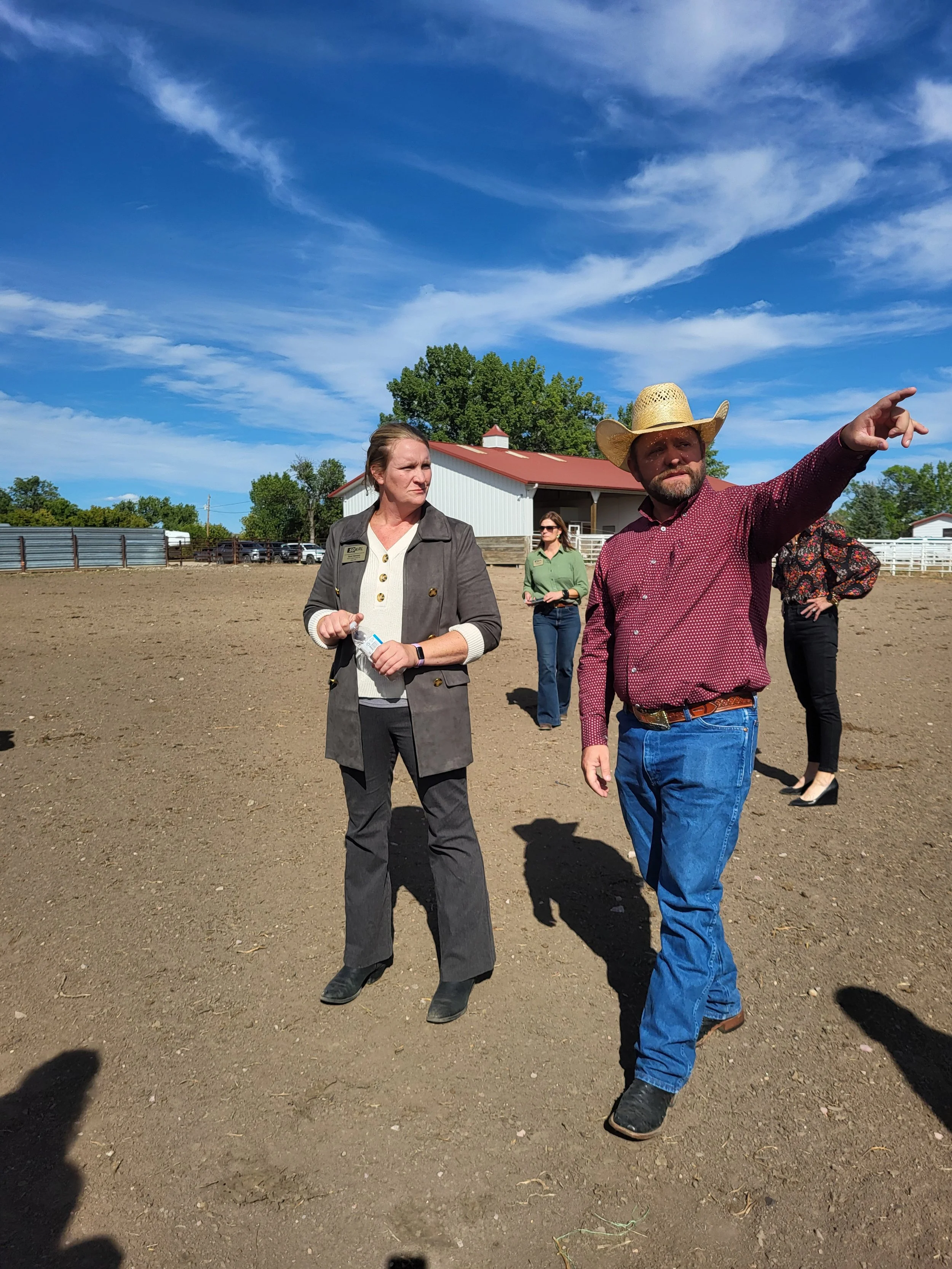
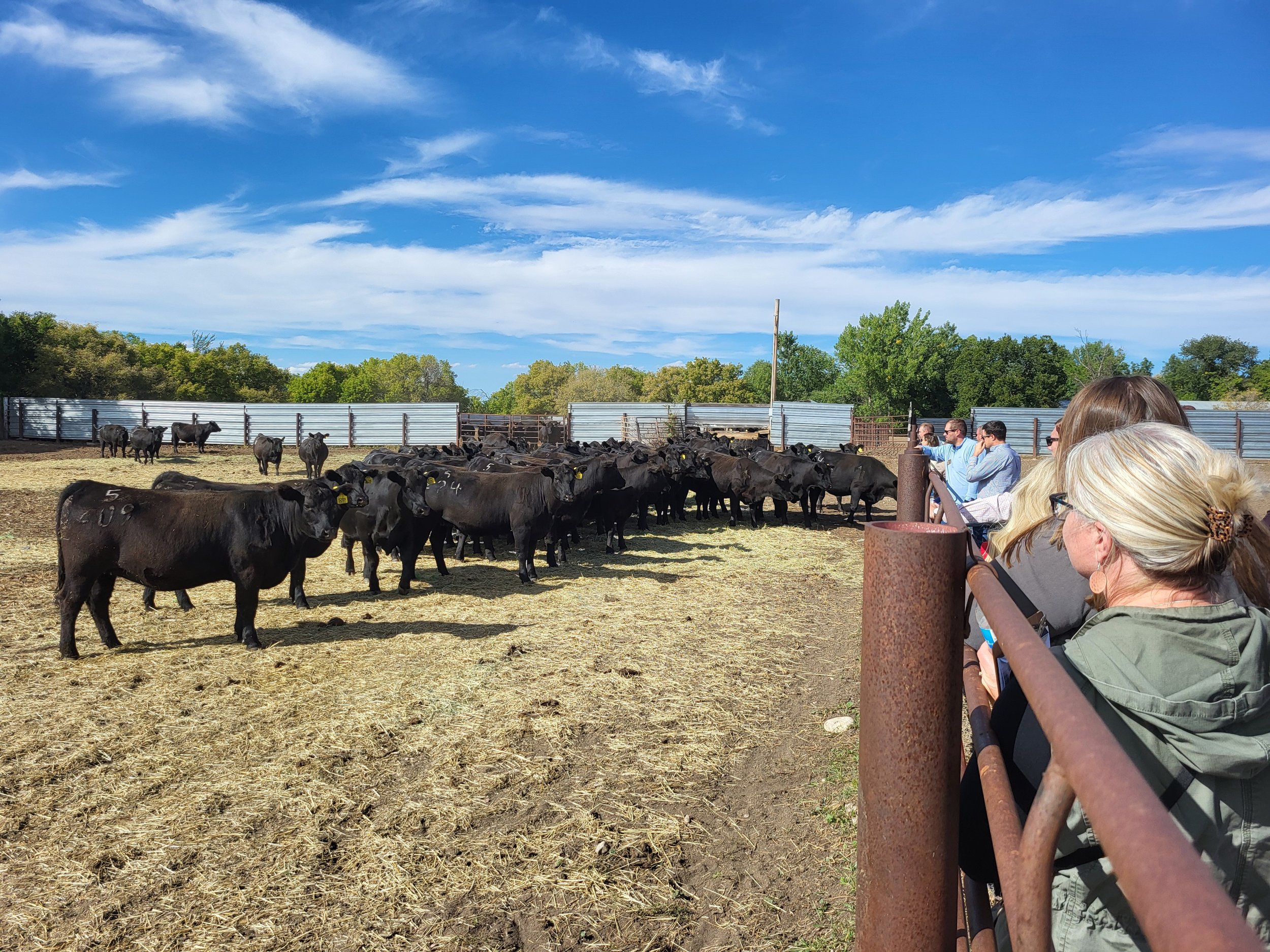
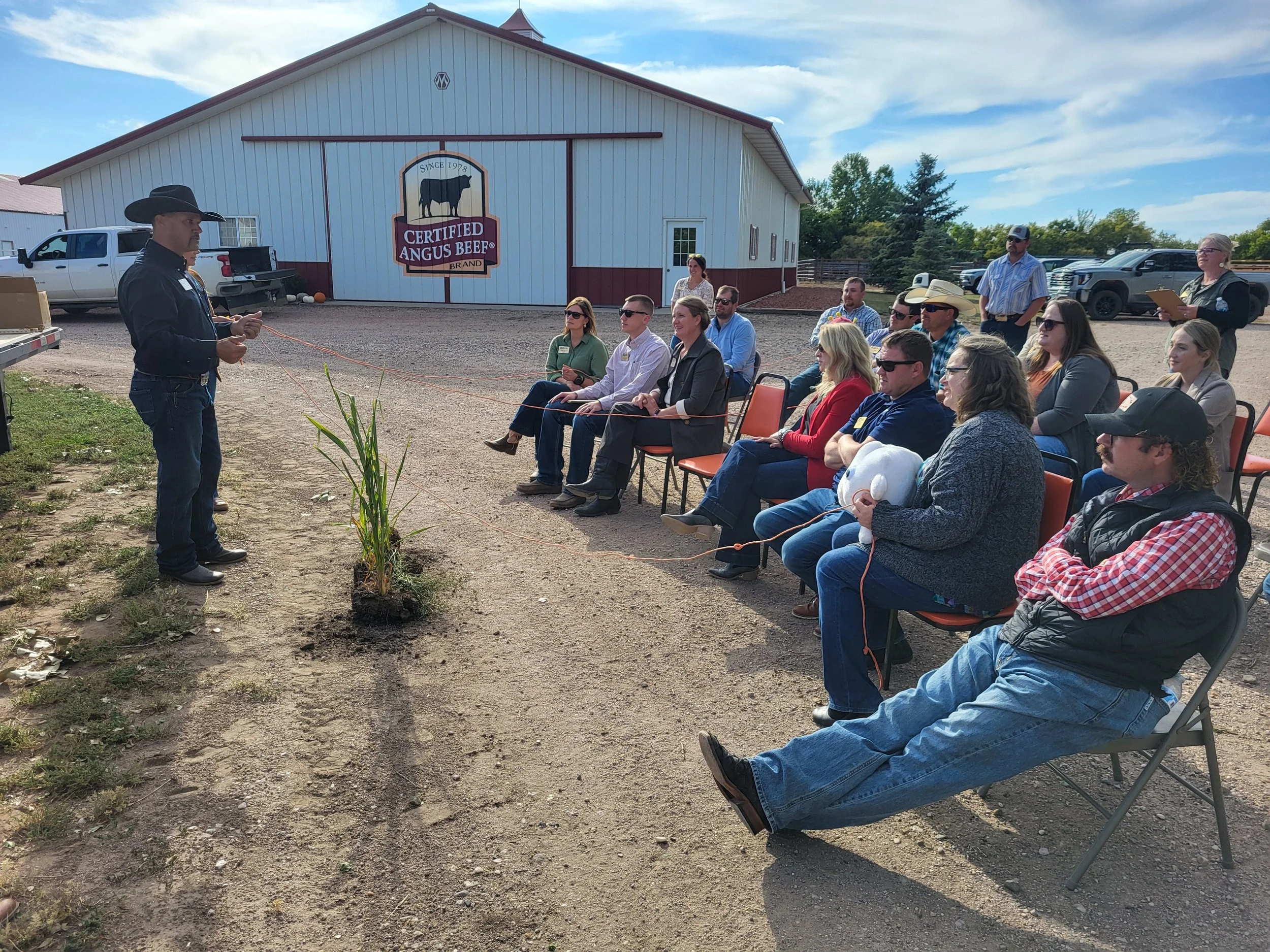
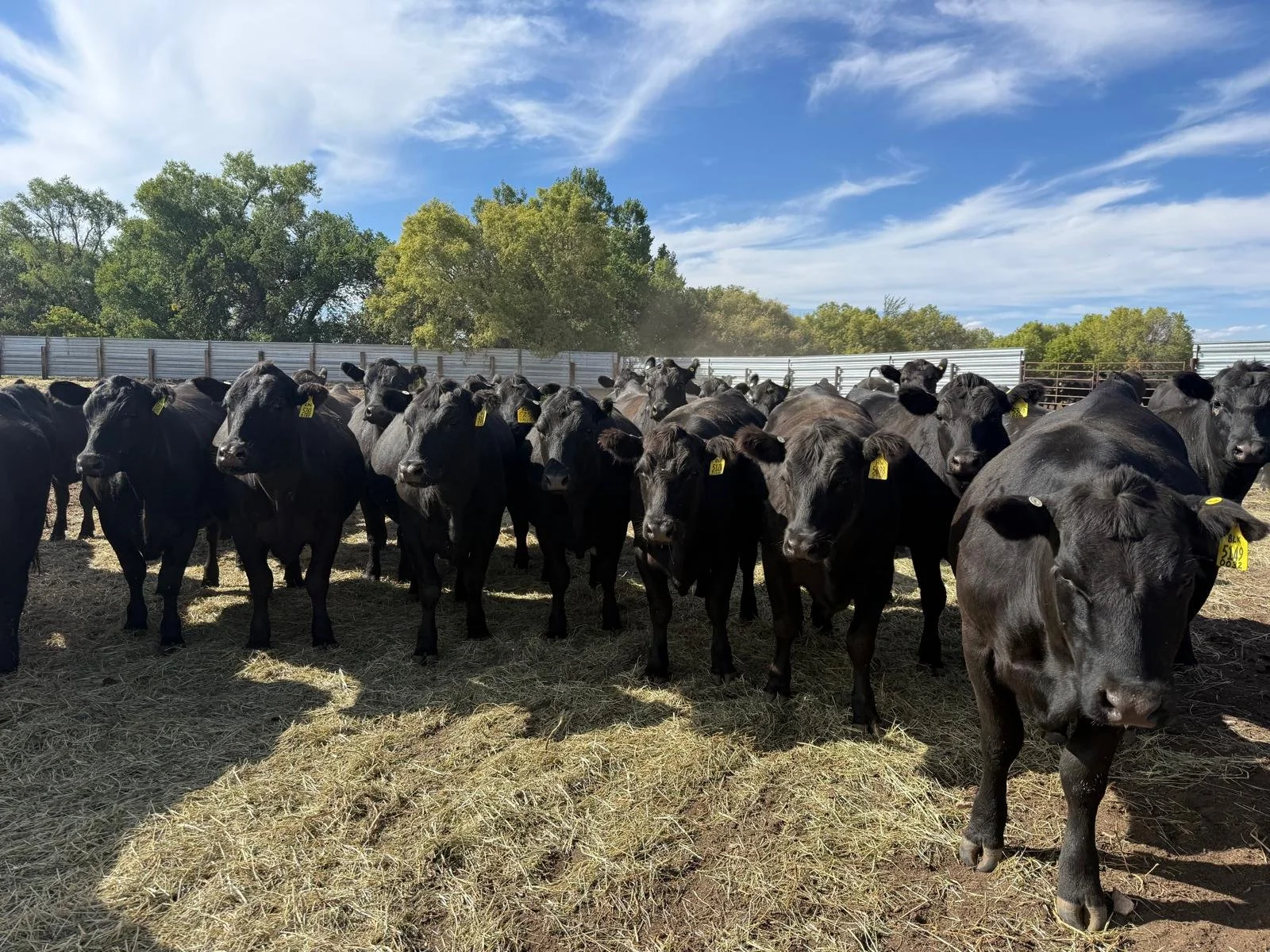
The afternoon featured one of the seminar's most expansive stops: a visit to Mt. Rushmore Angus near Hermosa, where Ranch Manager David Uhrig provided an in-depth overview of a 500-cow operation on the high plains of western South Dakota. Uhrig walked participants through the full scope of ranch management, from breeding programs and bull selection to day-to-day herd management and the logistical demands of operating at scale in a challenging environment. His participation on various beef industry boards provides him with a unique perspective on current issues facing the industry. Tiffani Robertson (Class IX) introduced Mr. Uhrig and shared her perspectives as a rancher in the Hermosa area.
Complementing Uhrig's operational perspective was a facilitated discussion led by Tanse Herrman (Class X), USDA-NRCS State Grazinglands Soil Health Specialist. Herrman guided the group through the nuanced conversation of balancing productive agriculture with conservation priorities on working lands, exploring how ranchers, government agencies, and conservation organizations can find common ground in protecting grassland ecosystems while sustaining viable cattle operations. A creative and interactive visual demonstration of a plant’s life and how various factors can create different outcomes for the plant and soil was presented.
To round out the day’s sessions, the cohort gathered for dinner at Lintz Bros. Pizza near Hermosa, where we were treated to this area’s trademark pizza and the opportunity to meet Ryan and Riley Lintz and learn about their connection to agriculture before participants returned to their cabins at Custer State Park for the evening.
Day 3: Timber Industry & Sheep Industry (Sep. 16, 2026)
Wednesday was the seminar's longest and most logistically ambitious day. The day began near Custer, traced an arc across the northern Black Hills and into the high plains, and covered the timber and sheep industries, before concluding with an evening social in Rapid City.
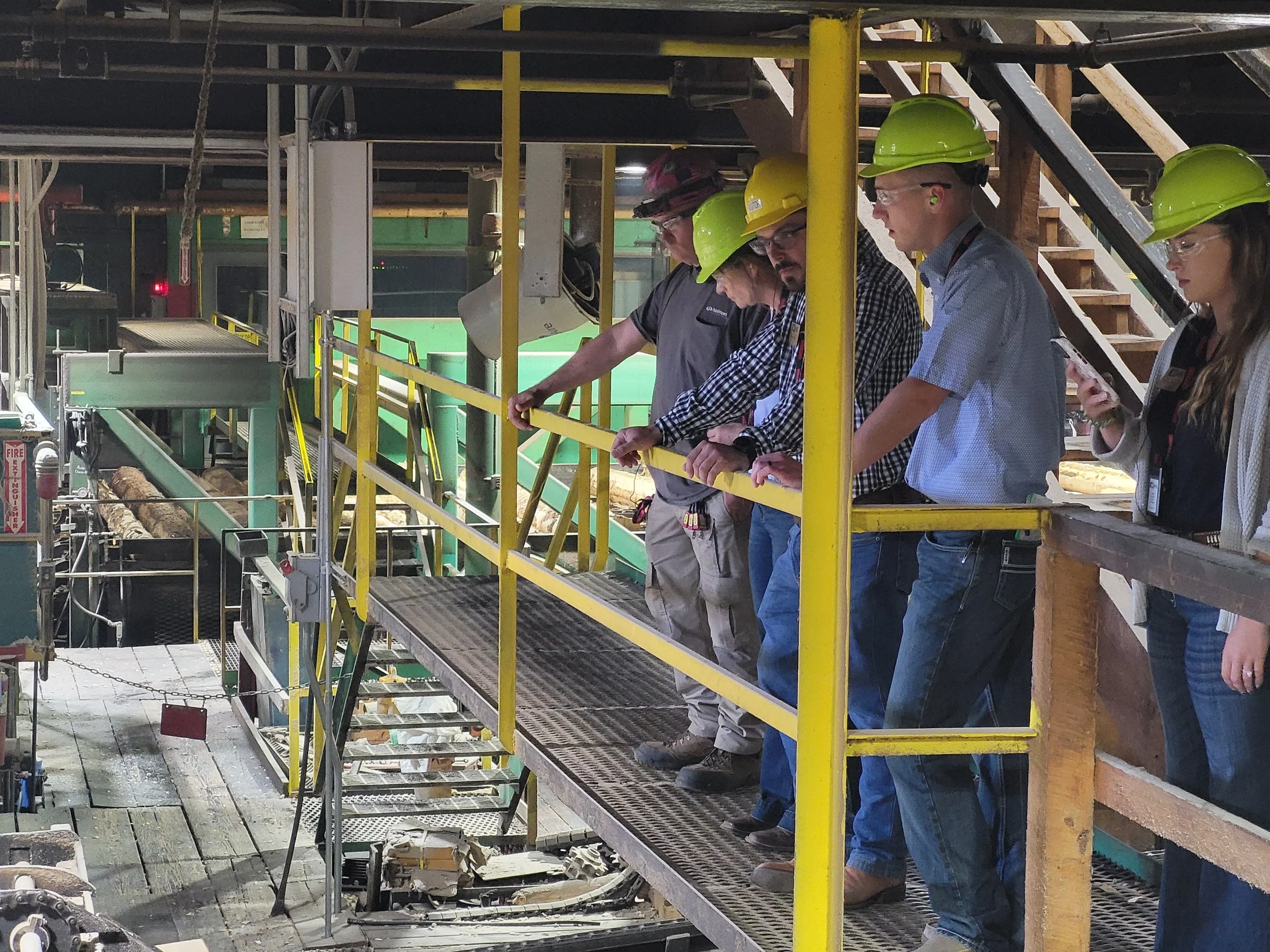
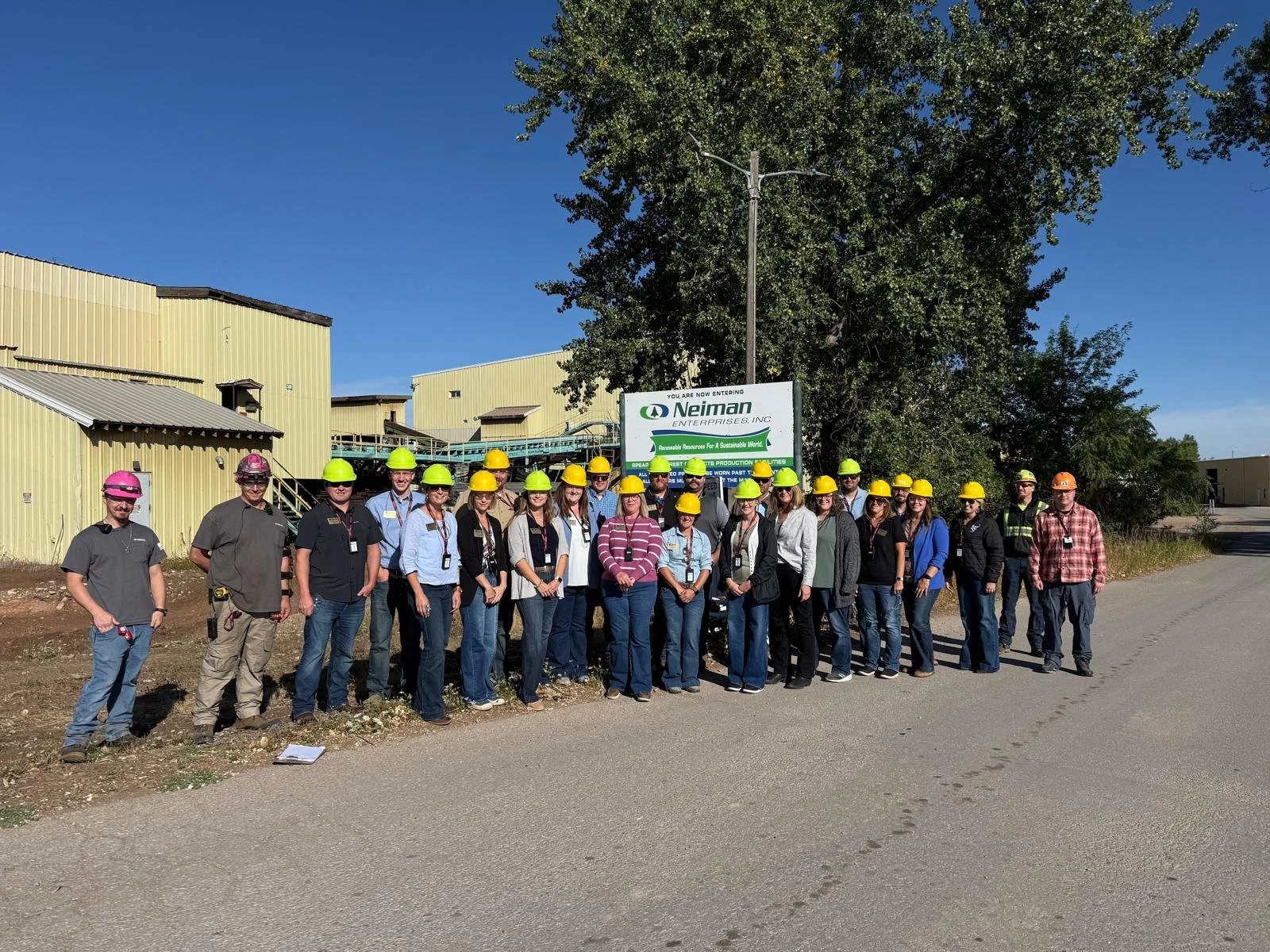
The morning began at the Neiman Spearfish Forest Products sawmill, where Plant Manager Will Roberts, Maintenance Manager Jeremy Keller, Kiln Boiler Supervisor Nathan Williams and Sawmill Lead/Product Control Tom Niemi led participants on a tour of the facility's operations. The visit offered a firsthand look at how raw timber is processed into finished lumber products, and provided valuable context on the current state of the South Dakota timber industry, including the challenges of sustainable harvesting, the economic pressures facing regional mills, and the long-term outlook for timber as a driver of rural economic development.
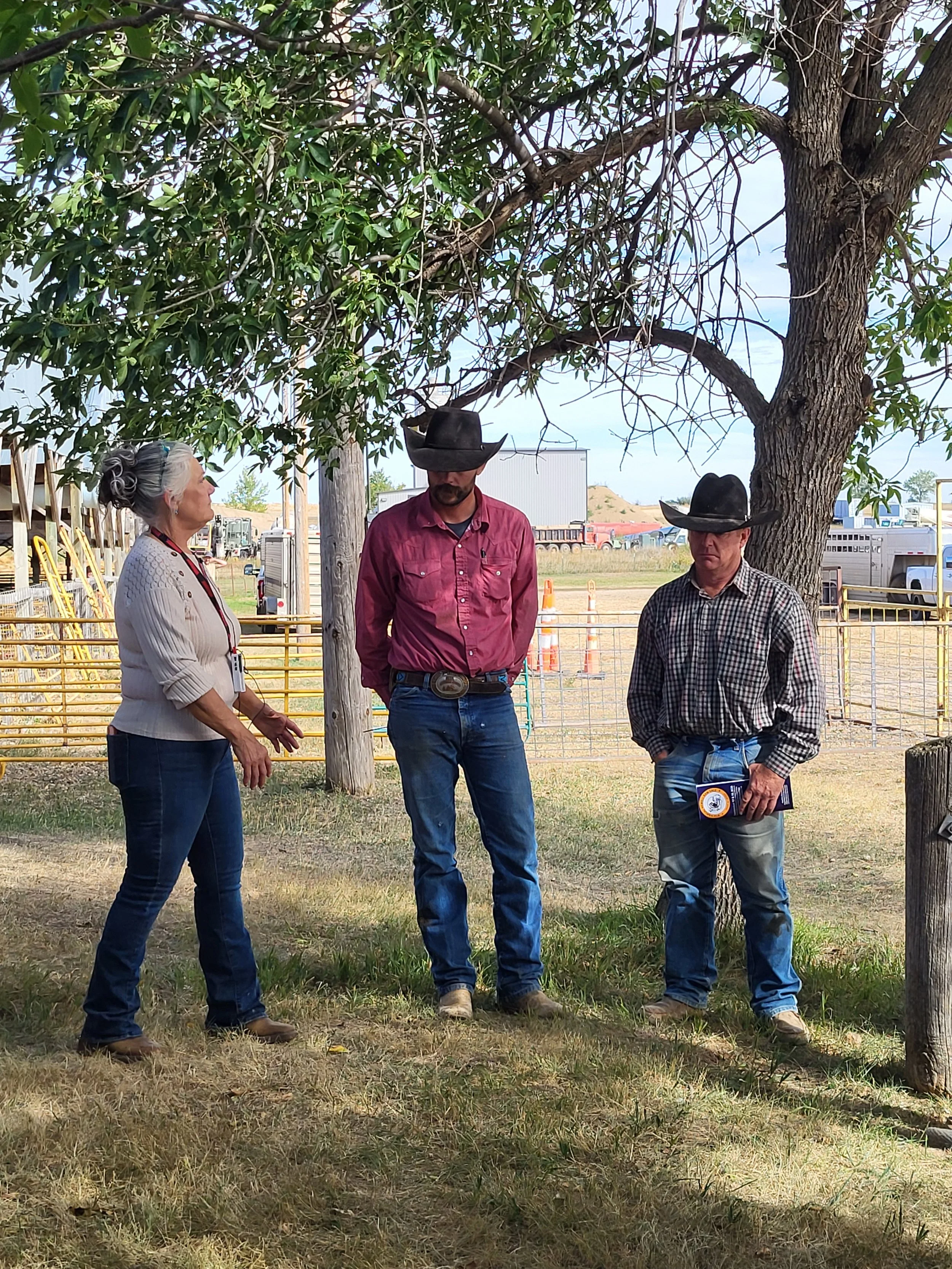
From Spearfish, the group traveled to Bowman Hall in Belle Fourche for a comprehensive introduction to the sheep industry in western South Dakota. Gwendolyn Kitzan with Kitzan Sheep and Kitzan Family Farms and Peter Orwick, former Executive Director of the American Sheep Industry Association, each spoke to the realities of sheep production in the region and the leadership they have shown over time by being advocates and leaders for the industry. Together, the two speakers painted a full picture of the sheep supply chain from pasture to sale. Also discussed were challenges being faced, including drought, predators, and parasites. Best practices to realistically attempt to mitigate these concerns were shared. Mrs. Kitzan and friends prepared and shared a lovely farm-to-table lamb lunch.
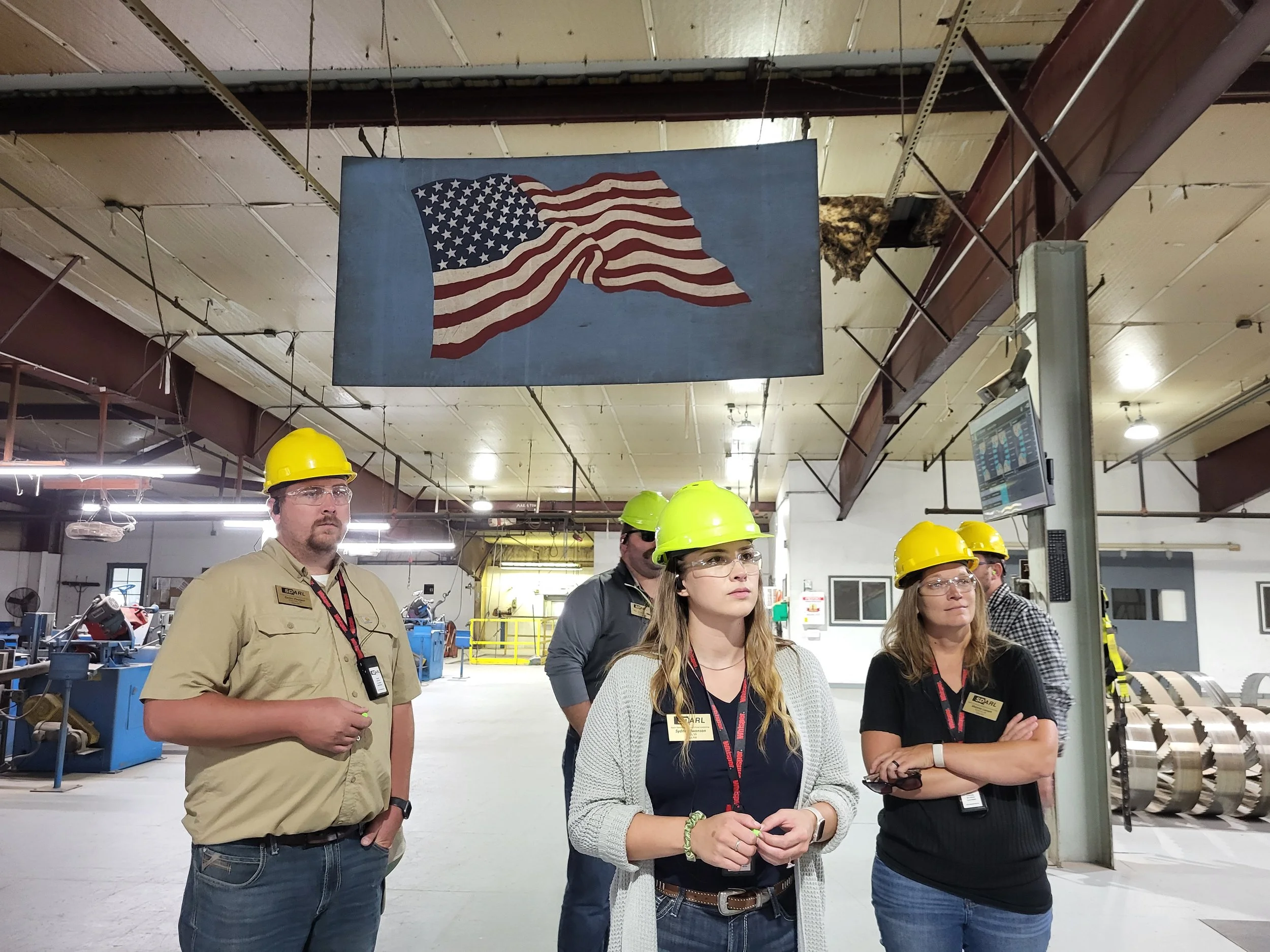
Following lunch, Class XIII visited the Center of the Nation Wool Warehouse, where we spent time with Dallin Brady, Assistant Manager. The class observed the full lifecycle of wool from the moment it arrives at the facility. The tour covered how wool is received, graded, baled, stored, and ultimately marketed to textile buyers around the world. Belle Fourche has earned an international reputation for the quality of its wool, and the warehouse visit illuminated how this regional commodity connects South Dakota sheep producers to a global marketplace; a compelling example of the seminar's collaboration theme in action.
The tour continued with a brief stop at the Belle Fourche Reservoir, followed by a meeting with Tristan Clements, Manager of the Belle Fourche Irrigation District. He discussed their planning and decision-making process and how decisions for the district are made.
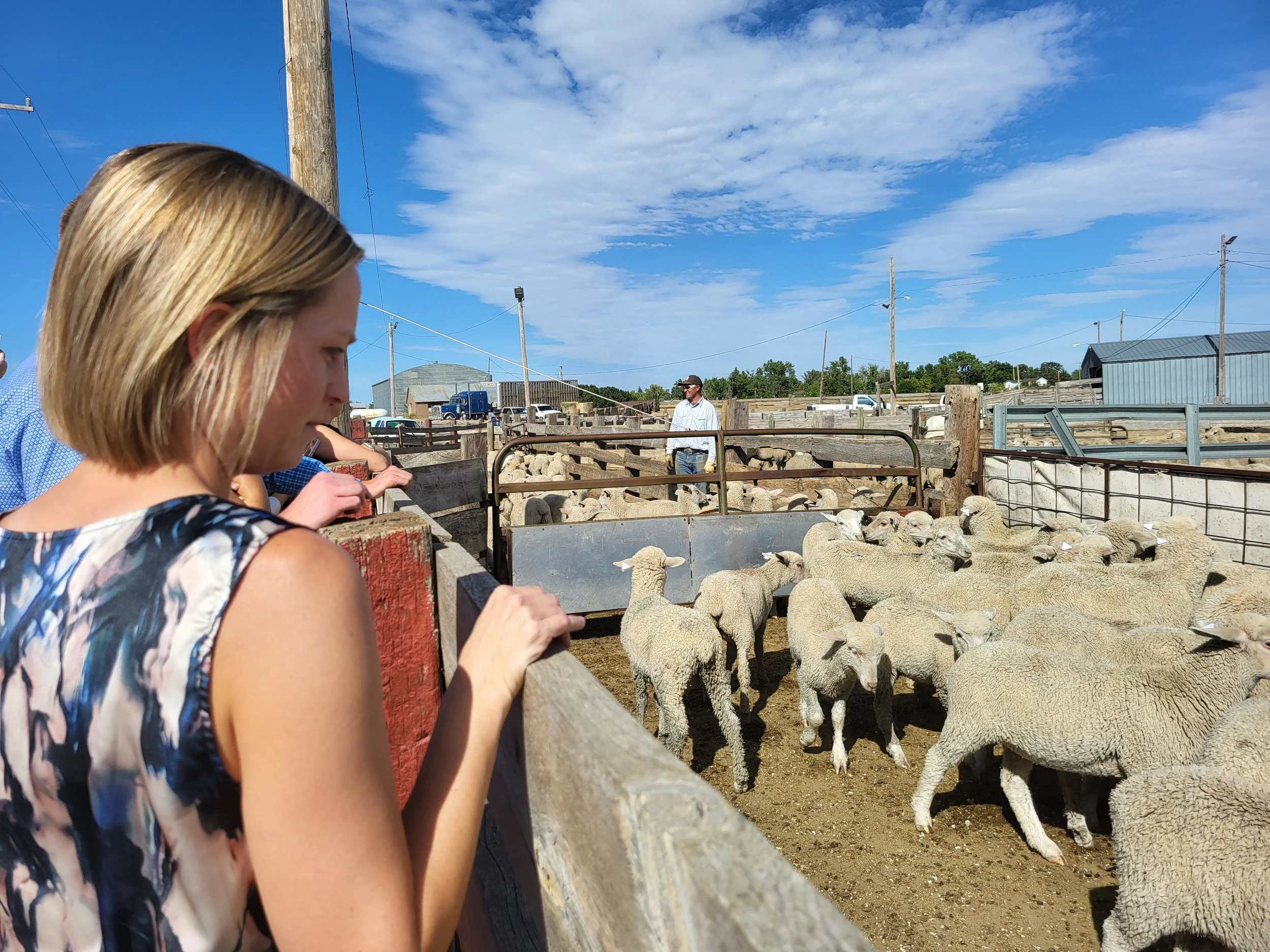
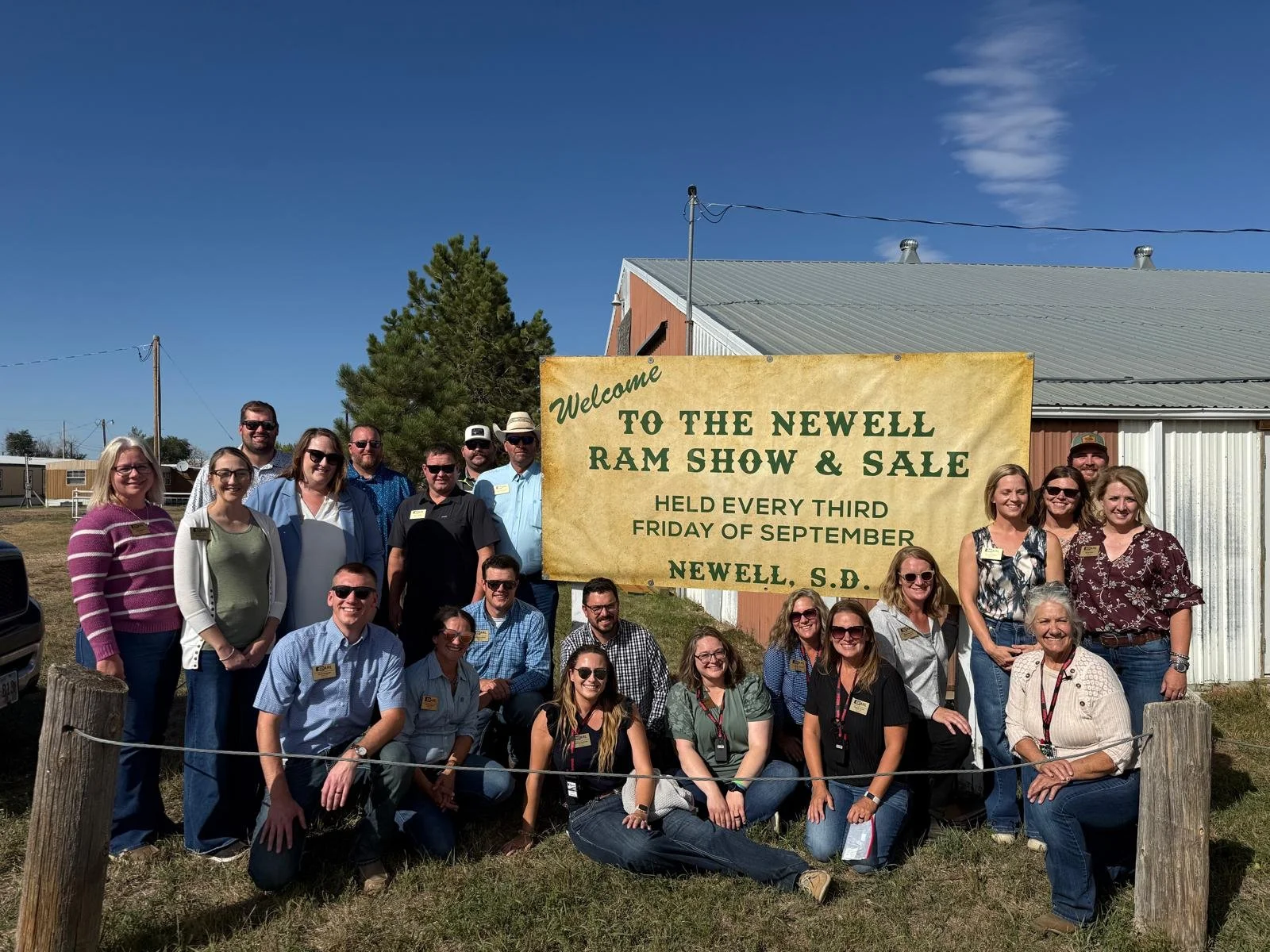
The next stop of the day was the Newell Sheep Yards, where we witnessed a large volume of sheep arriving for this week’s sale. The visit demonstrated how sheep are received, sorted, weighed, penned, and prepared for auction, providing a clear view of the infrastructure that supports livestock marketing at scale. The group also toured the Newell Ram Sale barns, where rams were arriving in preparation for the upcoming Newell Ram Show & Sale, one of the region's premier sheep industry events.
The day concluded with a social gathering with SDARL alumni and members of the Board of Directors. The evening featured a special 'Sharing Our Stories' segment from Class XIII members Brett Harrison, Brooke Higgins, and Matt Kunerth, who each offered personal story where they offered personal reflections. The event provided a meaningful opportunity for cross-class connection and mentorship.
Day 4: Electrical Energy & Looking Ahead (Sep. 17, 2026)
The seminar's final day was one of reflection, planning, and forward momentum. Class XIII gathered at The Hive at Main Street Square in downtown Rapid City where friend of SDARL, Lori Cope, shared a thoughtfully prepared brown bag breakfast for each member. This first morning session included public speaking by Seminar Team Leader, Annie Walker, who shared her path to and passion for South Dakota’s conservation districts while educating the class on the history and many resources available. Heather Niederwerder, Class X President, joined the group to share her experiences in leadership while encouraging all class members to consider their capacity, purpose, and passion for the upcoming Class XIII presidential election and future service opportunities both in and out of South Dakota Ag & Rural Leadership.
The final morning session took place at the headquarters of Black Hills Energy in Rapid City for a briefing on the company's operations with Dean Sigman, Operations Manager. The session provided a thorough overview of the role they play in electricity generation, transmission, and distribution. We also learned about Black Hills Energy's fire management initiatives and rural development role, gaining an appreciation for how energy infrastructure underpins the economic vitality of rural communities throughout the region. Black Hills Energy graciously sponsored lunch following the tour.
To close the seminar, Class XIII shared a robust discussion around the theme of collaboration, and takeaways from our experiences throughout seminar 1-8.
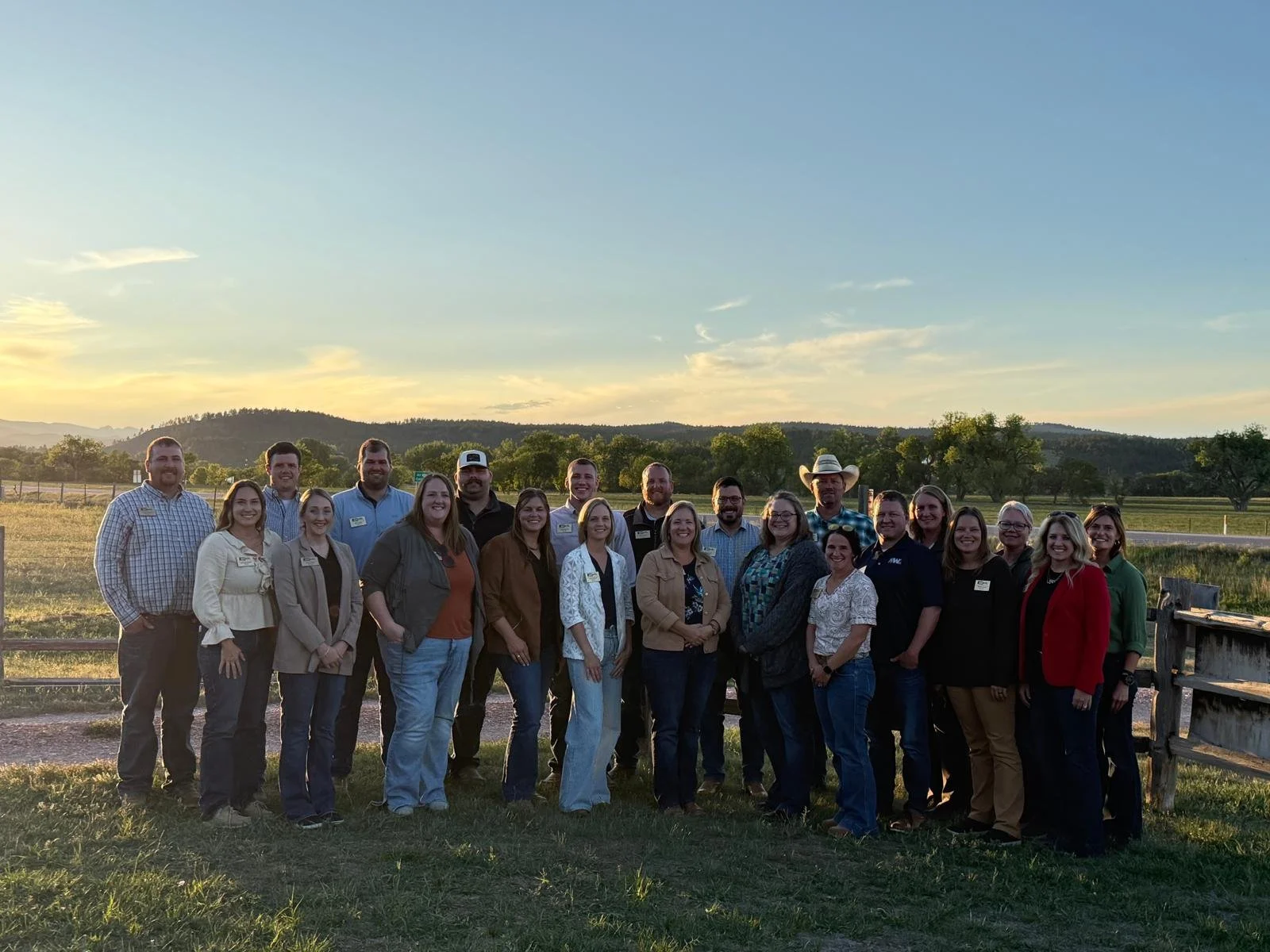
As the class departed, we carried with us the testament to the richness of Western South Dakota's natural and agricultural heritage and to the dedicated individuals – ranchers, foresters, miners, shepherds, energy professionals, and public servants – who steward it every day. Class XIII leaves the Black Hills with new knowledge, new connections, and a renewed sense of the collaborative spirit that defines SDARL.
By Seminar Reporter Amy Beran
Photos by Carter Paulson and SDARL
Special thanks to Seminar Team Leaders Annie Walker and Craig Converse