Day 1 – July 7, 2026
After a brief pause over the spring planting season since our national study seminar in Washington, D.C., SDARL Class XIII reconnected in Mitchell to kick off Seminar 6, the First Dakota National Bank Seminar on Agriculture, Finance, & Economic Development. Gathering in the community room at First Dakota, the energy was palpable as class members shared life and professional updates. It is remarkable how much can evolve in a cohort’s lives in just a few short months, setting a fitting backdrop for a seminar anchored in the theme of Growth.
Our formal training began with Nate Franzén (Class I), President of the Agribusiness Division for First Dakota National Bank and a past SDARL board member. Franzén provided a transparent look into First Dakota’s footprint and highlighted how the bank differentiates itself through tailored producer newsletters, an internal appraisal team, the Landera Ag Finance division, and the Keep Farmers Farming succession program founded alongside a fellow SDARL alumnus.
Franzén then introduced the class to his methodology for “Kitchen Table Strategic Planning,” a practical framework designed to answer three core organizational questions: Where have we been? Where are we going? What are we going to do when we get there? Through interactive dialogue, Franzén emphasized that execution relies on developing no more than three or four core objectives, each tied to an explicit action plan detailing who is responsible and when it will be completed.
The presentation transitioned into a dynamic dialogue and Q&A session, characterized by strong engagement as Class XIII explored the nuances of navigating human friction and managing personalities. Ultimately, Franzén reminded the class that whether an organization requires top-down leadership or bottom-up collaboration, strategic planning is a game-changer that ensures the entire team is rowing in unison.
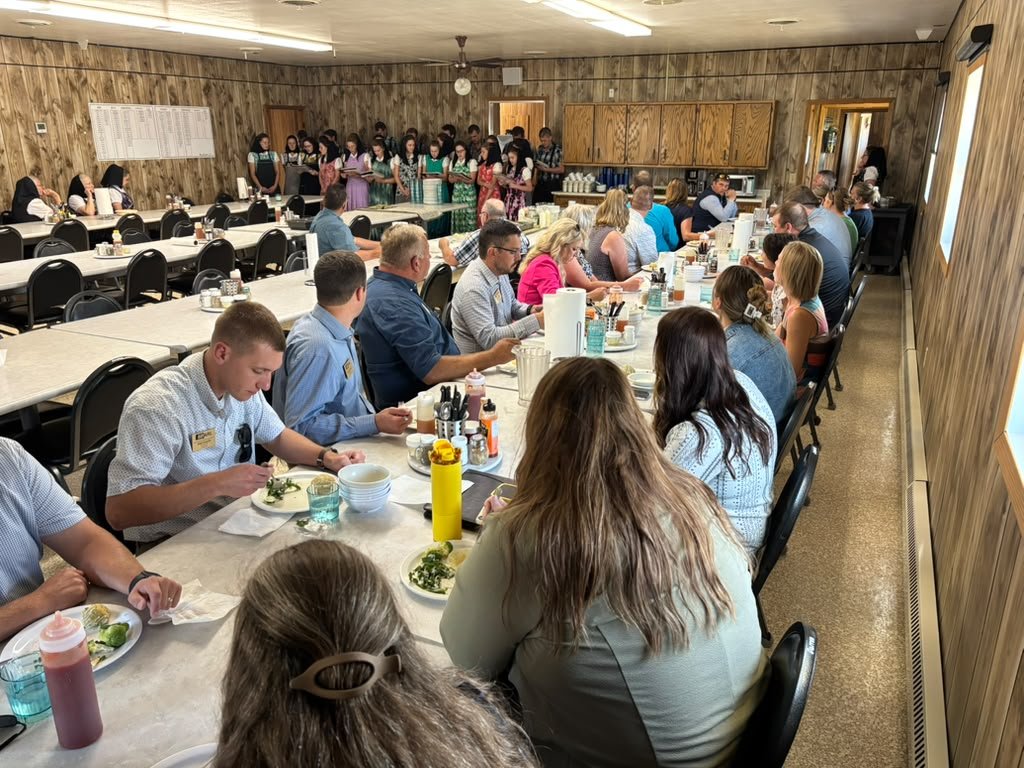
Following the morning session, Class XIII visited Maxwell Colony near Scotland, SD, for an immersive look at localized economic development. Sponsored by dedicated SDARL supporters Dusty and Cindy Anderson, the visit began with a remarkable communal meal prepared by Barb Hofer and women of the colony, as well as a beautiful vocal performance of traditional German hymns by the colony’s young women.
Secretary-Treasurer of the colony Mark Hofer then guided the class through an impressive demonstration of agricultural and industrial diversification. The colony’s economic engine spans multiple sectors, including: cattle, hog, and turkey production, row-crop farming and commercial honey bees, and advanced manufacturing of grain handling systems and equipment.
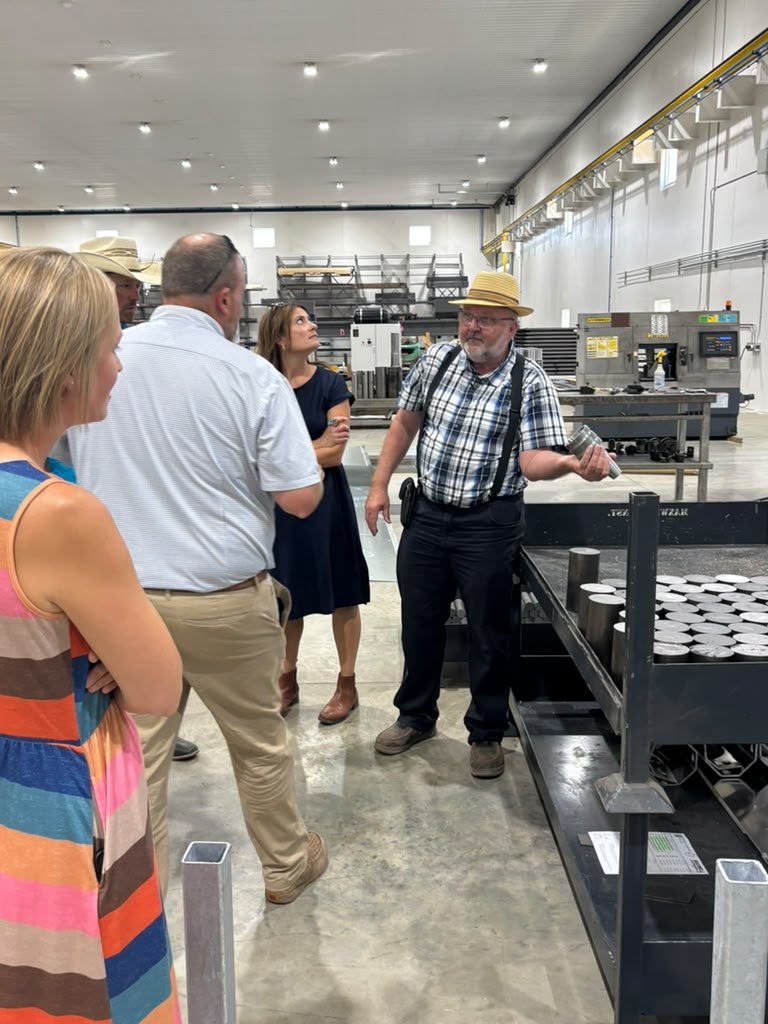
A primary takeaway for the class was the powerful intersection of agricultural banking and rural entrepreneurship. With targeted capital and strategic planning support from First Dakota, Maxwell Colony recently constructed a state-of-the-art manufacturing facility that boosted their grain handling equipment production efficiency by four times. The visit sparked great curiosity from the class, leading to active questions and discussions with Hofer regarding the colony's social and operational structures.
The afternoon session pulled Class XIII back into the technical details of agricultural finance through a small-group learning exercise utilizing a case study provided by First Dakota. Led by Kevin Haselhorst (Class XI), Senior VP & Ag Banking Credit Manager, the exercise examined a complex credit renewal scenario.
The ag professionals within Class XIII brought strong engagement to the case, debating the nuances of the file. Nathan Sparks (Class II), VP – Landera Division, and Kevin Blagg (Class XII), VP – Ag Banking, highlighted specific stress points within the report's numbers, demonstrating how they navigate financial conversations and situations with borrowers.
Rounding out the afternoon, Kevin Watt, VP of Fraud Prevention and Collections Risk Management, delivered an eye-opening briefing on modern financial crime. Drawing on his more than 30 years of industry experience, Watt dispelled the myth of the lone hacker, revealing that modern fraudsters can operate as highly organized, corporate-style syndicates. In a digital ecosystem where criminals aggressively pursue corporate and personal data, Watt emphasized that continuous education remains an organization's absolute best line of defense.
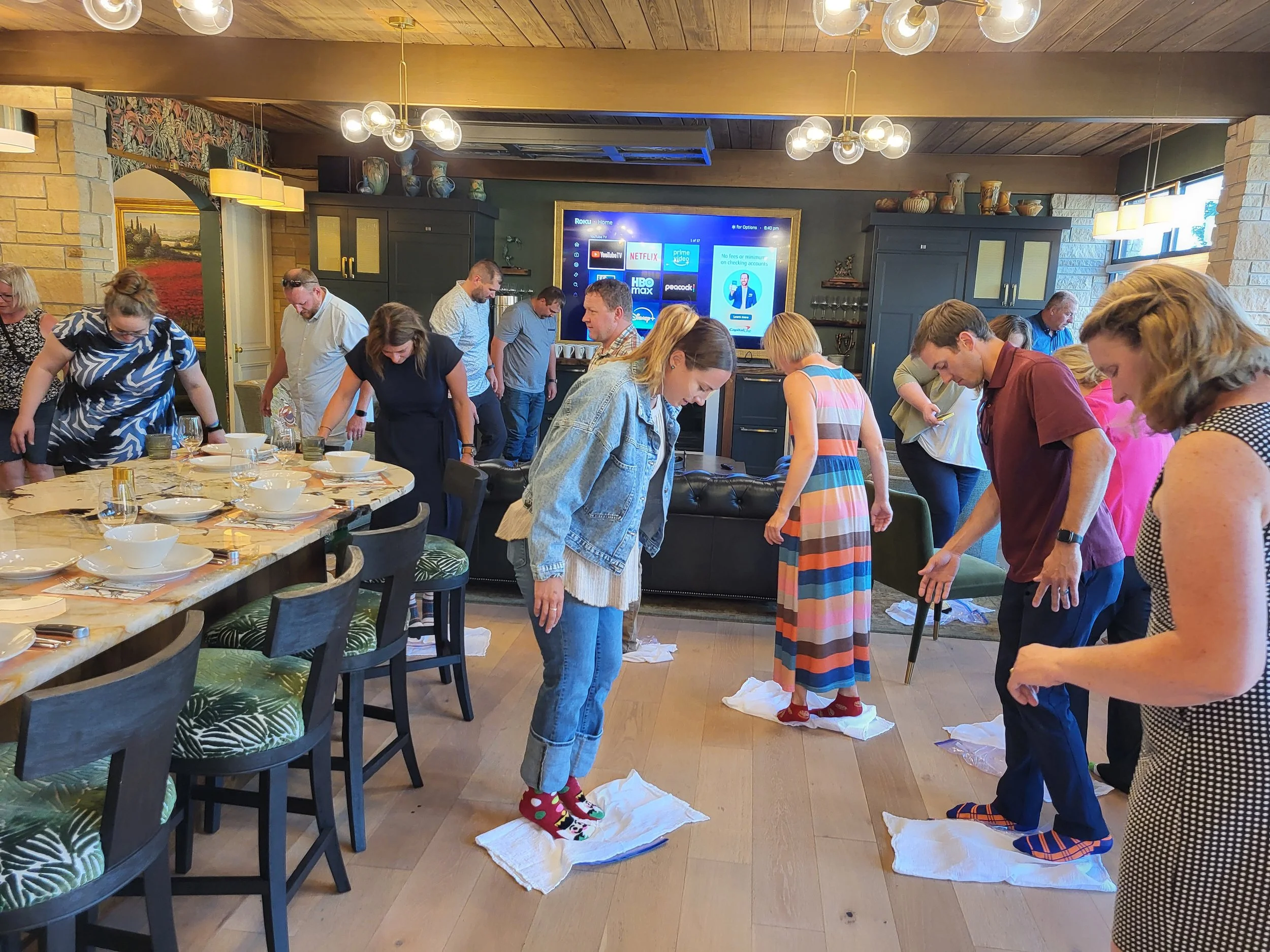
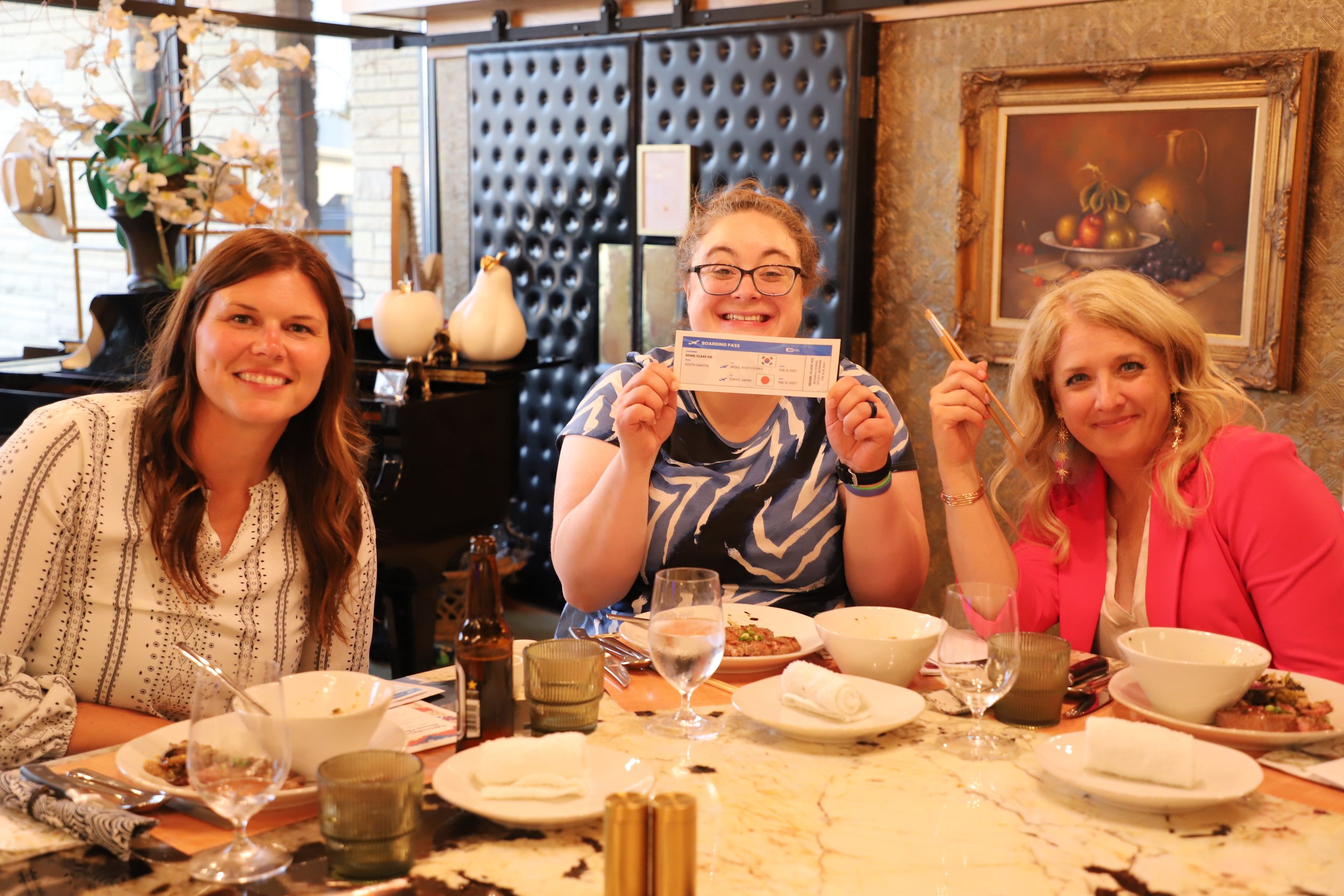
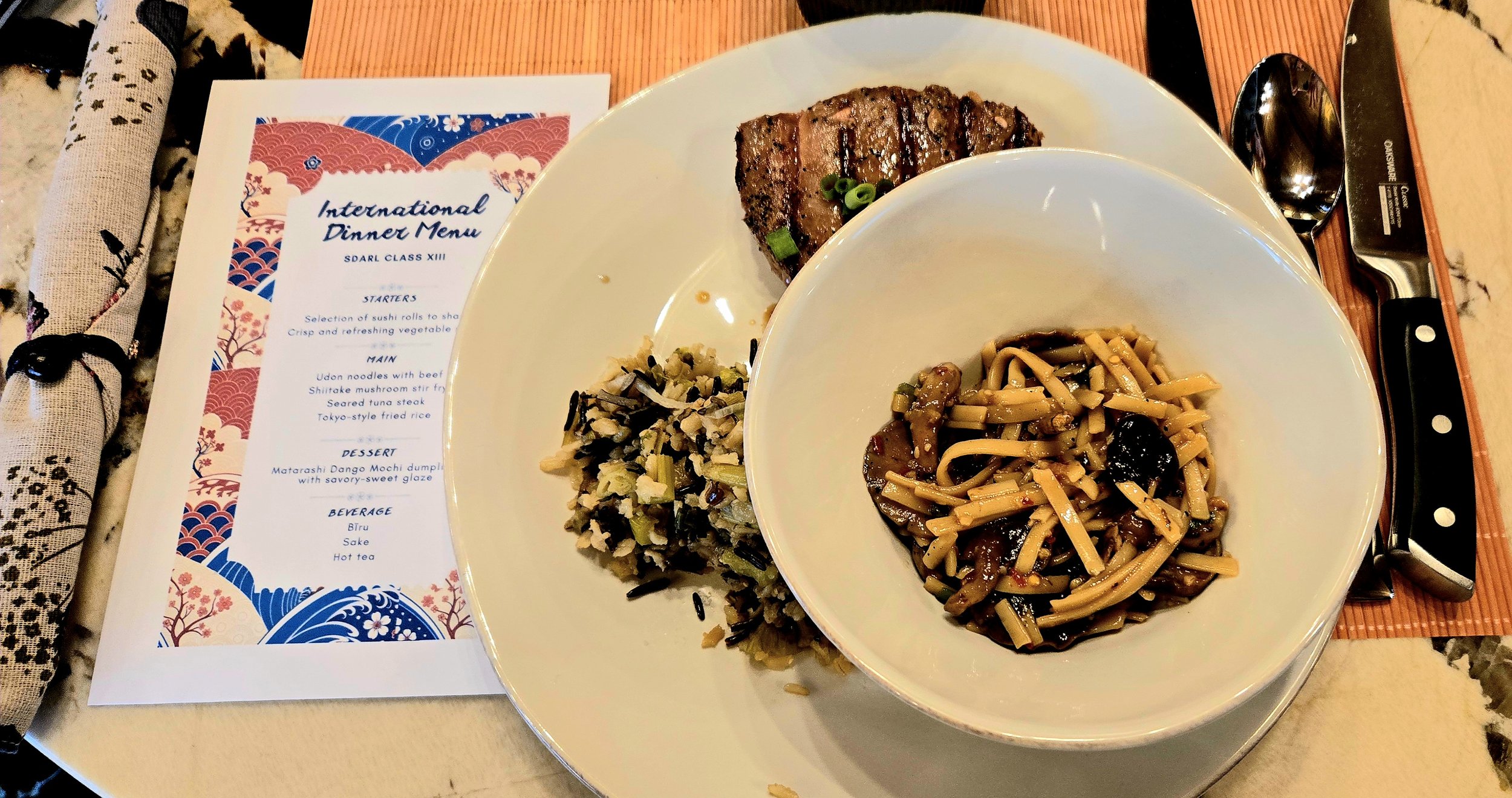
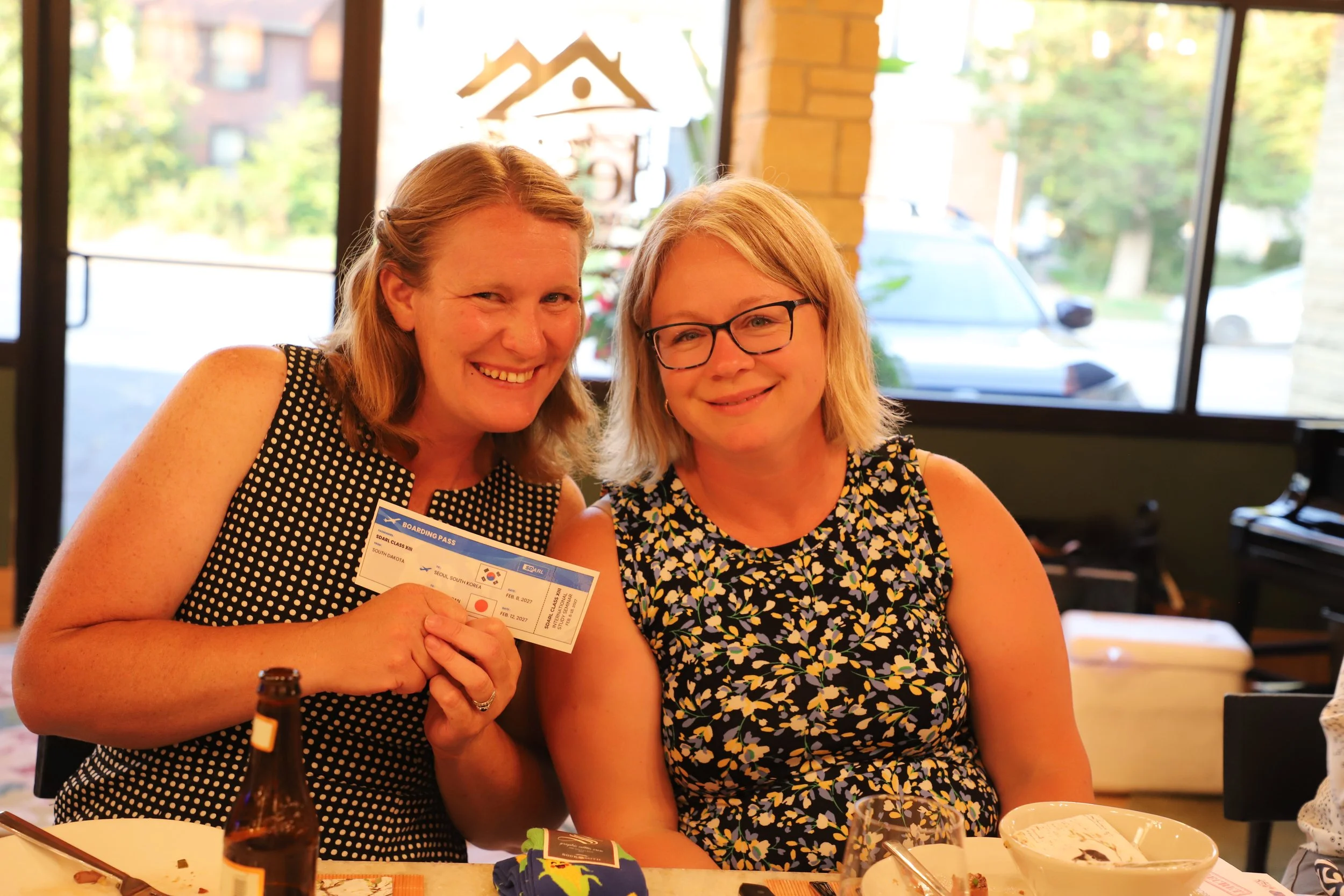
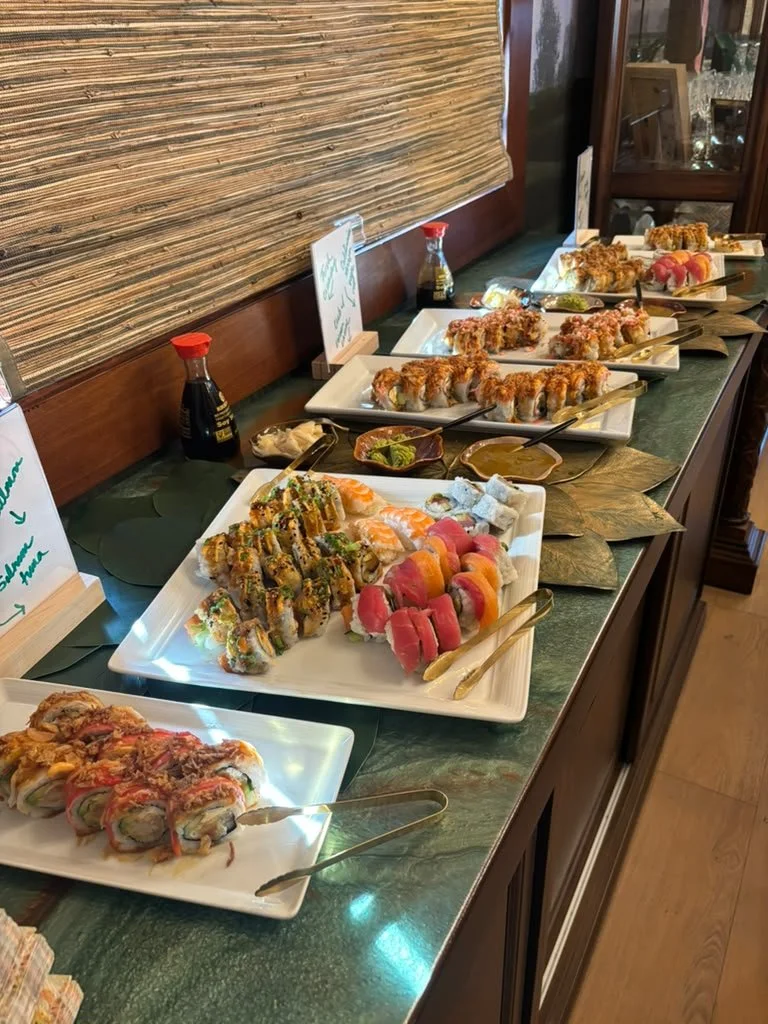
Class XIII wrapped up Day 1 at the Green Room for an interactive team-building dinner that combined physical collaboration with an unforgettable announcement. The cohort put on their socks to prepare a Japanese-themed meal, which included participating in Ashi-Fumi, the traditional practice of kneading thick Udon noodle dough using their feet. After an amazing Japanese-themed supper, the big news was announced: Class XIII will be traveling to South Korea and Japan for our international study seminar!
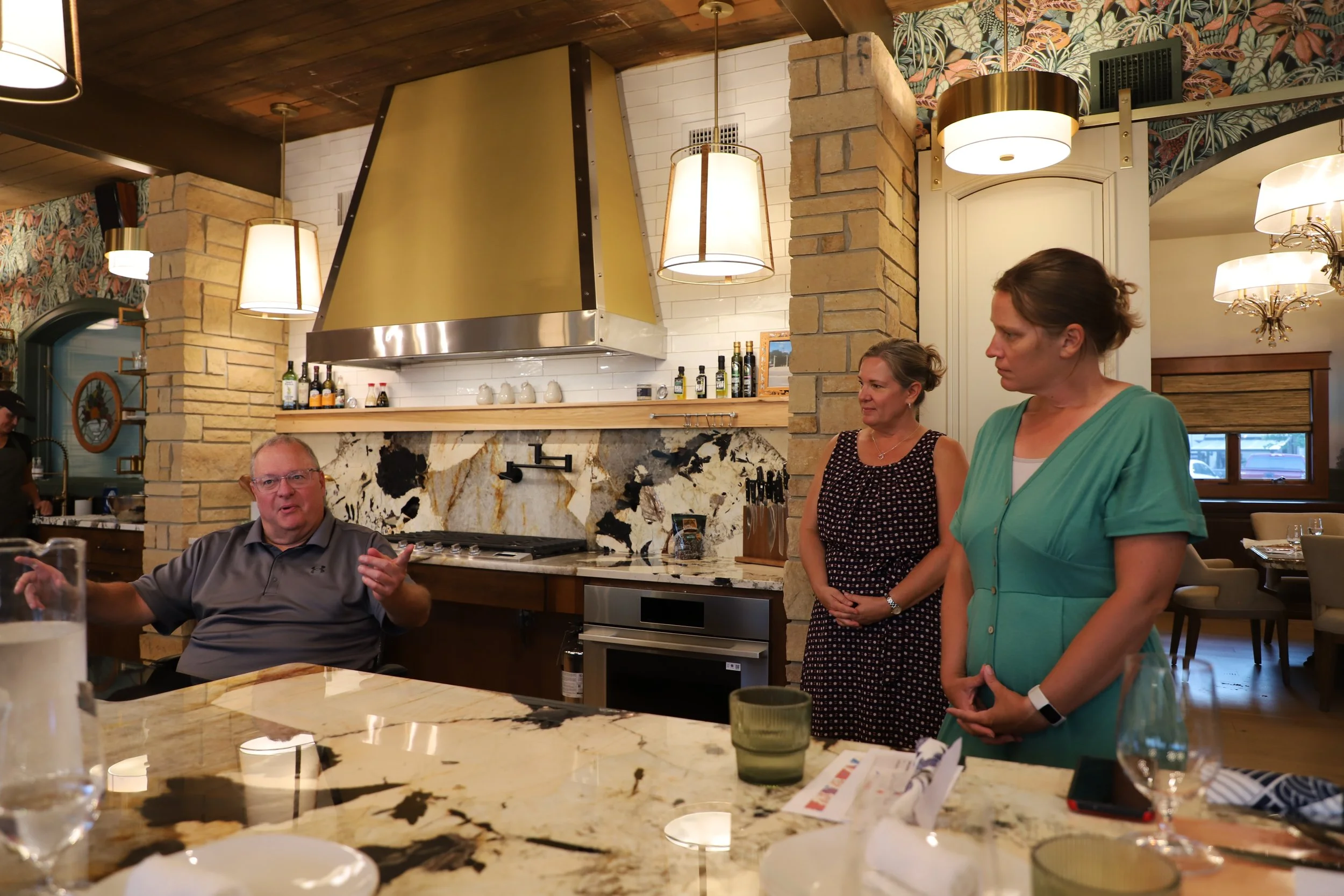
Following the culinary teamwork, Seminar Team Leader Marty Michalek delivered his public speaking presentation, sharing a fascinating history of the frontier chuck wagon and explaining how he continues to operate an authentic chuck wagon in his personal life today. The evening closed with structured reflections on agricultural credit risk and lending, and community infrastructure, leaving Class XIII eager to explore what Day 2 has to offer.
Day 2 – July 8, 2026
Day 2 shifted the focus toward long-term preparation, regional economics, and the personal commitments of leadership. The morning kicked off with Class XIII Team Time, where the cohort received an exciting preview of the travel logistics and rough itineraries for the upcoming international study seminar to South Korea and Japan this February. Jennifer and Janelle shared valuable stories and personal reflections from past international SDARL journeys to help the class prepare. The internal business of the class was also top of mind as the group mapped out the process for the Class XIII president election occurring in Seminar 9, brainstormed fundraising expectations for the Class XII auction on April 2, 2027, and explored post-graduation alumni involvement opportunities for when the cohort officially concludes.
Seminar Team Leader Sheena Larsen then delivered her public speaking presentation, focusing on her professional experiences in rural economic development. Larsen provided an inside look at how development offices support local businesses, the inherent challenges of balancing diverse community interests, and the importance of cross-community collaboration to achieve regional growth.
The morning transitioned into a focused workshop on board membership led by Janelle, which analyzed board dynamics from the dual perspectives of active members and organizational staff. Class members currently serving on local and state boards drove high engagement throughout the session, sharing firsthand experiences and practical strategies for leading a board successfully. The discussion highlighted that effective service requires thorough due diligence before joining and described ways to maximize your value as a high-impact board member and leader. Ultimately, the class concluded that successful governance must focus on guiding long-term strategy and cultivating a future leadership pipeline, while carefully avoiding the micromanagement of the organization.
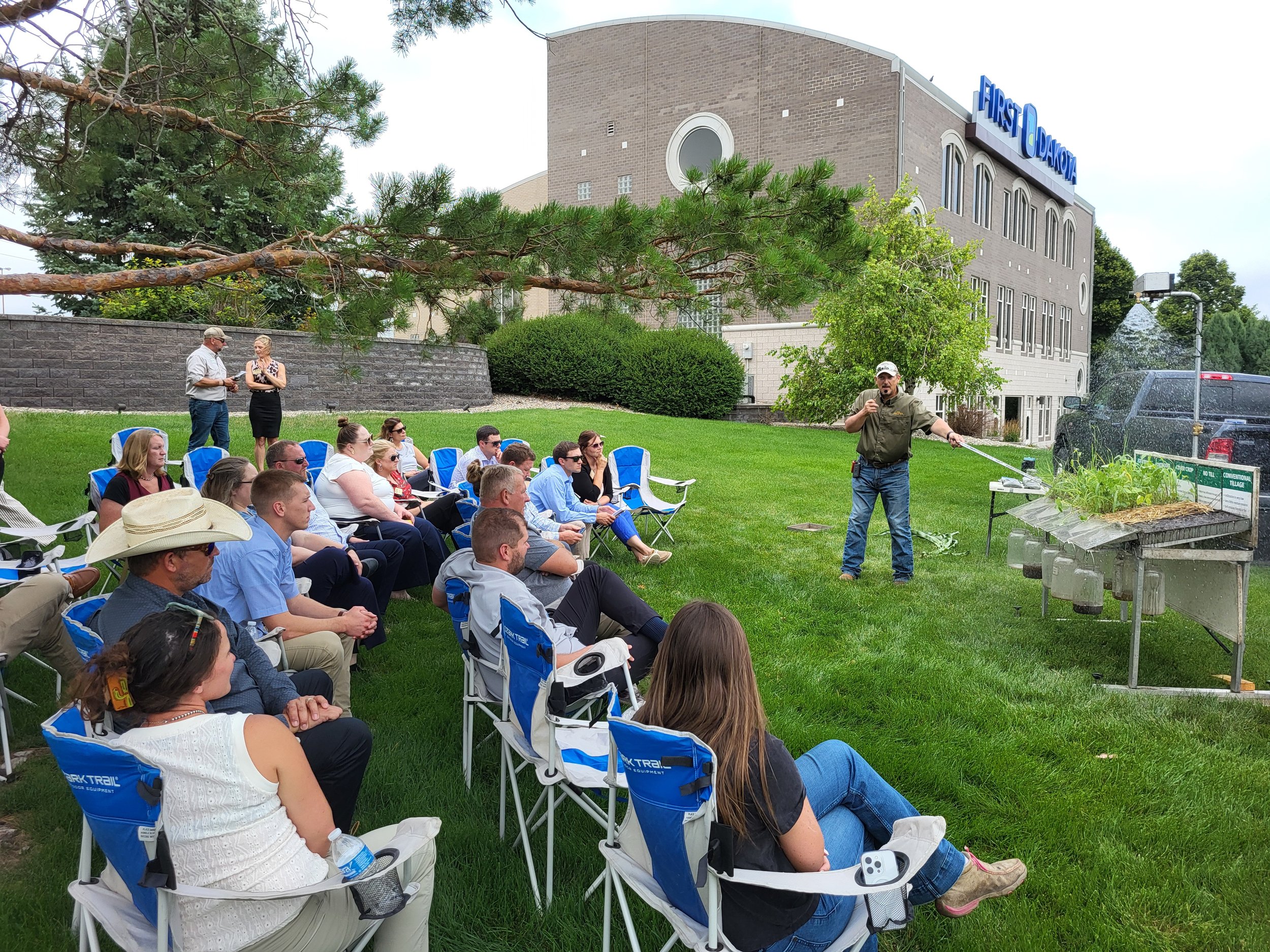
Next, Class XIII stepped outside for an interactive soil health workshop led by Natural Resources Conservation Service Area Resource Conservationists Shane Jordan, Craig Veldkamp, and Jay Hermann. Jordan opened by defining the core tenets of soil health, connecting federal and state conservation programs directly to the long-term stability of the global food supply. Veldkamp introduced the class to the Web Soil Survey tool, detailed the properties of South Dakota's official state soil, Houdek, and conducted a live soil slake test demonstration to prove how structural integrity directly affects soil productivity.
The presentation delivered eye-opening realities regarding how soil biology has degraded over time, shifting to a discussion on how products like compost and biochar can restore essential nutrients. To anchor the technical data, Hermann operated a live rainfall simulator, providing visual proof of how different farming and ranching management practices impact water retention and accelerate or prevent erosion. The demonstration sparked heavy engagement from the production agriculture members of the cohort, who brought forward excellent questions regarding the logistics of scaling these five core soil health principles profitably and at a manageable scale.
In the afternoon, the cohort boarded the bus, joined by Laurie Cooper, Director of Operations, and David Lambert (Class V), Regional Development Director, of the Mitchell Area Development Corporation, for a firsthand look at value-added entrepreneurship and local economic contributors to the area.
Stop 1: TW Angus Ranch
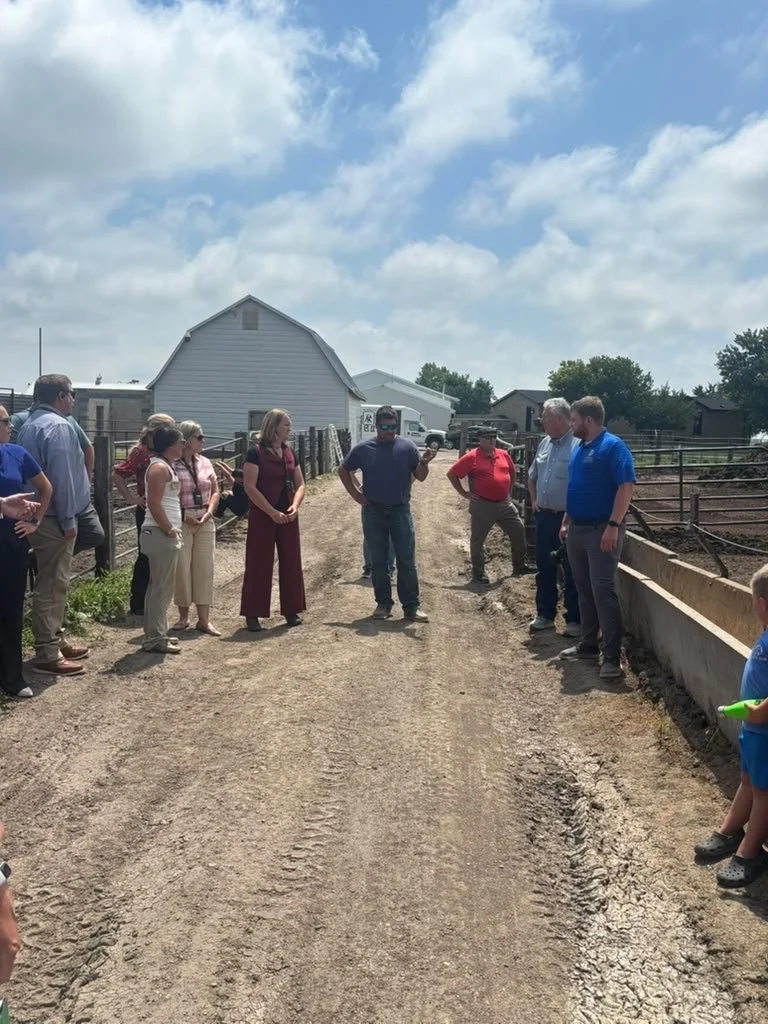
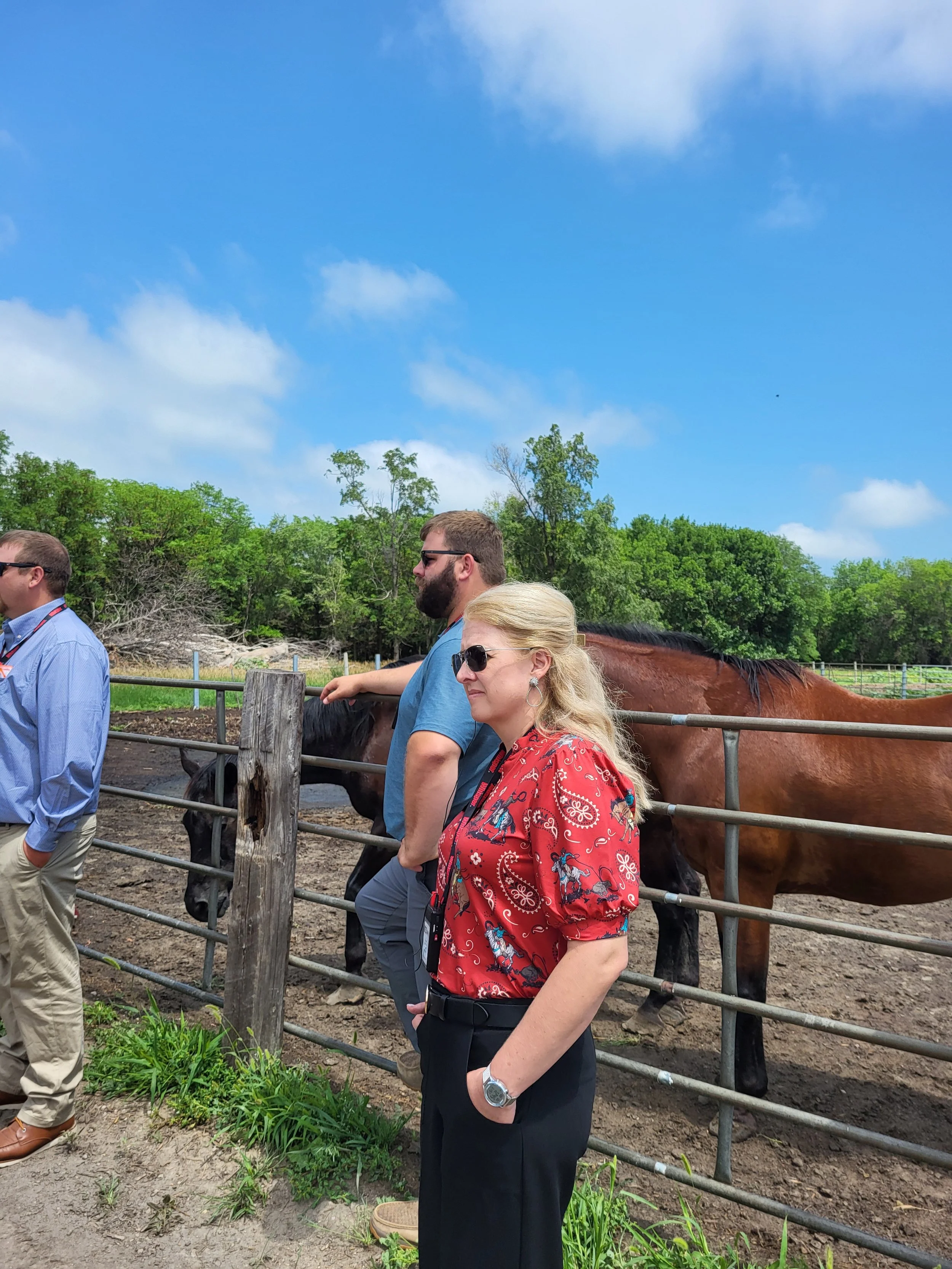
Tate and Calli Williams hosted the class at their direct-to-consumer beef operation. Having started with zero cows, the couple explained their strategic pivot away from traditional marketing channels after realizing they weren’t capturing the full value of their cattle. By prioritizing elite herd genetics and leveraging social media as their primary marketing engine, they successfully built a premium, independent brand that serves their local and state communities. Over a phenomenal brisket sample, Calli also reflected on how her previous leadership development experiences directly shape her day-to-day business choices and agricultural advocacy.
Stop 2: Mitchell Technical College
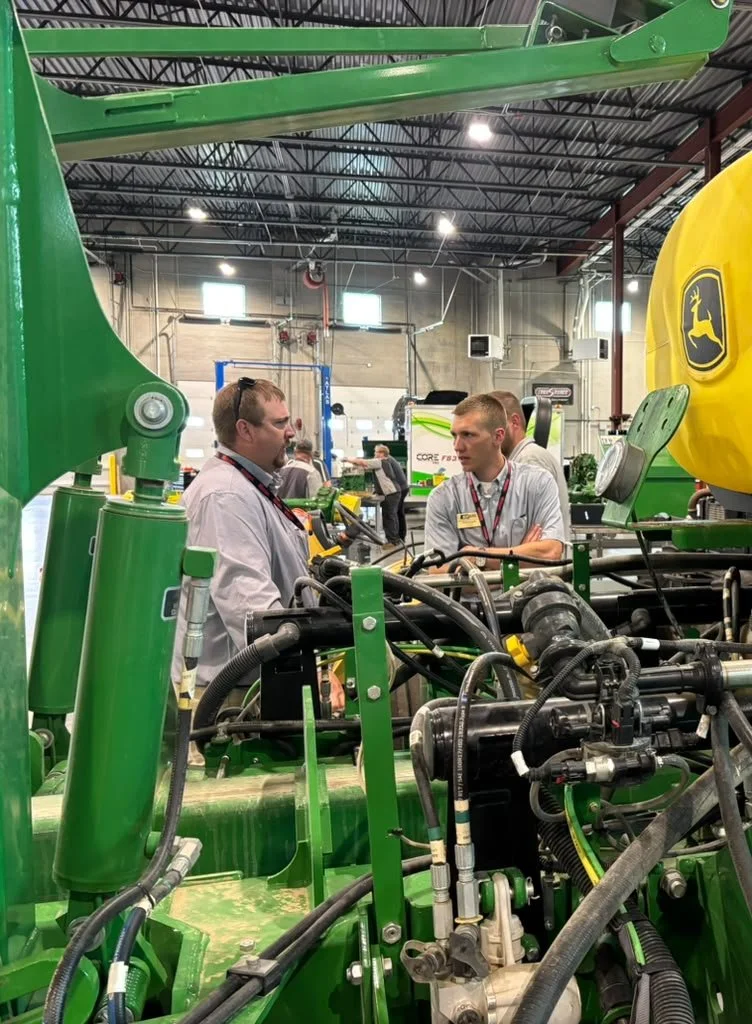
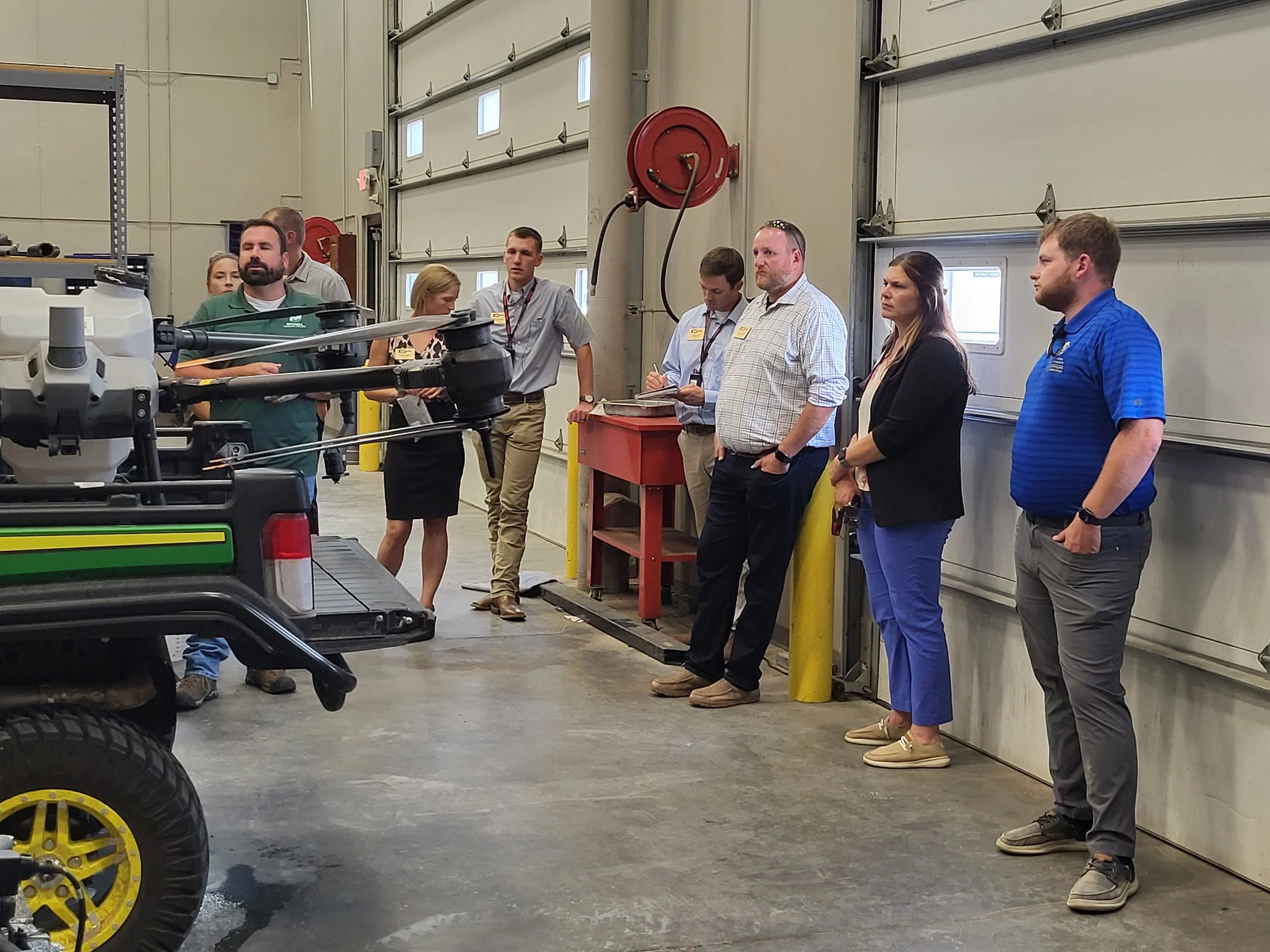
Madison Blasius, Director of Admissions, and Devon Russell, Precision Ag Technology Program Coordinator, guided the class through MTC's modern ag facilities. Highlighting their agronomy, ag business, precision ag, and animal science programs, MTC focuses on immediate, hands-on exposure to real-farm scenarios and machinery. A particularly unique highlight was the Diesel Lab, where students are encouraged to bring in and repair their own farm equipment, a tactical approach that fosters deep, personal investment in the educational material.
Stop 3: Farm Life Creamery
Near Ethan, SD, high-energy entrepreneur Laura Klock introduced Class XIII to her diversified family farm. Utilizing their own Holstein dairy herd, the operation processes farm-fresh milk, cheese, and ice cream. Like TW Angus, the business was born out of a desire to bypass traditional commodity pricing and capture direct retail value. Klock detailed the intense environmental and regulatory hurdles she had to navigate while building the business, noting how she successfully expanded the operation into an agritourism destination by adding entertainment features like mini golf and a petting zoo. The class beat the summer heat by sampling the creamery’s signature handcrafted ice cream.
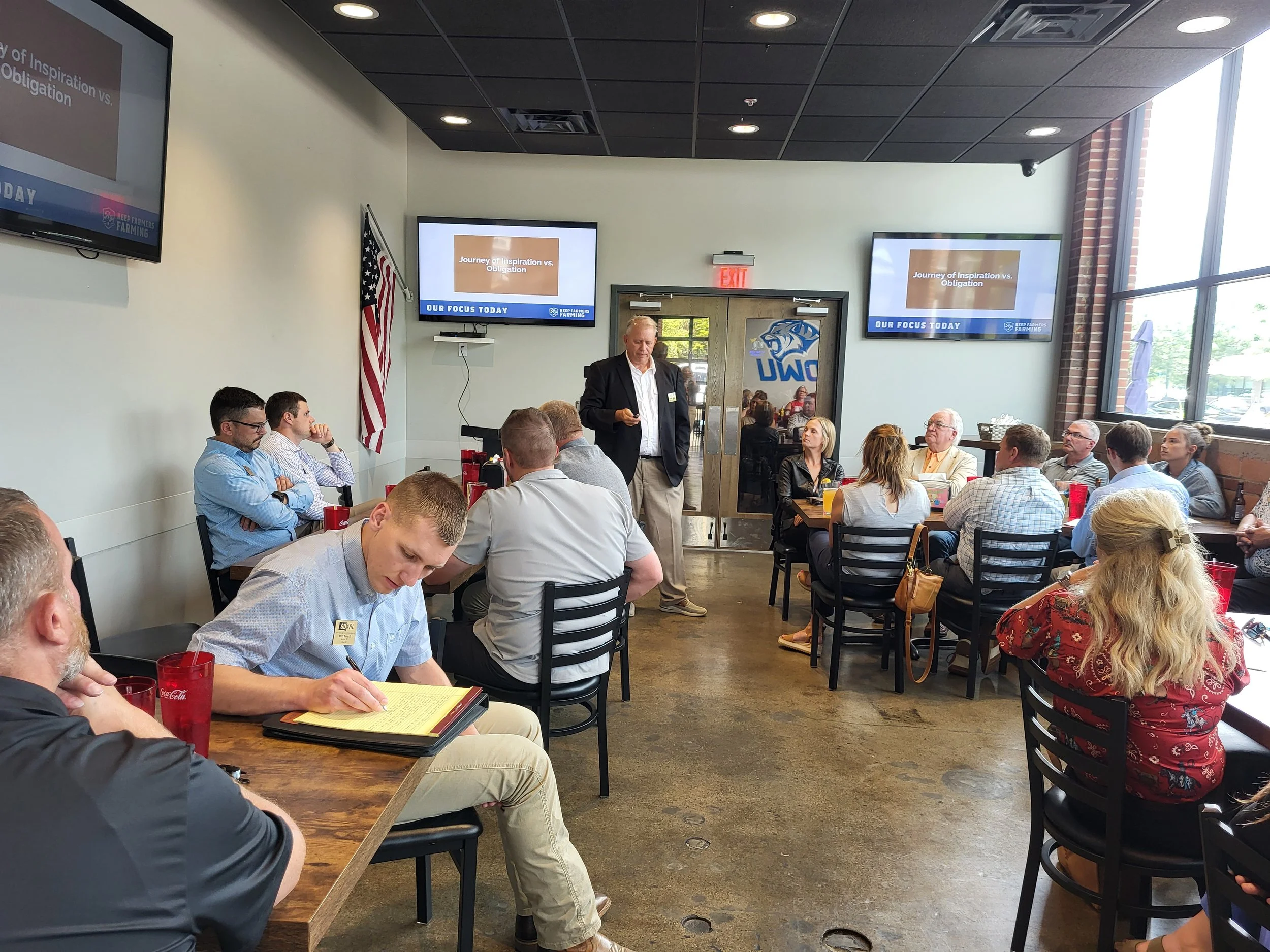
The evening paired deep reflection with relaxed networking at Bradley’s Pub & Grille, where Class XIII joined local SDARL alumni to hear from Alan Hojer (Class VII) of the Keep Farmers Farming program of the South Dakota Ag Foundation. Hojer delivered a powerful, emotionally resonant address regarding the critical reality of farm transition and succession planning. He traced the stark consolidation of farming operations over the last 50 years, emphasizing the devastating economic and social toll that declining numbers of local farm families can cause on rural “Main Streets.”
Hojer challenged the class to reframe the conversation entirely, moving families away from the obligation of legal estate planning and toward the inspiration of a holistic transition plan. He outlined his structural formula for succession – examining History (looking back), establishing Vision (looking forward), and developing Strategic Execution – while detailing his six core disciplines: Vision, Giving & Receiving, State of Mind, Perspective, Family Leadership, and Proper Relationship.
Addressing a common industry phrase, Hojer noted that while “equal does not always mean fair” in production agriculture, the paramount goal is for parents and owners to find ultimate peace with their decisions, letting family equity dynamics resolve from a place of clarity. He left the class with a phrase that resonated deeply with the cohort: “Without vision, we will perish.”
To wrap up an intensive day, the class headed to Bullseyes & Birdies for a casual axe-throwing social. The competitive, lighthearted evening allowed the cohort to let off some steam, digest the heavy emotional weight of the succession discussions, and continue cementing the lifelong relationships that anchor Class XIII.
Day 3 – July 9, 2026
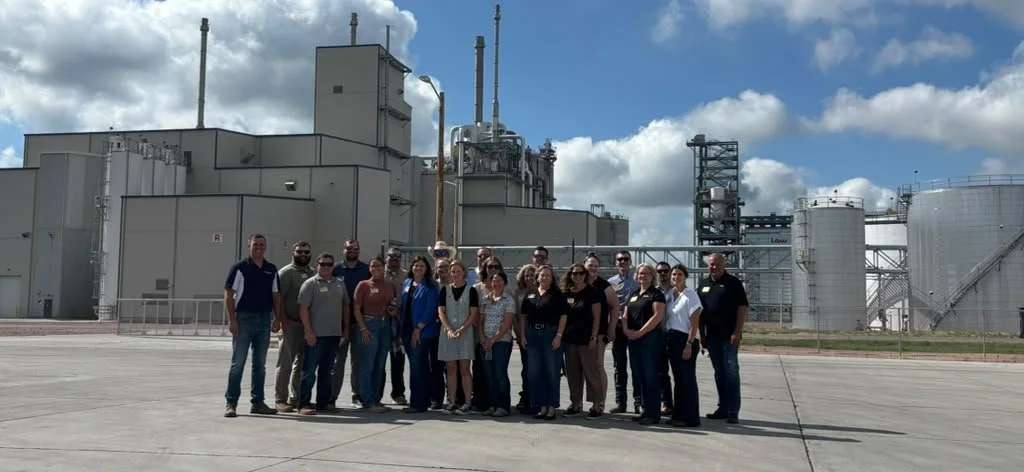
The morning commenced south of Mitchell at the newly constructed High Plains Processing soybean crush plant. Class XIII was greeted by Brandon Hope (Class XI and SDARL Board of Directors) and Pat Gathman, General Manager of the facility.
Gathman provided the cohort with an overview of the plant’s daily processing capacities, detailing how the state-of-the-art facility was constructed and brought online quickly and within its designated budget. Throughout his briefing, Gathman emphasized that operational safety stands as the plant’s absolute highest priority. He then delved into executive leadership strategies for attracting and retaining top-tier talent, noting that successful organizations must:
Create a Great Culture: Establish an environment where people want to come to work.
Provide Career Pathways: Offer employees clear opportunities to build a long-term career rather than just filling a job.
Invest in Development: Actively work as a leader to invest in and develop the individuals on your team.
After Gathman and Hope shared physical product samples currently being produced and marketed by the plant, Chelsie Bickel, Crush Manager, led the class on a comprehensive tour of the operation. Bickel guided the cohort through every phase of the facility's industrial workflow, including product receiving and loading, drying, processing, refining, and the quality control product laboratory. Her visible joy and enthusiasm for her role served as a firsthand example of the positive workplace culture the leadership team has established.
Following the plant tour, Class XIII returned to First Dakota and transitioned from industrial infrastructure to procedural infrastructure. Tiffany Sanderson, President, Lake Area Technical College, and SDARL Board of Directors, opened the leadership workshop by challenging the class to collaborate on what functions effectively, and what fails, within a board environment. The class identified that a good board requires: a highly effective chairperson, mutual respect among all members, active engagement and involvement, and thoroughly prepared board members.
Serving as a direct follow-up to Day 2’s governance focus, the interactive workshop provided a deep dive into parliamentary procedure as a mechanism for order and fair process. The cohort was challenged to work through a realistic scenario detailing how a board chair and directors should properly handle a proposed meeting agenda. Sanderson walked through the chart of permissible motions, explaining exactly how each motion should be utilized and how floor debates should be managed. The class then split into practical application groups, with each table operating as an independent board complete with a designated chair to execute an actual motion example.
Sanderson closed by reinforcing that parliamentary procedure is a vital tool because it successfully removes personal emotion from meetings and debates. Mastering and polishing these specific communication skills will serve as an invaluable asset for Class XIII members as they step into leadership roles within community and industry boards.
During lunch, the seminar incorporated a structured “Classmate Connections” exercise. Class members were paired one-on-one for intentional, dedicated conversations to get to know one another on a deeper personal level. While individuals naturally form close ties within small circles, this exercise pushed members to open up to peers outside of their usual comfort zones, successfully strengthening the broader cohort culture and ensuring the group grows collectively.
The final block of the seminar was dedicated to Class XIII debriefing and reflection. The cohort noted that Seminar 6 generated an exceptionally high level of classmate engagement. Every participant left Mitchell with immediate, actionable insights to implement within their agricultural operations, corporate professions, and rural communities.
Class XIII officially adjourned Seminar 6, looking forward to reconvening for Seminar 7 in Wall, SD, this August.
By Seminar Reporter Walker Sik
Special thanks to Seminar Team Leaders Sheena Larsen and Marty Michalek