Civic Engagement in Pierre
Day 1 - February 10, 2026
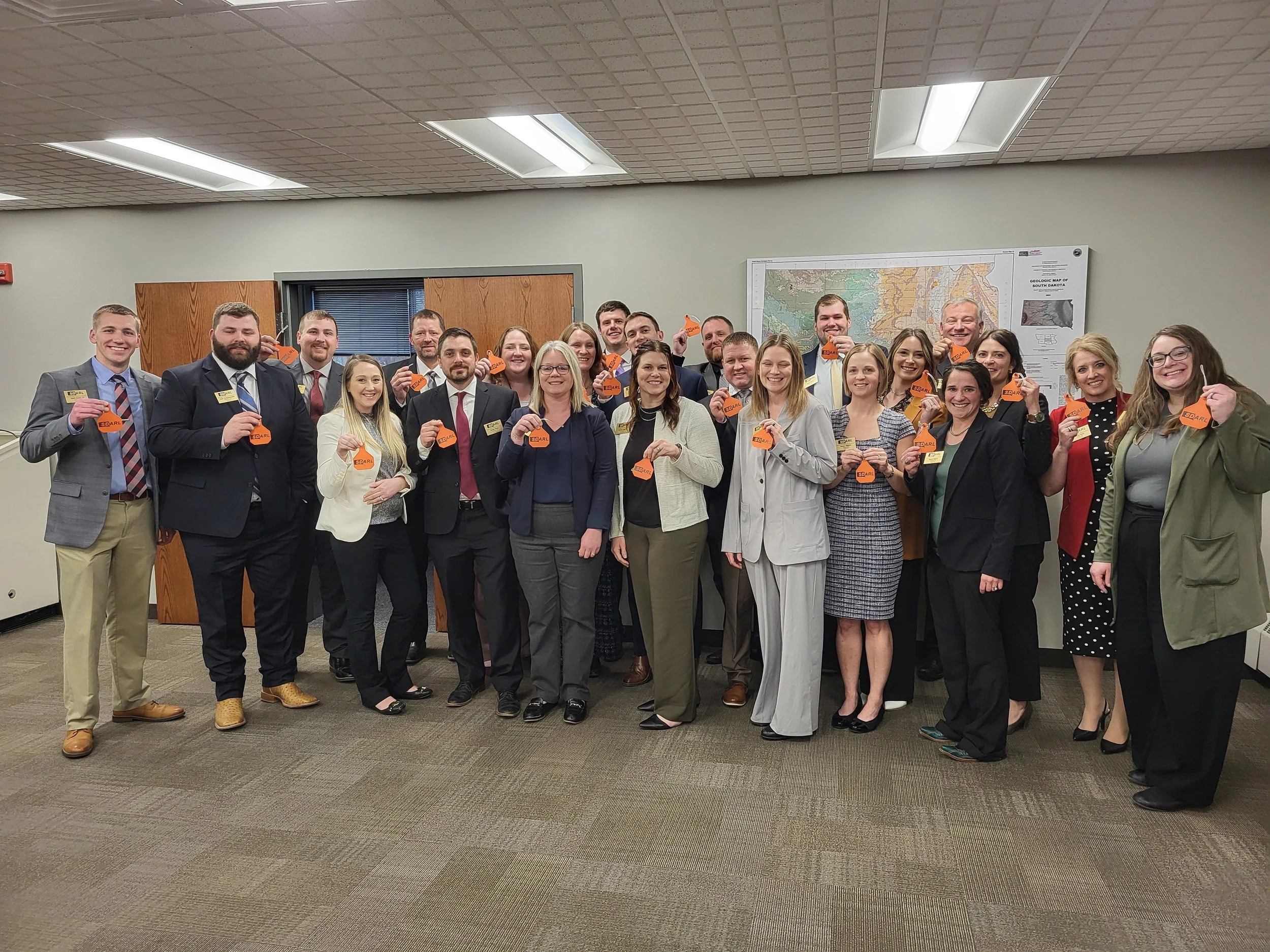
SDARL Class XIII convened in Pierre to begin the State Government Seminar, centered on the theme of civic engagement. As the program progresses, the focus continues to shift beyond self-discovery and into the realm of leading alongside others – strengthening skills in communication, relationship-building, and public advocacy. This seminar challenged the class to consider a fundamental question: How can agricultural leaders use their voices to influence public policy and advocate for the topics they care about?
The day opened with a group exercise using the Pew Research Center's Political Typology quiz, in which each class member explored where they fall on a political spectrum. Class XIII compared its collective profile to national averages, sparking candid conversations on topics ranging from the size of government and trade policy to immigration and foreign policy. The exercise reinforced a principle central to SDARL's mission: good leaders listen to different perspectives. Understanding where others stand – and why – is the foundation of meaningful civic engagement.
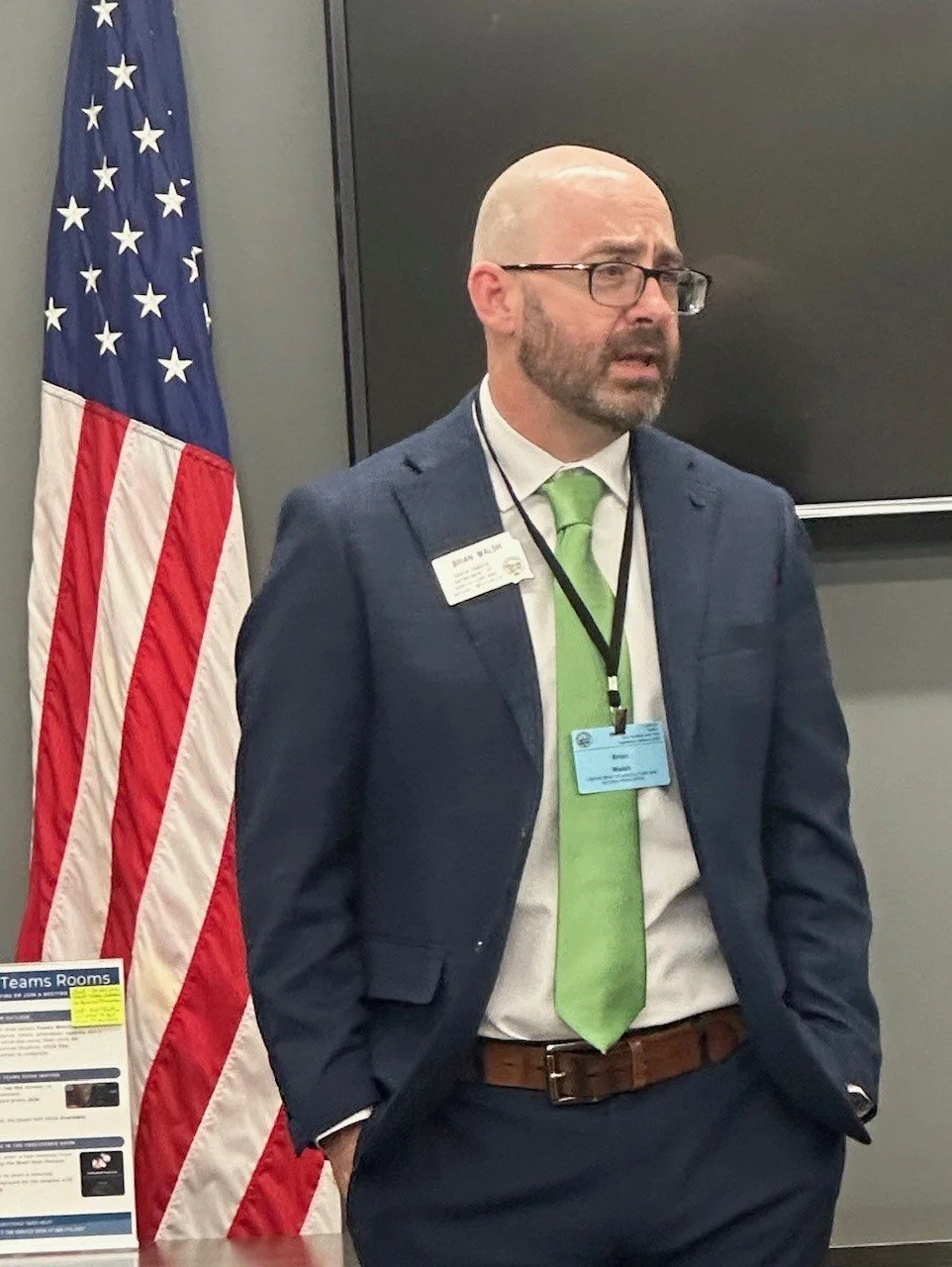
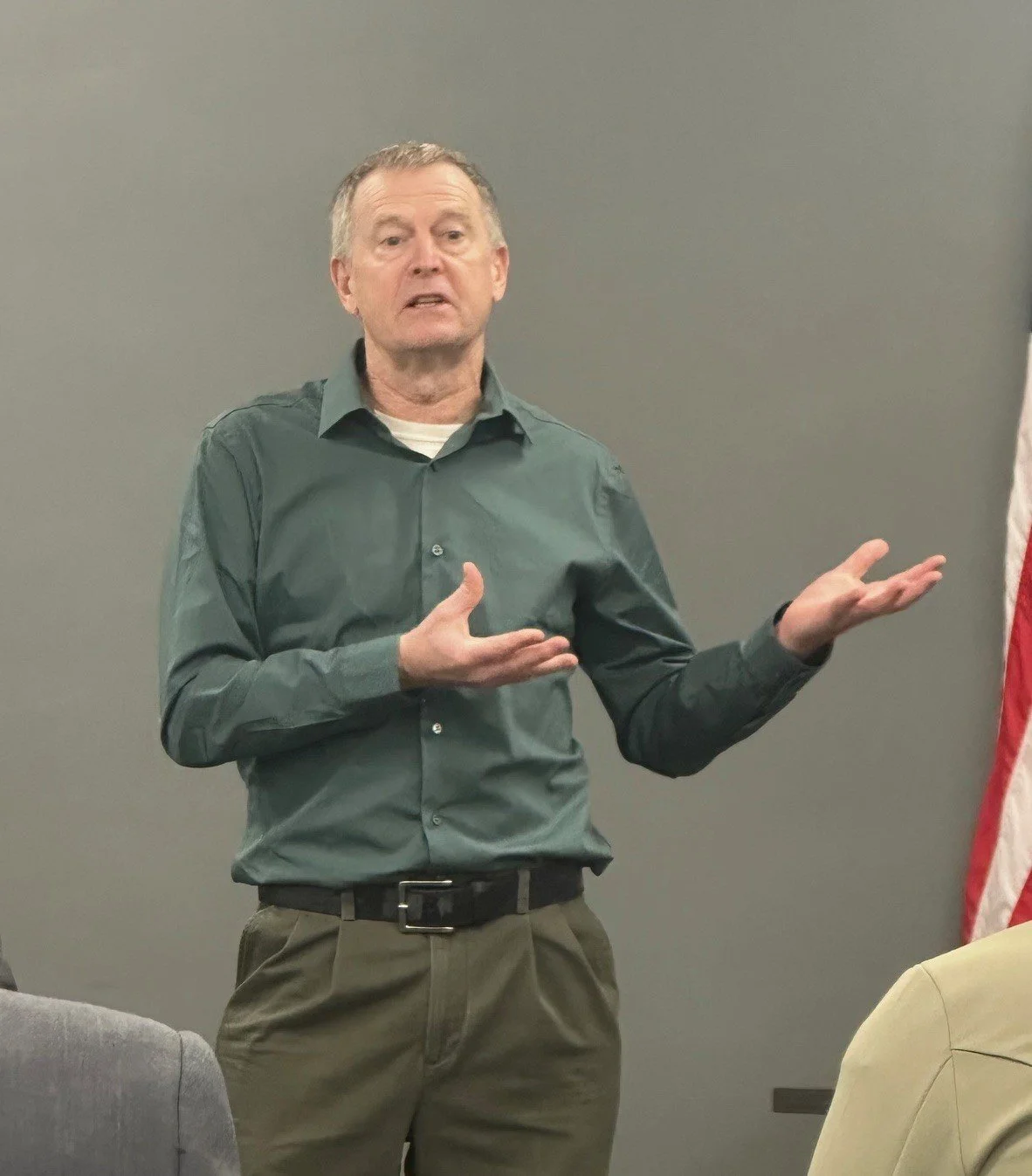
Following the typology discussion, Brian Walsh (Class XII), Deputy Secretary of the Department of Agriculture and Natural Resources, took the floor. Walsh explained the mission and vision of the agency and offered a window into the current legislative session. He walked the class through six bills the department is advancing this year, giving practical context to the lawmaking process. Walsh also provided valuable tips on how to monitor bills online and how to effectively lobby for the issues we care about. His guidance gave class members a clear path to becoming active participants in South Dakota's legislative process.
One sentence from Walsh's presentation resonated throughout the room: “Good policies make good politics.” It was a succinct reminder that effective leadership in the public arena starts with sound, well-reasoned ideas, not partisan maneuvering.
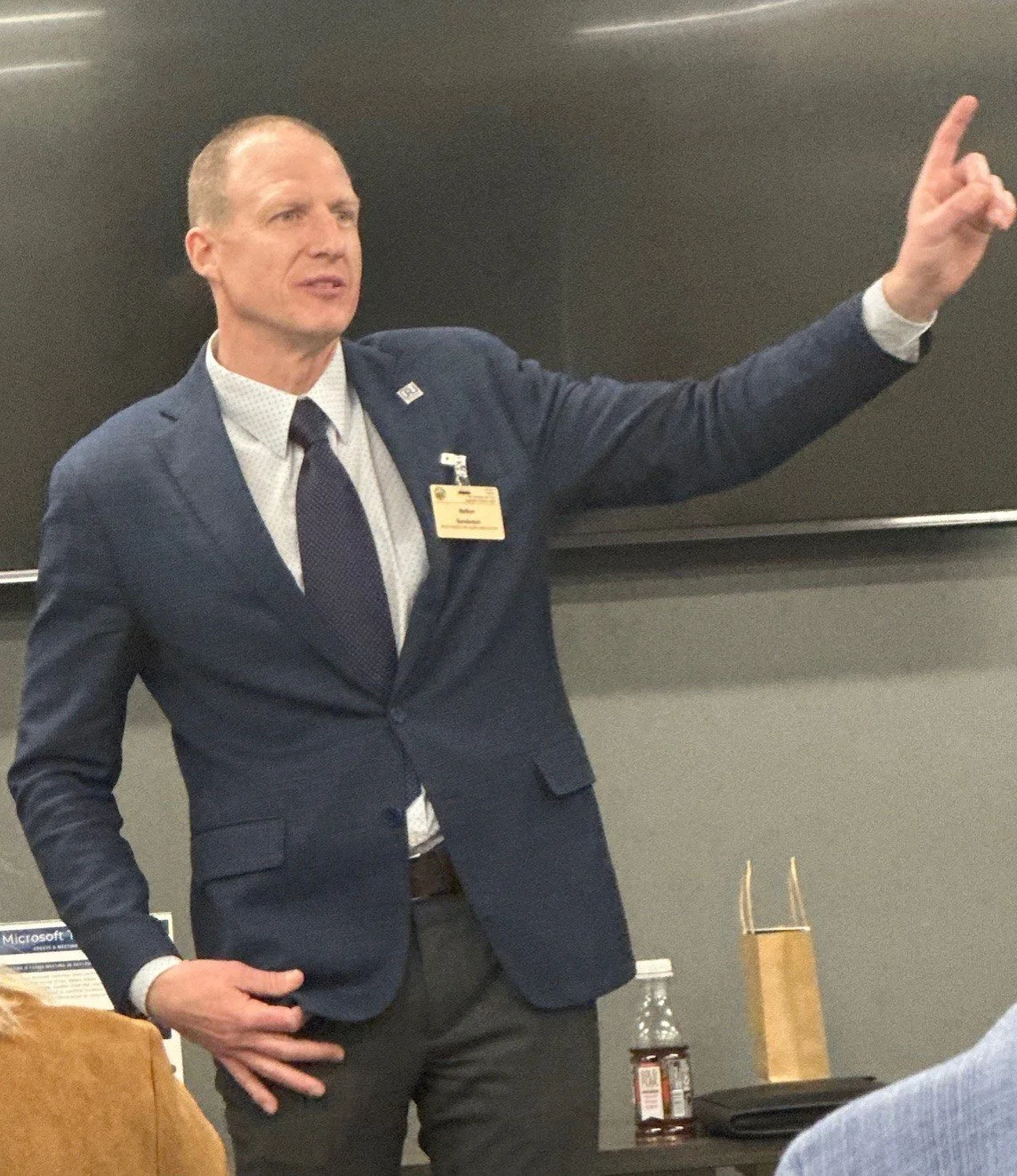
The afternoon brought Nathan Sanderson, Executive Director of the South Dakota Retailers Association, who delivered an outstanding overview of lawmaking in South Dakota. Sanderson described what makes South Dakota's legislative process distinctive – and, in many respects, better than other states. He highlighted key advantages such as the process speed, every bill can only address a single subject, and every bill receives a hearing. Sanderson also shared how his organization lobbies to keep South Dakota a great place to do business, championing low taxes and reasonable regulations.
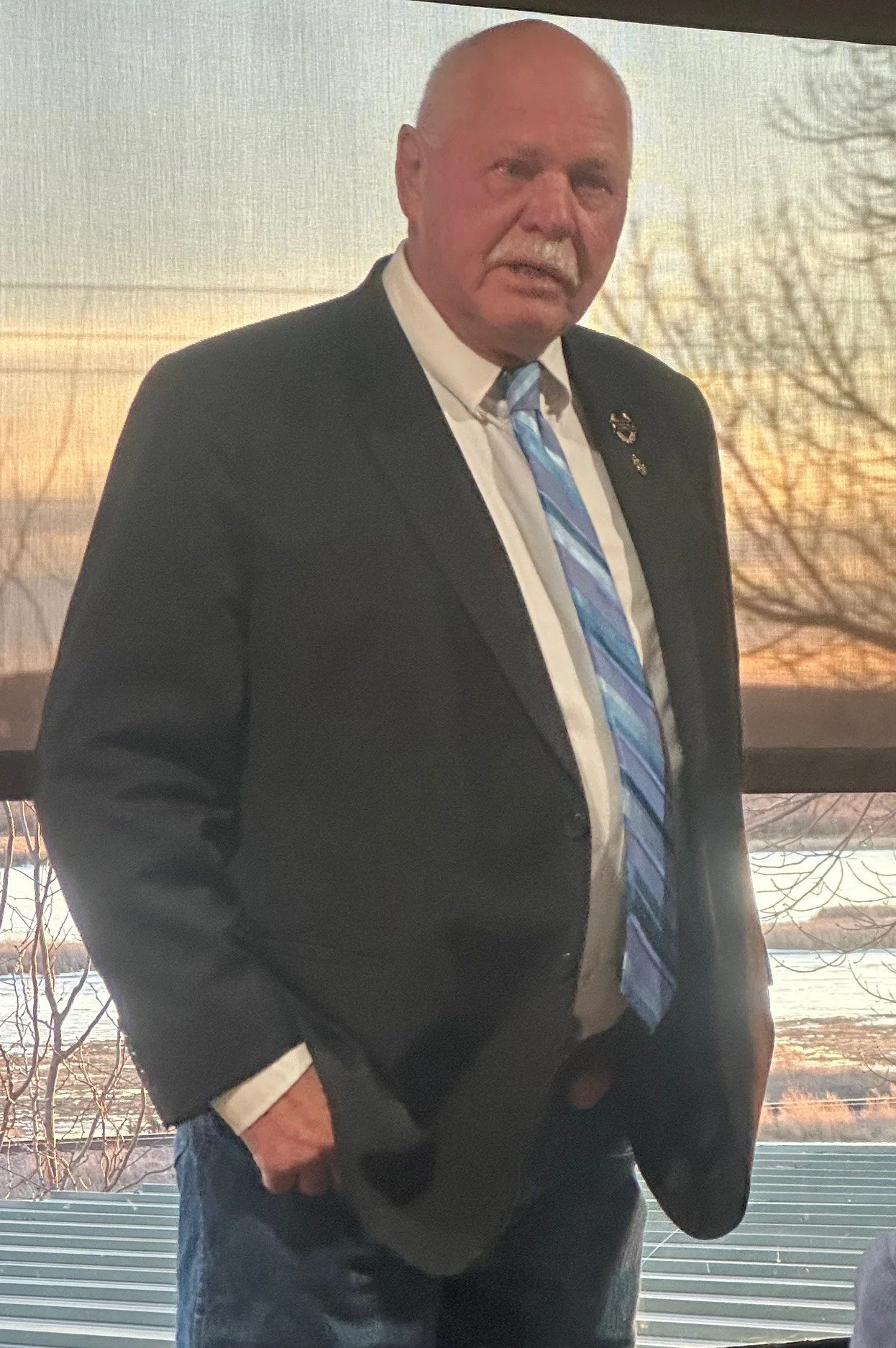
The evening shifted to the Cattleman's Steakhouse, where the class was joined by SDARL alumni and guest speakers. Craig Schaunaman and Mike Jaspers (Class IV) shared their experiences running for office as young legislators and how their time in Pierre became a springboard for future leadership positions across the state. A keynote panel followed, featuring Gary Cammack (Class I), who served as a Representative and Senator, and J.D. Wangsness (Class VI), who served as a Representative. Together, they shared leadership skills and offered practical wisdom shaped by years of service.
Speakers’ stories throughout the day reinforced that leadership in the public arena is about showing up, serving with integrity, and building relationships to positively impact South Dakota. As Gary Cammack put it plainly, “You can't be a force of one.” Success in Pierre depends on the relationships you build and the trust you earn.
As the day came to a close, Class XIII left the dinner with a new understanding of what civic engagement means and that it is not reserved for politicians or lobbyists; it belongs to every South Dakotan citizen.
Day 2 - February 11, 2026
If Day 1 was about learning the mechanics of civic engagement, Day 2 was about experiencing it firsthand. Class XIII stepped out of the classroom and into the halls of the State Capitol, witnessing South Dakota's legislative process in action and engaging directly with the leaders who shape it.
The morning began early with committee hearings at the Capitol. After spending the previous day learning how bills move through the system, watching that process unfold in real time brought the lessons to life. The experience gave the class a deeper understanding and appreciation for the work that goes into every piece of legislation.
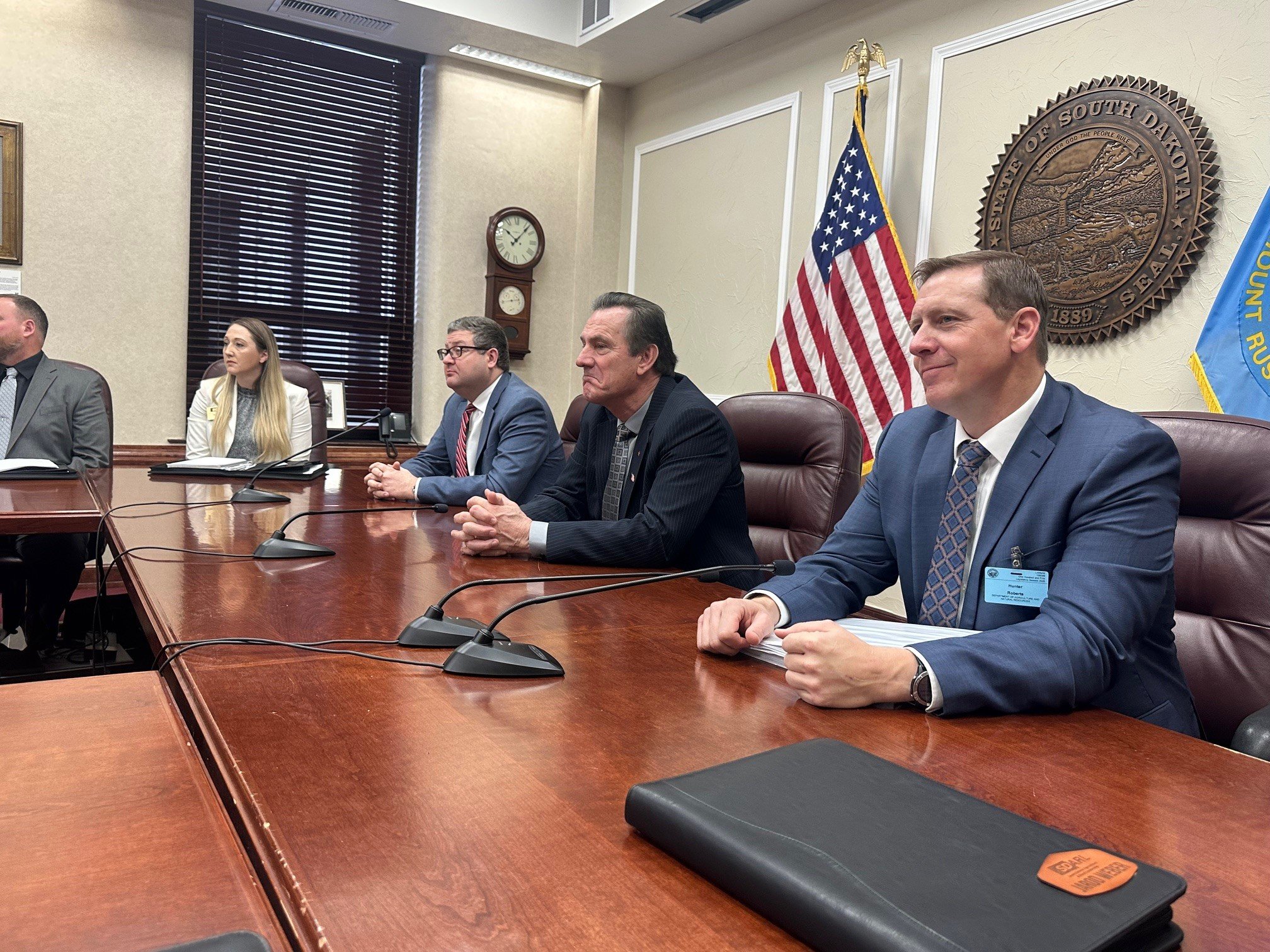
The highlight of the morning was a meeting with Governor Larry Rhoden, Lieutenant Governor Tony Venhuizen, and Secretary of Agriculture Hunter Roberts. The conversation centered on the critical importance of agriculture in South Dakota, with the Governor emphasizing a powerful point: food security is national security. The three leaders discussed their leadership styles, how they align their views, and how they work together to better the state. A recurring theme from this seminar surfaced once more – the importance of networking, relationships, and building trust. Governor Rhoden also offered a straightforward but memorable piece of advice: to find opportunities, don’t just wait for doors to open – check the doors around you and see which ones are unlocked.
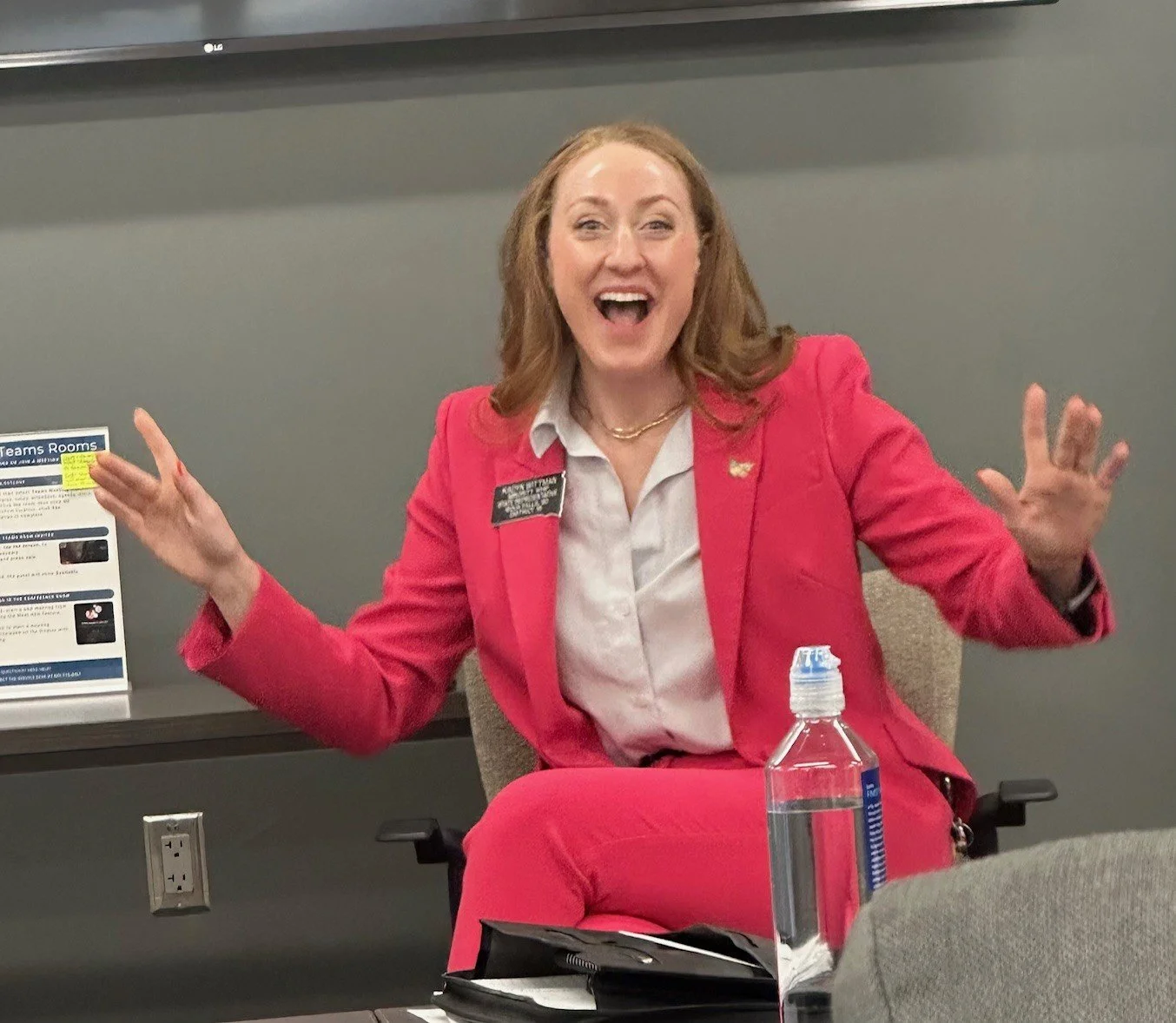
The class was joined by Representative Kadyn Wittman and Senator Sydney Davis for an energetic working lunch. Both legislators provided candid insight into how they became involved in public service, what the experience is like day to day, and the leadership skills they have developed along the way. Their enthusiasm was contagious, and the conversation left the class with a sharper sense of what it takes to serve.
Later, Secretary of Agriculture and Natural Resources Hunter Roberts sat down with the class for an extended and deeply insightful session. Roberts encouraged the class to keep the bigger picture in mind and focus on the long-term benefits that today’s decisions will bring to South Dakota. He offered a fascinating look at what it is like to serve under multiple government administrations and how each brings a different leadership style. His advice was direct and practical: be lifelong learners, seek out mentors and be one yourself, and above all, be a problem solver. One phrase from the Secretary resonated deeply: “Hard things can be the most fulfilling.”
After lunch, the class walked to the Capitol to observe proceedings on both the House and Senate floors, including live votes. What struck the class most was how accessible the entire process is to ordinary citizens – from attending hearings to testifying before a committee. South Dakota's legislative system invites participation, and witnessing it up close left many in the class positively surprised at how straightforward it is to make your voice heard.
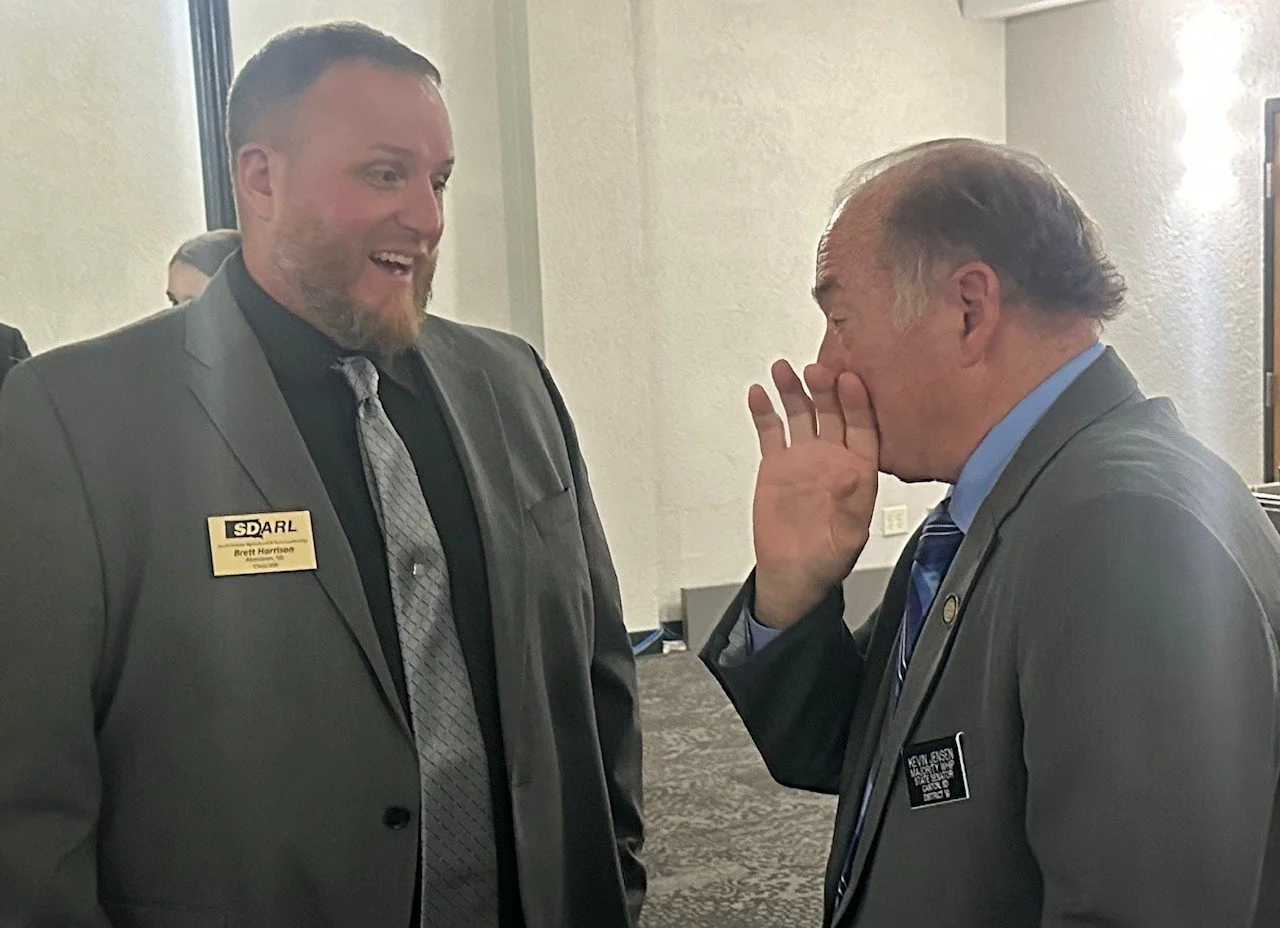
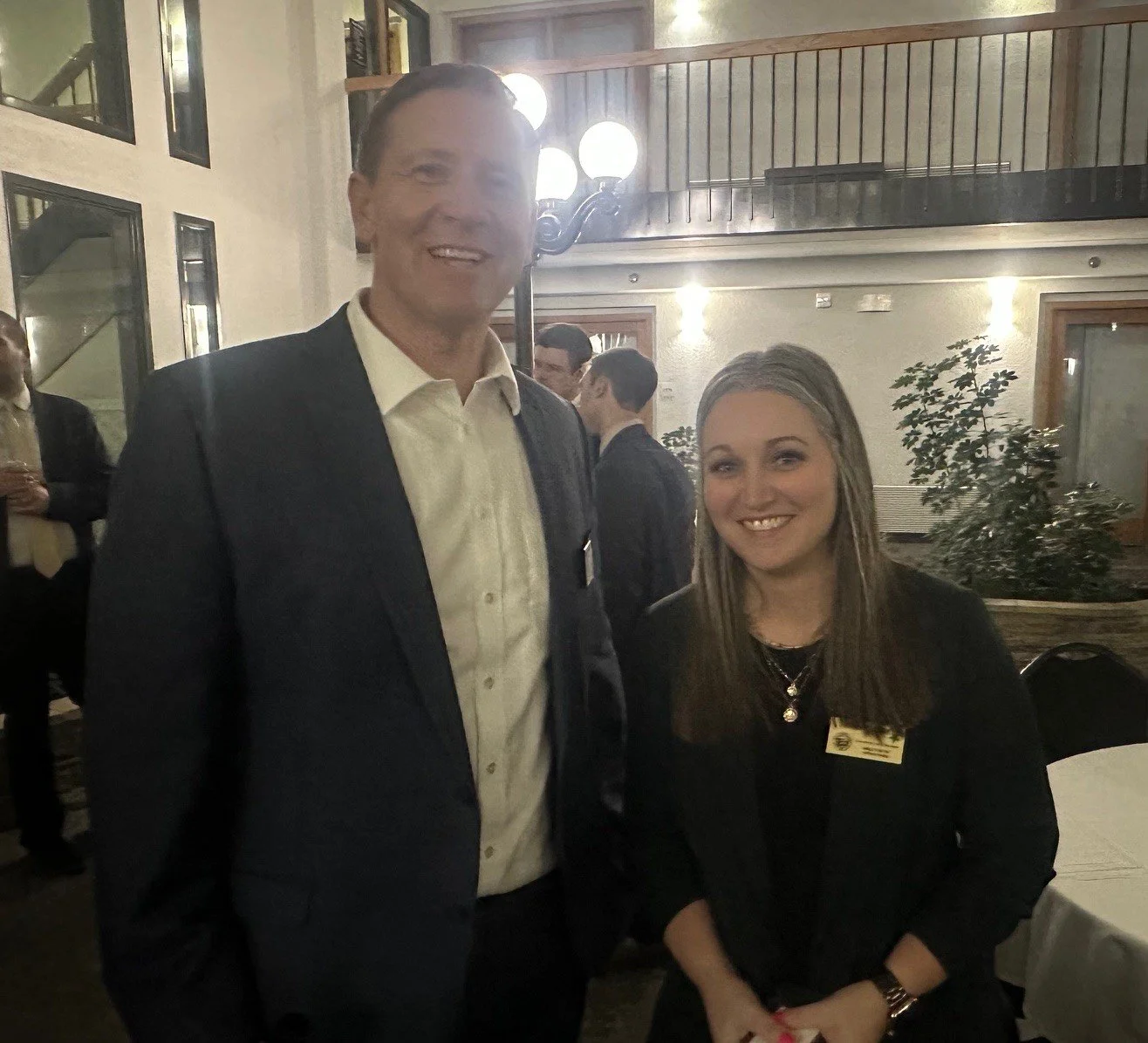
Registered lobbyist Rob Skjonsberg then led a discussion on the role of lobbying in the political process. The conversation centered on current hot-topic legislation, but what stood out was Skjonsberg's genuine interest in hearing from the class – he was as eager to listen to our opinions as he was to share his own. That exchange carried into the evening with a SDARL legislative social, where class members continued with deep, one-on-one discussions with legislators.
Looking back on the day, the progression from Day 1 to Day 2 felt natural and powerful. Where yesterday laid the foundation – teaching us the structure and strategies of civic engagement – today put us in the middle of it. Class XIII did not just learn about South Dakota's government; we walked its halls, watched its leaders govern, and engaged with them face to face. It was an extraordinary day of learning, and a powerful reminder that civic engagement is not something you study from a distance – you participate in it.
Day 3 - February 12, 2026
The final day of Seminar 3 was shorter than the first two, but the depth of learning never wavered. Class XIII closed out the Pierre experience, returning to the Capitol one more time before shifting to department briefings and a meaningful class reflection.
The morning began with another round of committee hearings. Where the first visit had been an introduction, this return gave class members a chance to observe with sharper eyes and a deeper understanding of the legislative mechanics at work.
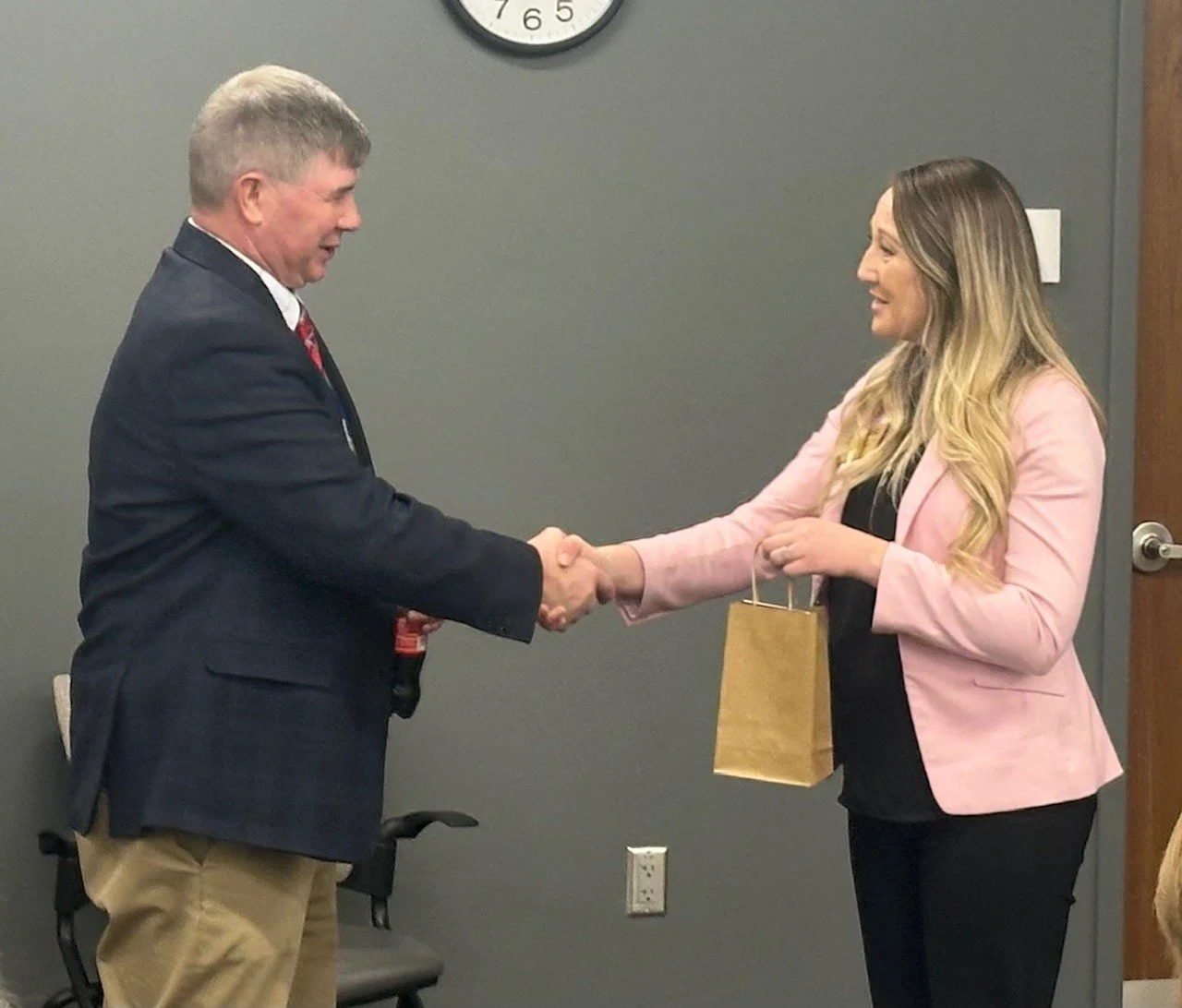
Next, Dr. Mendel Miller, State Veterinarian with the Animal Industry Board, walked the class through the agency's responsibilities, from inspections to animal health oversight. He also shared his personal journey from running a solo veterinary practice to leading a state agency; a candid look at how one career path can take unexpected but rewarding turns.
Bill Even, Commissioner of the Governor's Office of Economic Development, followed with an overview of the agency's mission and the opportunities available to South Dakotans, including programs like the Future Fund. He also reflected on his own career, describing how he checked the open doors along the way – echoing the very advice Governor Rhoden had shared with the class a day earlier.
A common thread connected both state agency speakers: the importance of core values and building trusting relationships. Whether in animal health or economic development, integrity and connection are the foundation of lasting impact.
The seminar concluded with a class reflection. Over three days, we learned from legislators, lobbyists, agency leaders, and a governor. Yet some of the most valuable moments came from learning alongside each other and building the trusting network that every speaker this week urged us to cultivate. As Class XIII prepares for the national study seminar in Washington, D.C., we leave Pierre with a clearer understanding of civic engagement and a growing confidence that the leadership skills we are developing through SDARL are tools we will carry for a lifetime.
By Seminar Reporter Dante Tezza
Photos courtesy of Craig Converse, SDARL, and the Governor’s Office
Special thanks to Seminar Team Leaders Amy Beran and Amber Kauk